Garden Q&A: How can I stop caterpillars from ruining my hydrangeas?
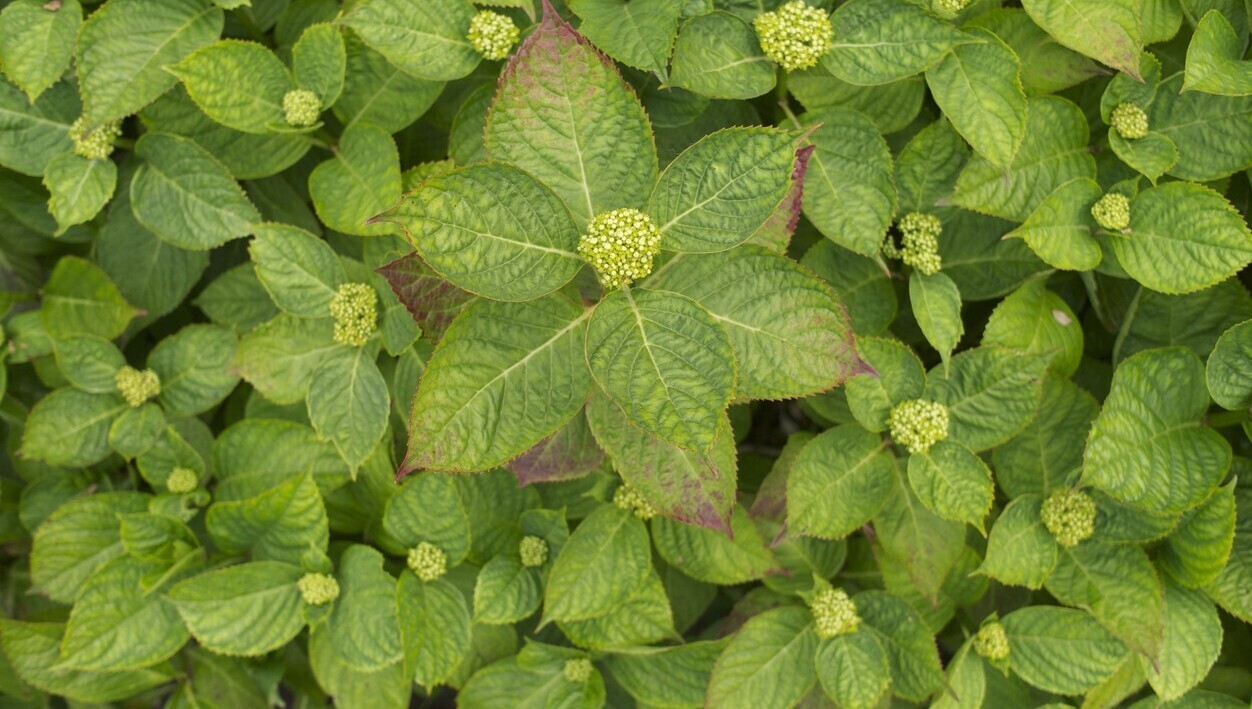
A hydrangea plant. File picture
I’m very sorry to hear that your lovely efforts to commemorate your wife have come up against a few obstacles. From what you’ve described, it sounds like the problem with your hydrangea plants is probably being caused by the larvae of tortrix moths.
Two species in particular can be found in Irish gardens, one of which is known as the carnation tortrix moth (Cacoecimorpha pronubana) and the other as the light brown apple moth (Epiphyas postvittana).
Both moths appear in their larval stage between late spring and early autumn as small green caterpillars on the foliage of affected plants, weaving silky white, protective webs, which they use to roll and bind the leaves together.
While these caterpillars are unlikely to cause lasting harm to your hydrangeas unless it’s a very bad infestation, the affected plants can certainly look unsightly.
The good news, however, is that yours is a deciduous variety, which naturally drops its leaves in autumn, so the problem will probably resolve itself. But to reduce the chances of it recurring, collect any fallen leaves from around the plants and pick off any dead ones that remain on the stems before bagging and binning them.
Bear in mind also that containerised plants are naturally much more susceptible to pests and diseases than plants growing in the ground as their root systems are far more constrained. Adding to this is their greater exposure to extremes of heat and cold, plus the likelihood that they’ll suffer at least occasionally from insufficient watering.
Given this year’s repeated heatwaves and near-droughts, it’s probable that your container-grown hydrangea plants were at times under a lot of stress, leaving them especially vulnerable to attack.
To counter these kinds of challenges, make sure to give them generous-sized containers to help cushion their root balls against temperature extremes. To reduce the risk of them drying out, use a John Innes-based compost and place a tray beneath each pot in spring to act as an additional reservoir of water in times of need.
An annual organic mulch around the base of the plants plus a top dressing of organic slow-release fertiliser in spring will also help to keep them healthy and happy.
Lastly, keep a close eye on your plants next year for signs of new infestations and handpick and then squash any caterpillars that you find. Very bad infestations can be managed using products such as Xentari, which contain Bacillus thuringiensis, a naturally occurring soil bacterium that will kill the caterpillars.

BLACK FRIDAY
Already a subscriber? Sign in

CONNECT WITH US TODAY



Be the first to know the latest news and updates