Inside the living space of the woman who shows homeowners how to choose artwork
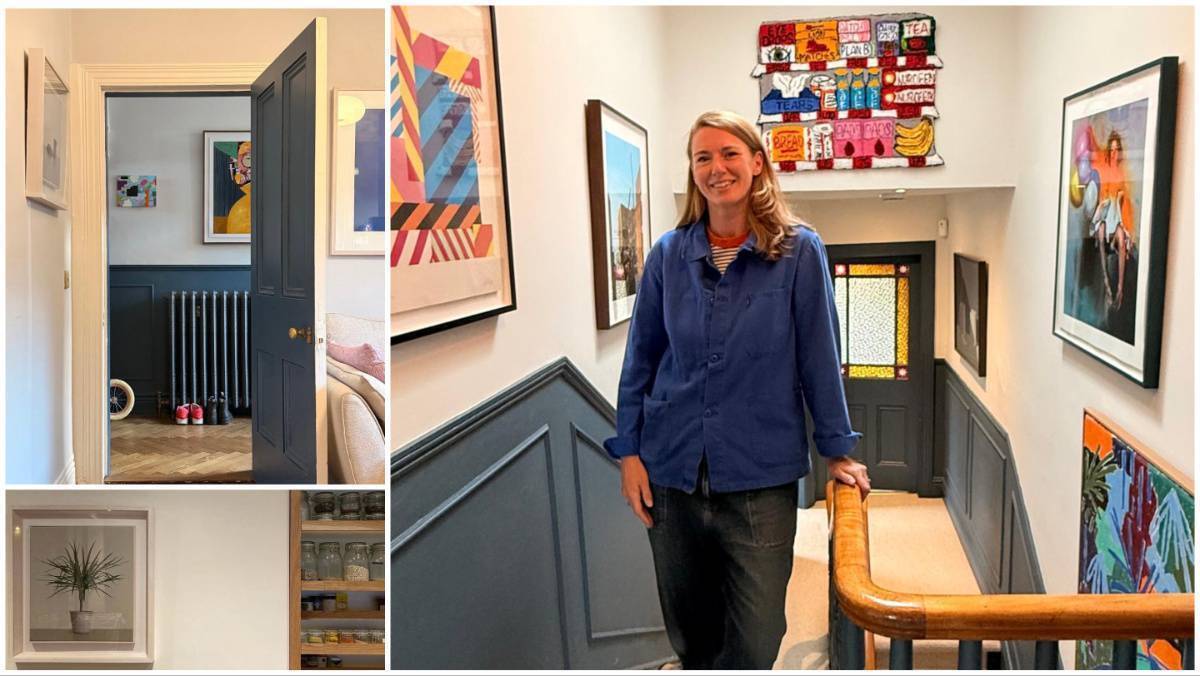
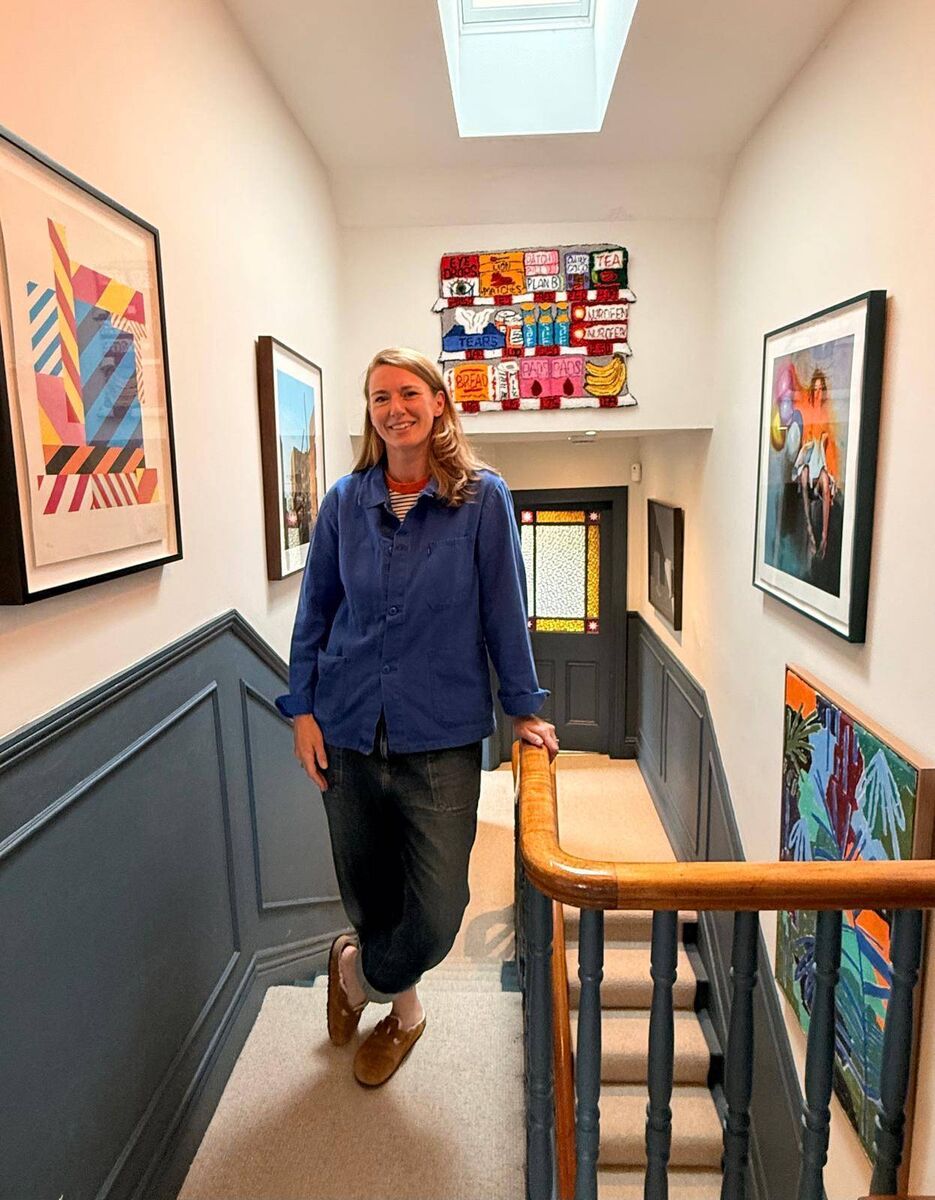
Rachel Earley at her art-filled home.
I know nothing about art. I could not tell you who is collectible or what is worth anything, and I have never looked into it enough to care.
What I do have is a house full of it. Prints, photographs, a couple of originals, bits picked up on holidays, and a stack underneath my dining bench that I rotate through regularly because I don’t have enough wall space to hang it all at once.
Galleries are a different story. I do enjoy a slow browse with my hands behind my back and a knowledgeable expression plastered on my face, and even the odd chin scratch for effect, but I really don’t know what I’m looking at.
I have written here before about the rules for hanging art: The eye-level centre point, the 60-to-70% of wall space, because those rules are easy to follow when you already have something to hang. The hard part is building the collection.
Not so if you talk to my friend Rachel Earley, who is significantly better at this than I am. Rachel has just set up Dado Curate, a curation and consulting service helping homeowners buy art for their own homes, and she comes to the field with an unfair advantage.
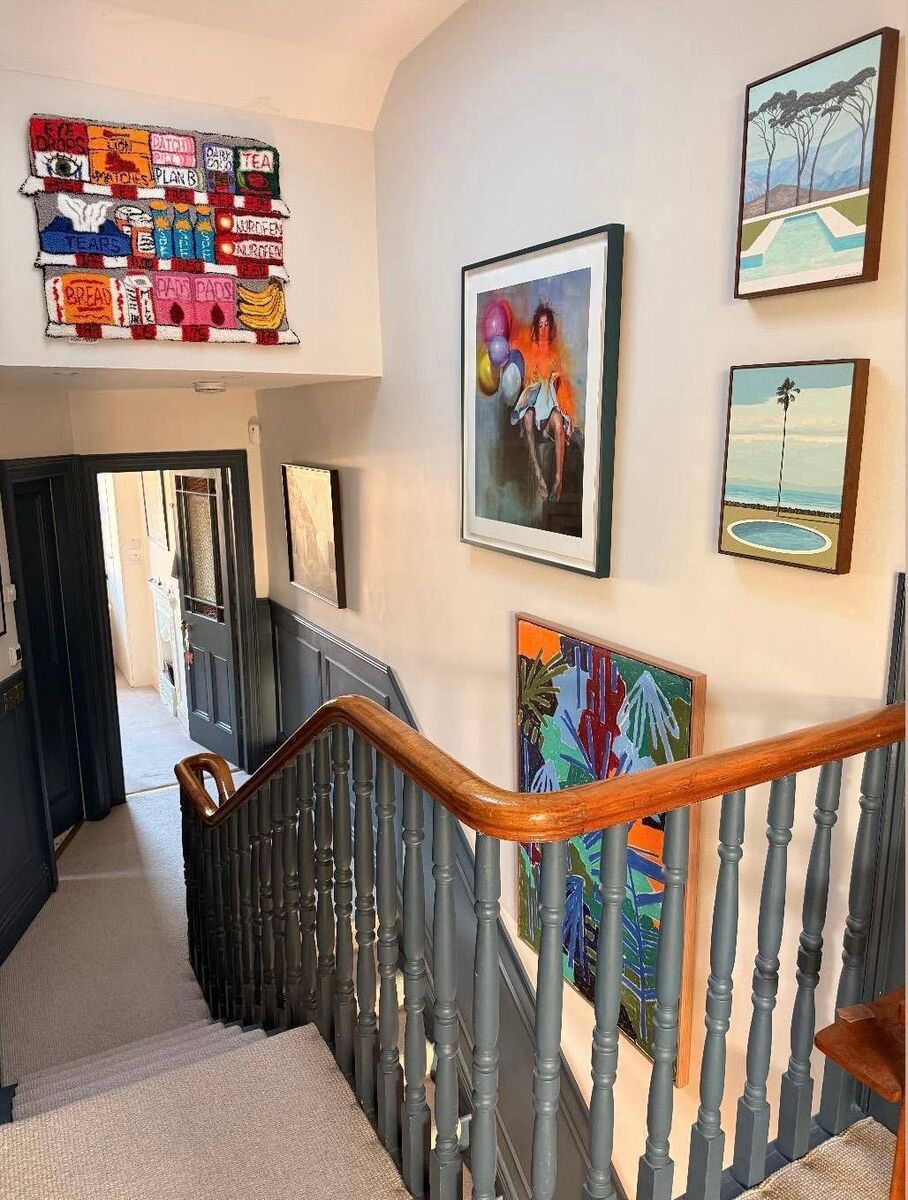
She grew up in it. "I was very lucky to grow up in a home surrounded by art, because my parents were avid collectors," she says. "I spent a lot of years being marched around galleries and shows and just innately grew a real love for it."
There are artists in the family too. Friends (including me) would often ask her the same questions. Where do you get your art? How do you know what to buy? How do you have the confidence to pull the trigger? "I just thought, there's clearly a gap in this market." And right she was.
"There is inherently a perception that the art world is an intimidating place that can be cliquey or judgmental or pretentious," she says. "But it doesn't have to be like that." She thinks it is opening up, and points to podcasts like Talk Art as evidence.
The real trouble, as she sees it, is that we approach art as though there is a correct answer to be found. Is this the right artist? Will it hold its value? "People feel like they have to know what the right thing to buy is, when actually you need to be led by your own taste."
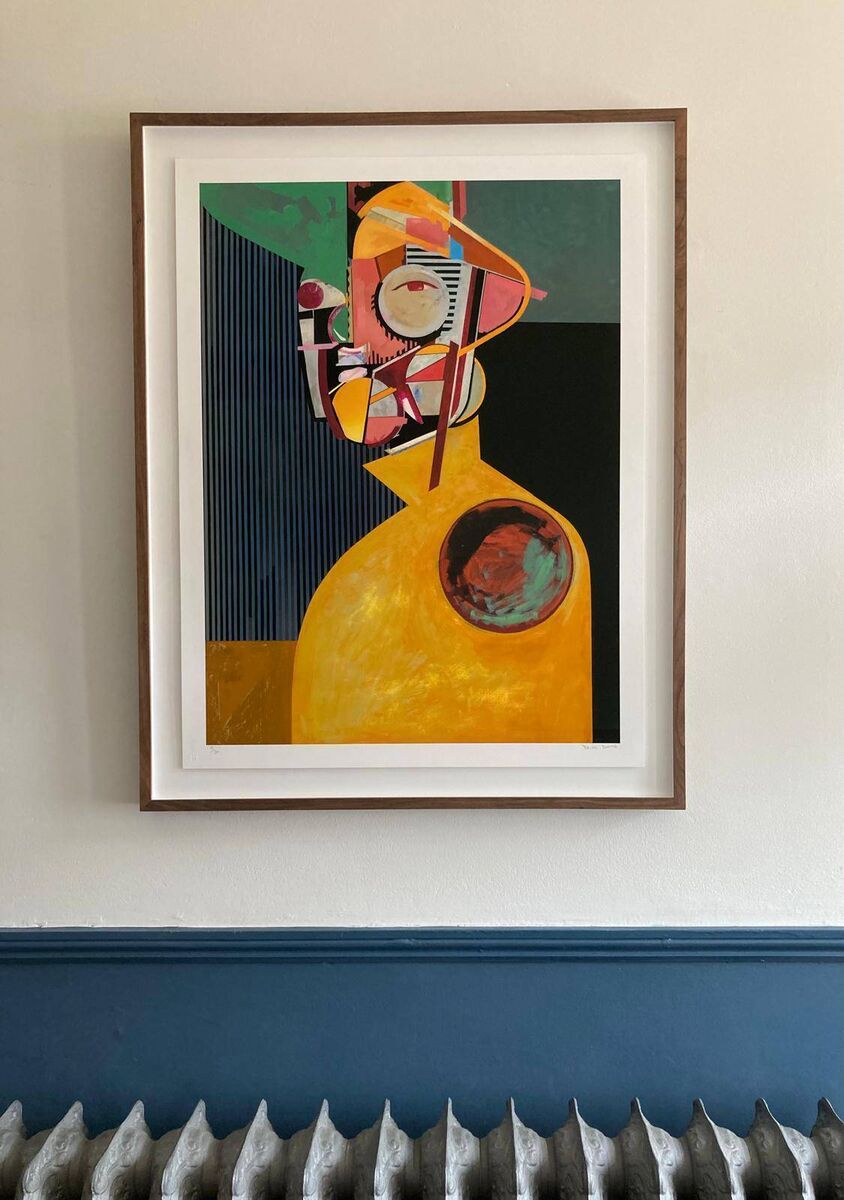
The best advice she ever got came from her mother. "Buy what you like, not what you think is going to make money, because you have to live with that on your walls."
Which was a relief to hear, as it happens to be what I have been doing for 20 years.
If you are staring at a blank wall, and plenty of people have been for years, Rachel's advice is not to try to “solve the wall”.
"If you haven't bought any art before, start small, and buy pieces that don't have the pressure of trying to fill a specific space," she says. "Then you start to understand the type of art you like and the artists that you like."
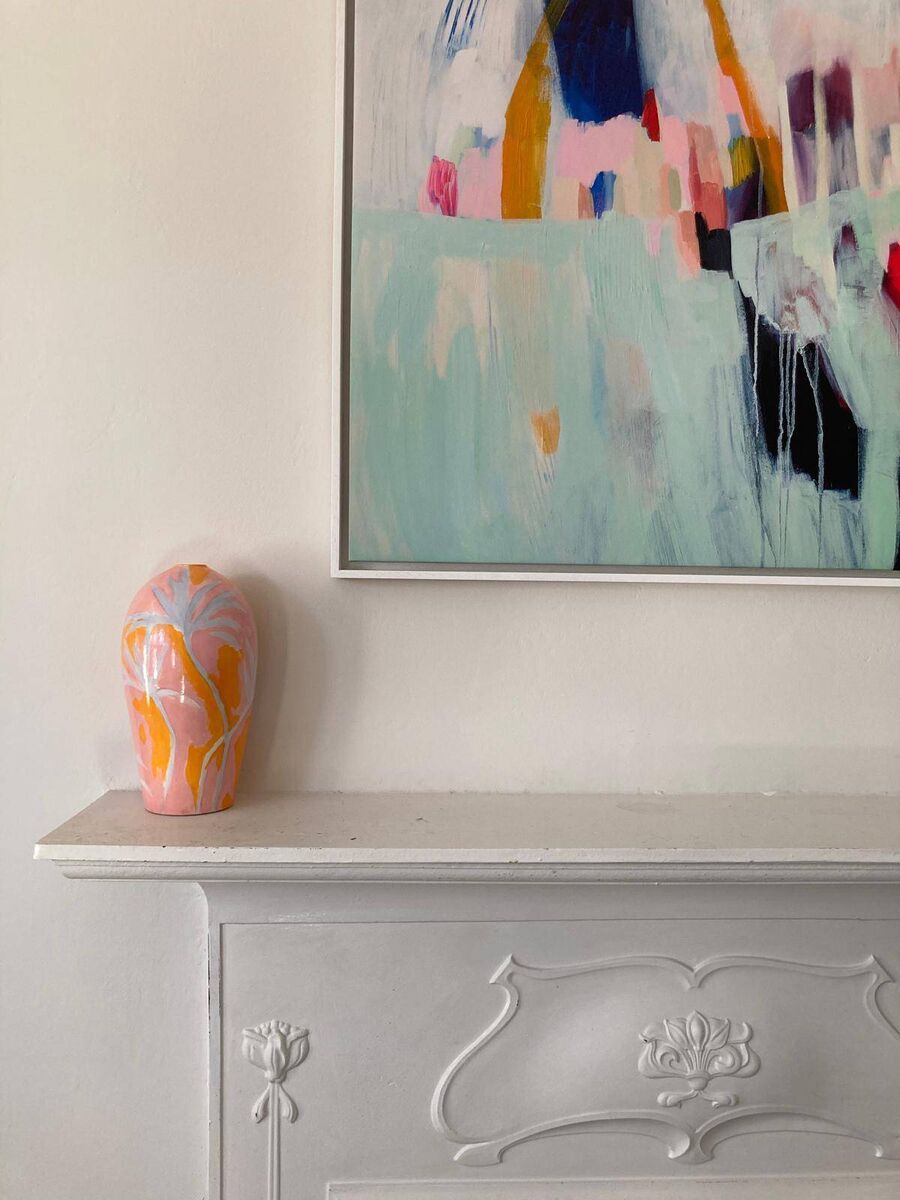
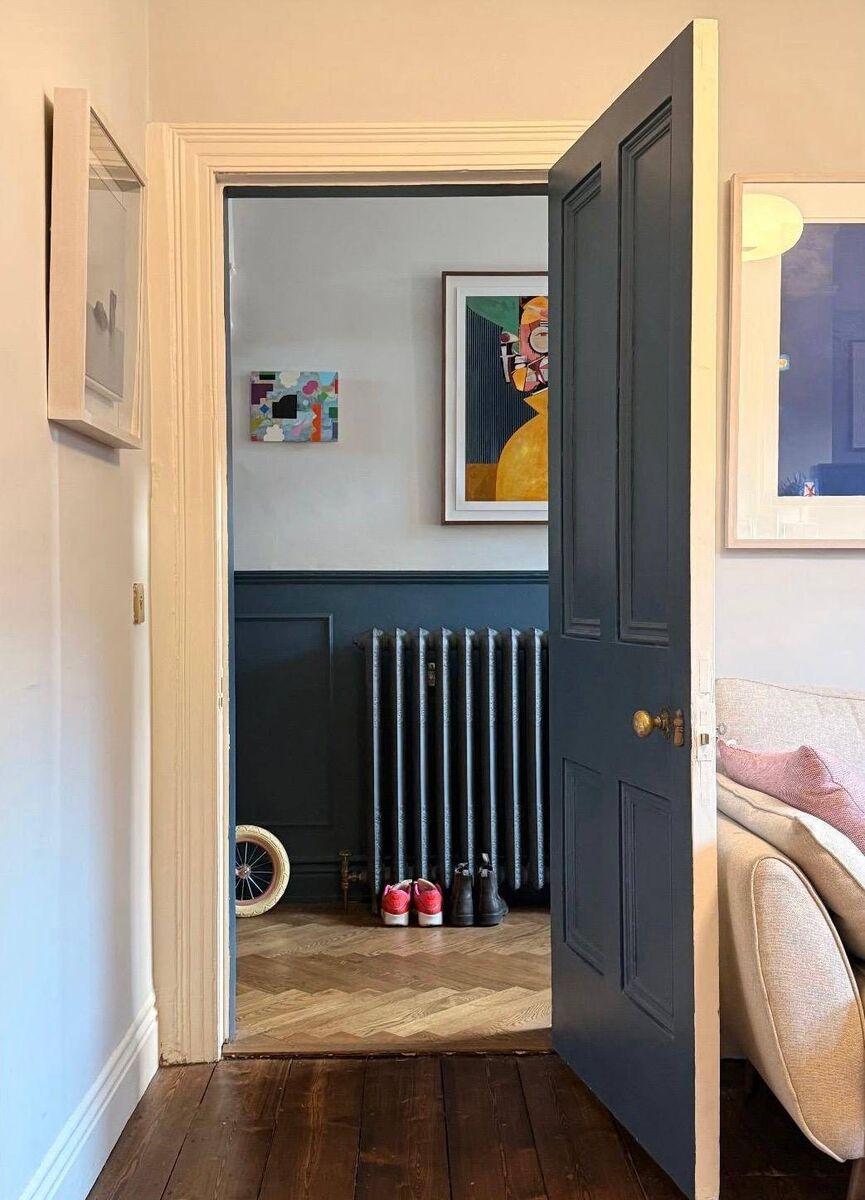
After that, the room does much of the deciding. She has one large piece above her own bed, because she wants the bedroom uncluttered, and a full gallery wall in the sitting room. "It's about what feels right in the room rather than a one-size-fits-all approach."
And nothing is permanent. "Holes in the wall can be filled in, and you can add another nail to hang another painting."
Rachel teaches every client how to understand their own taste by having them fill out an online form before they ever speak.
She asks them to describe their home aesthetic, share images of art they like — muted or bold, abstract or figurative? — and which spaces they are filling. (I am a great believer in a good questionnaire, as anyone who has ever booked a consultation with me will know!)
One recent client had a real affinity with the north of England, where he was born, so Rachel went looking for up-and-coming artists from up there. "You lead them to choose the art that they want. You don't have to always choose it for them."
This was the question I really wanted answered, having a horror of homes that look too matchy-matchy. "The art doesn't have to match, but it does need to speak to each other," says Rachel. That might be a subtle colour reflected from one piece to another, or a similar texture.
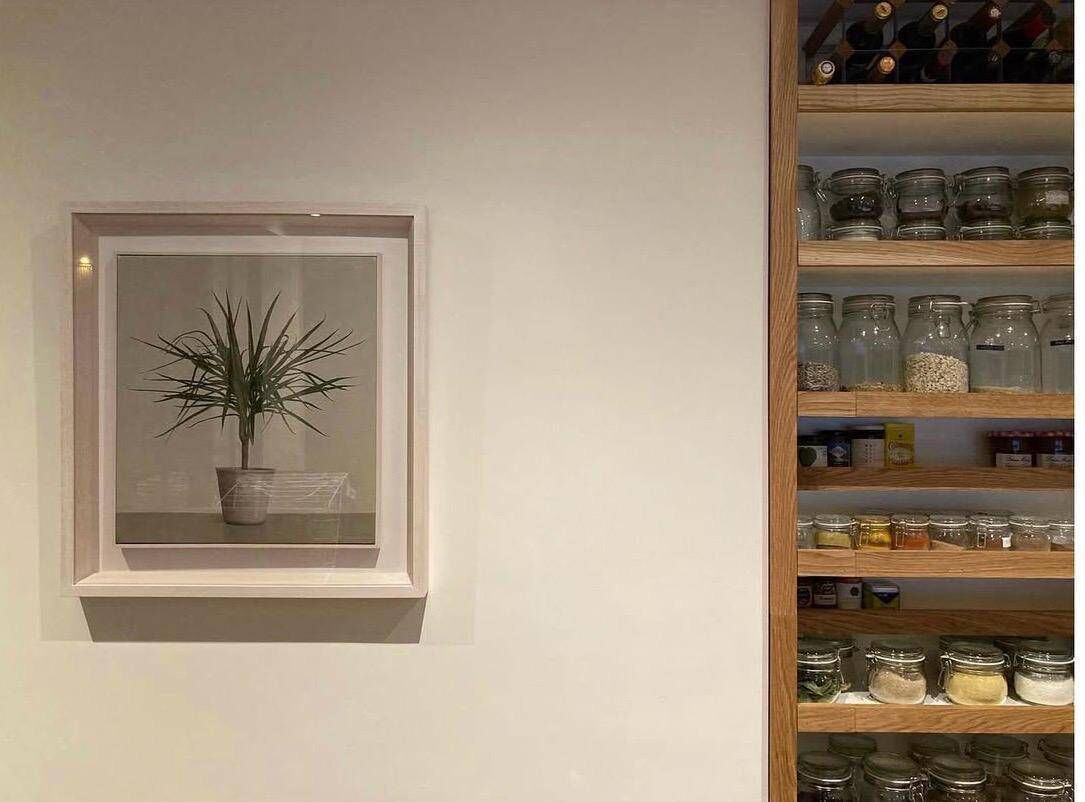
Her kitchen has green cupboards and wooden floors and looks out onto the garden, so the art in there leans into that nature aesthetic.
Another client had a plain kitchen and wanted something bold, so Rachel found her a big, colourful piece to go over the dining table. "It's not just about the art complementing each other, it's about the art complementing the room that it's in," she adds.
"Absolutely not," she says, before I have finished the question.
Rachel was told early on to start with prints, because they were more affordable and allowed her to build an understanding of what she liked. When she had cut her teeth on prints and the time was right, she pushed the budget to purchase an original by an artist she had followed for years.
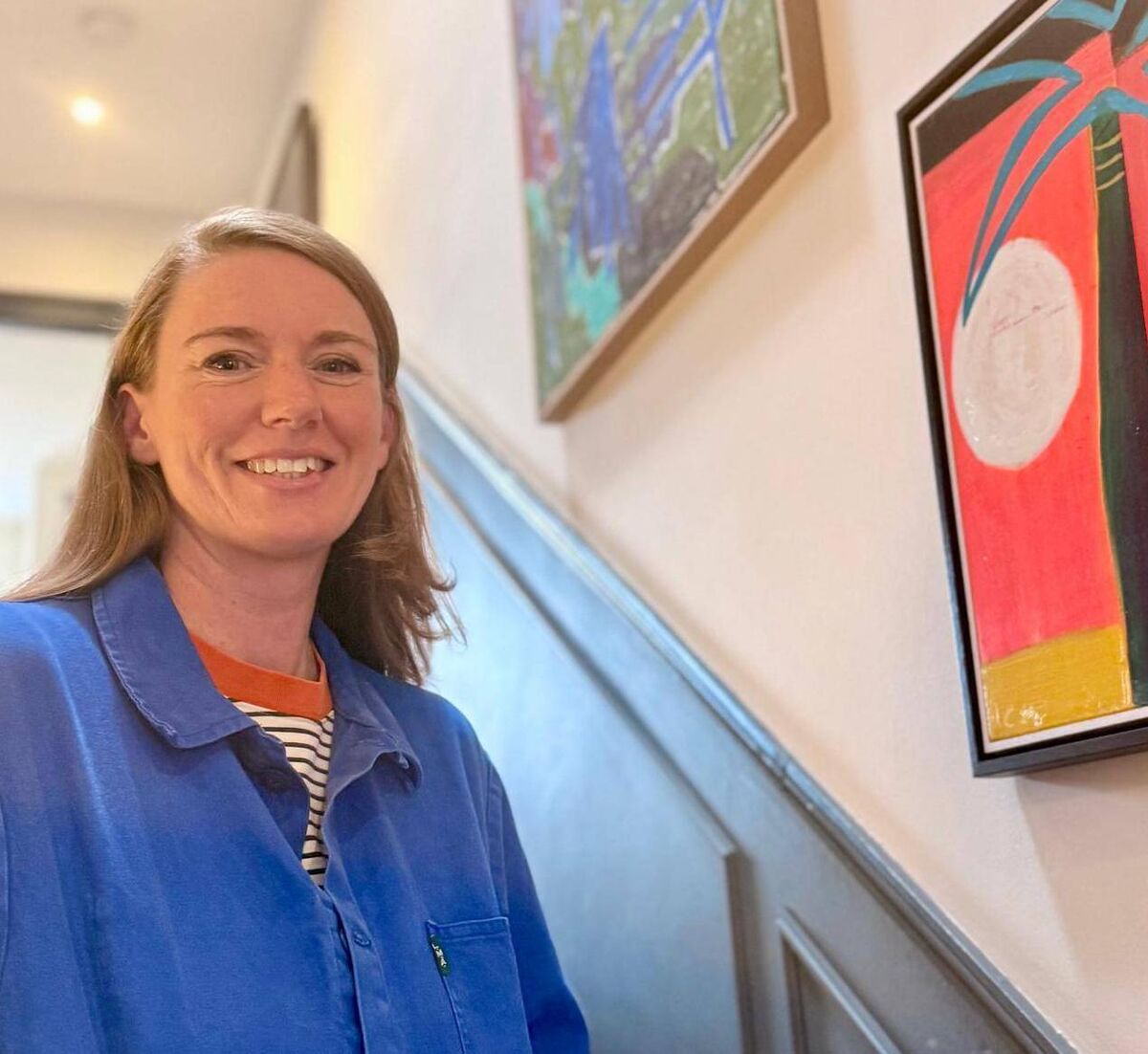
Her house is now a mix of prints, paintings, sculpture, photography, and family pieces.
"Fill your wall with pieces you love, because that's where the real value is."
The first is assuming expensive means good. "It does not," she says flatly. "Do your research. See what an artist's work has gone for recently, and go with a reputable gallery."
The second is one that novice auction-goers often easily make. At auction, the hammer price is not the final price. Commission is added on top, so establish what it is before you raise your hand and empty your bank account.
The third concerns commissioning work from an artist. Let the artist lead. "Pushing them down an avenue that isn't natural to them will result in a piece that neither you nor they are happy with."
Be as conscious of the white space around a piece as you are of the piece itself.
Give it breathing room and resist clustering things too tightly (which is advice I need more than most, having a queue of frames looking for a home).
Watch the orientation too. One client had a lovely portrait-format piece destined for a big wall, and once they looked at the space around it, it was plainly lost. A landscape piece went up instead and suited the space much better.
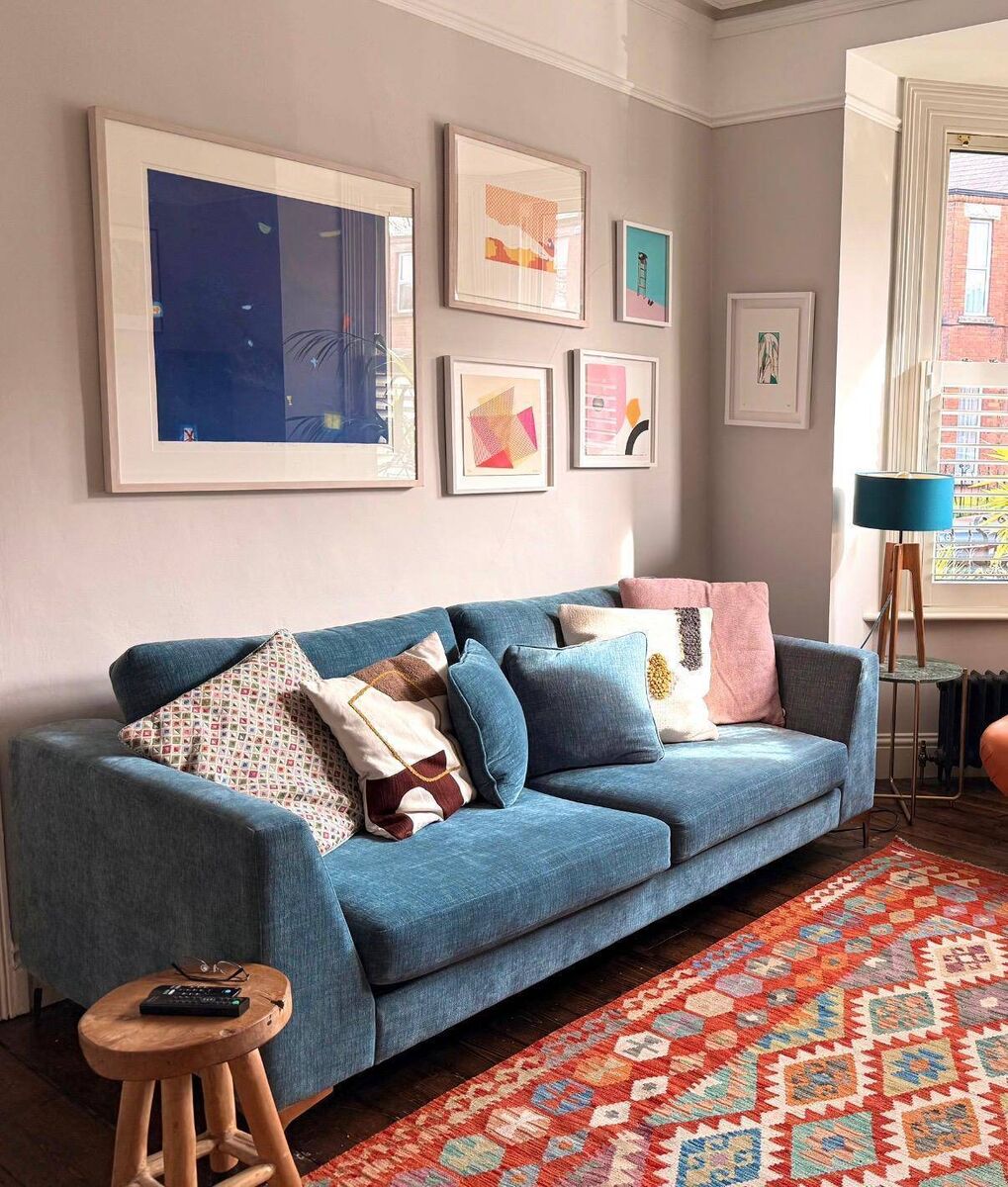
And hang things so they line up with what is around them — the door frames, the mantelpiece, your eye line.
Galleries first: SO Fine Art in the Powerscourt Townhouse, Graphic Studio in Temple Bar, and Outset Gallery in Galway. Then the group shows, which are far less intimidating.
The Art Mart runs periodically at Hen's Teeth in Dublin 8, Herman Wilkinson in Rathmines holds seasonal shows, and the Art Riddler supports emerging artists a couple of times a year.
The RHA summer exhibition is brilliant for the mix of emerging and established work, and the RDS Visual Art Awards is where she found one of her favourites, Asha Murray. Instagram is the other route, though Rachel advises it’s best used as a scrapbook.
"Don't rush into it," is her final word. "Art is something that you live with for a long time, so start by noticing what you're drawn to." Wander into local galleries with no pressure to buy anything.
"Art collecting is a relationship, not a transaction. Your tastes will become more specific and more confident and more personal over time."
I like this advice enormously. If you still feel intimidated or unsure, and you’re keen to be exposed to a world of new art and artists that are personalised to your specific taste and home, you can find Rachel on Instagram @dado.curate and send her a message to book a consultation.
CONNECT WITH US TODAY



Be the first to know the latest news and updates