Peter Dowdall: What to do in the garden before setting off on holiday
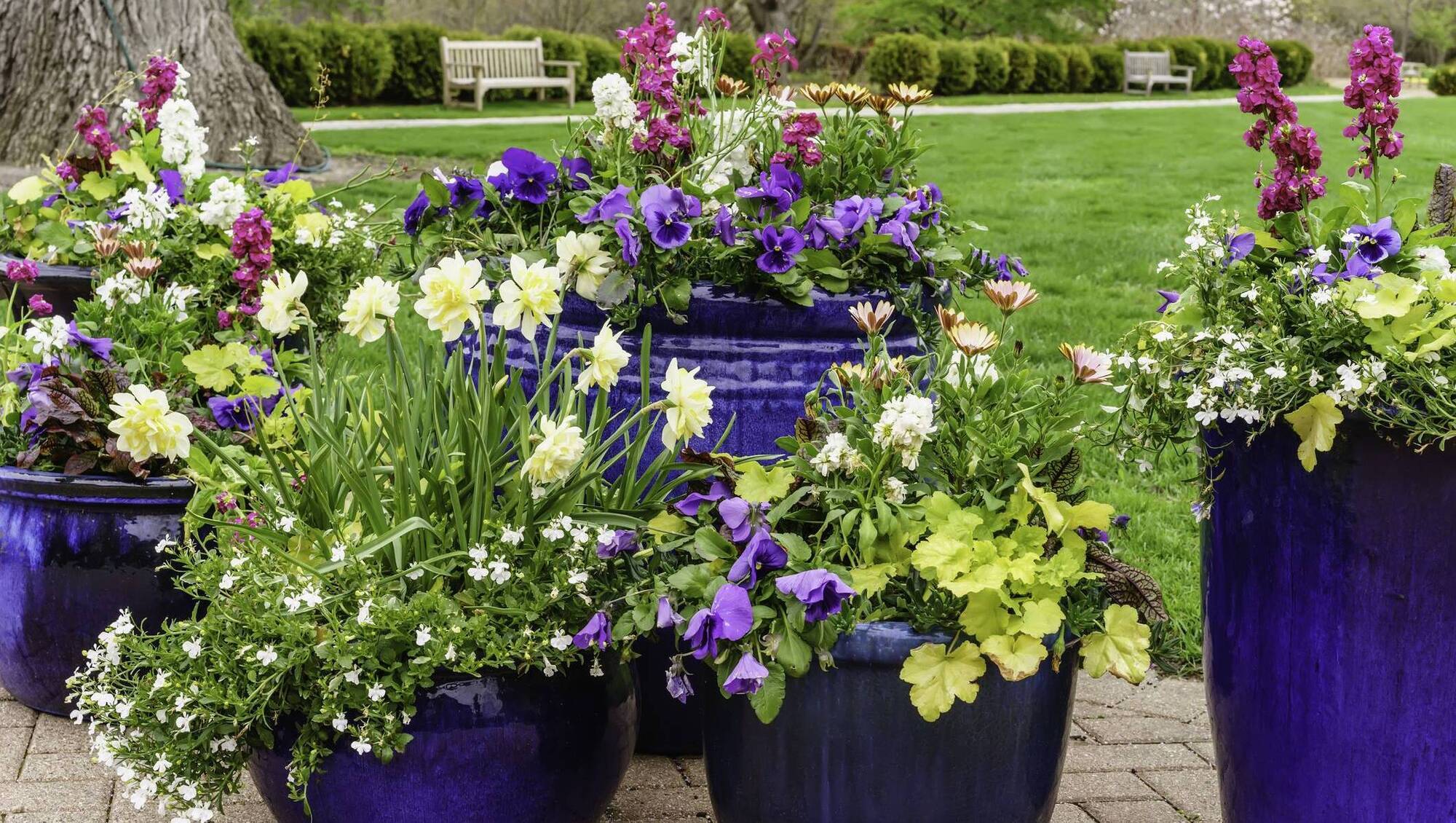
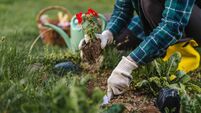
Containers need special attention because they are always more vulnerable than plants in the ground, says Peter Dowdall. File picture
There are few things more annoying than leaving the garden looking lovely in July and coming home a week or two later to find it has either dried out, flopped over, gone to seed or turned into something that looks as if nobody has lived there for months.
A garden can change a lot in ten days, especially during July, as growth is happening at a pace.
The good news is that there are a few jobs that you can do before you leave that can make a big difference.
Give the lawn a cut before you go, but do not scalp it. Cutting too tightly in July, especially in dry weather, puts extra stress on the grass and exposes the soil to more heat and evaporation. A slightly higher cut will keep the lawn looking reasonably tidy while also helping it hold moisture.
You do not need to weed every inch of the garden before leaving. Focus on the areas where weeds are close to setting seed, where they are competing with young plants, and where they are growing in gravel, paths, veg beds or newly planted borders. One weed allowed to seed in July can become a lot of weeding later. Pulling or hoeing the worst offenders before you go is time well spent, but before you remove them, ask yourself if it is necessary. Are they actually unpleasant to look at or a nuisance, or is it just that that’s the way we’ve always looked at them? If they don’t bother you, then leave them as they are, for they are also playing their part in the tapestry.
If you have an automatic watering system in place in the garden, or a friendly neighbour or family member who will be happy to come in and water when and where necessary, then you can relax in case of a period of hot, dry weather.
However, most established plants in the ground are often more resilient than we give them credit for, especially where the soil is healthy and has been improved with organic matter. Good soil holds moisture, and soil which has been mulched holds it even better. If you have compost, leaf mould, bark mulch, well-rotted manure or another suitable organic mulch, use it around your plants, and this will help to reduce evaporation, keep roots cooler and protect the soil surface from baking hard.
Mulching and adding organic matter to the soil like this is particularly important for new plants, as it helps them establish, which is important because they will take time to develop root systems sufficient to draw their own water from the soil during periods of drought.
Containers need special attention because they are always more vulnerable than plants in the ground. A pot has a limited amount of compost, and that compost can dry out very quickly in July, especially in full sun or wind. Before you go away, water pots thoroughly. That may mean watering once, waiting a few minutes, and watering again so the compost is properly rehydrated rather than just wet on the surface.
Move pots out of the full blast of midday sun if you can. They do not need to be put into deep shade, but a lightly shaded or slightly sheltered spot can make a huge difference. Grouping containers also helps, as pots standing alone dry out faster.
You can also mulch the surface of larger pots with bark, grit or compost. Hanging baskets are the hardest of all to leave because they dry so quickly. If nobody is available to water them, consider taking them down and placing them in a more sheltered, shaded spot while you are away.
Deadhead roses, perennials and bedding before you leave. This is not just about neatness. Deadheading stops the plant from putting energy into seed production and encourages it to keep flowering. Sweet peas should be picked hard before you go because, if they are left to set seed, they often slow down or stop flowering.
The same applies in the vegetable garden. Pick anything ready, and be ruthless with crops that are close. Courgettes, beans, peas, cucumbers, tomatoes, soft fruit and salad crops can all grow quickly in July. A small courgette today may be enormous by the time you get home. Harvest ripe produce before you leave and give away anything you will not use. It is far better than coming back to overgrown crops and exhausted plants.
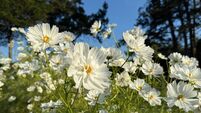
Staking is another job worth doing before a holiday. Check dahlias, delphiniums, tall salvias, cosmos, sunflowers, tomatoes, beans and any floppy perennials. Put supports in before they need it, as it is always easier to prevent a plant from collapsing than to try to repair it afterwards.
I always love a reason to visit West Cork, and this week, I will be doubling it up with a visit to one of the finest plant-focused garden centres in the region. On Thursday, July 30, at 1pm, I will be giving a talk in Deelish Garden Centre on How to Get the Best Out of the Plants in Your Garden. I will be showing some design tips on how to work plants together to create your desired effect, and also to see which plants work hardest in terms of promoting and sustaining a good natural balance. Tickets are available in advance and on the day from Deelish Garden Centre, see Deelish.ie.
- Got a gardening question for Peter Dowdall? Email gardenquestions@examiner.ie

CONNECT WITH US TODAY



Be the first to know the latest news and updates