A homeowner's guide to simple home security in Ireland
It's worth getting professional advice if you want insurance-grade certification - which matters more than people realise.
I should start with a disclaimer: I am not a security expert. I'm just a homeowner. And I think that matters, because home security is one of those topics where the options can become overwhelming very quickly.
The minute you start looking into it, you're hit with a wall of terminology - PIR sensors, professional monitoring, camera zones, app integrations, battery backups, subscription plans - more acronyms than any normal person should have to wade through just to feel safe in their own home.
Most of us are not trying to turn our houses into fortified compounds. We just want to know the vulnerable points are covered, that whatever system we put in place is simple enough that we'll actually use it, and that we're not paying for layers of complexity we neither need nor understand. So here is a homeowner's guide to approaching home security without losing the run of yourself in the process.
This is the step most people skip, and it's the most valuable one: start with your own home and how you actually live in it.
Take a rough sketch of your home - even a quick hand-drawn floor plan - and mark every external door, every accessible window, any side passages or blind spots, and the internal spaces where you'd want to detect movement, like hallways and landings. From there, you can start to think about what each point actually needs. Doors and accessible windows or openings call for a contact sensor. Some rooms may need a motion sensor such as entranceways or landings. It’s very common now to have cameras, internal and external. The rule of thumb is to point one at entrance points (e.g. front and back door), and you can buy internal cameras too that will let you check if anyone is inside your home. Dark areas such as side alleys or back gardens should have motion-activated floodlights.
This step is also worth doing now if you’re in the middle of a renovation. If walls are open, it's worth running cabling for cameras or wired alarm points even if the devices themselves come later.
A good home security setup should be built up in a series of layers that work specifically for your home and your life.
The first layer is physical deterrence: solid locks, a secure side gate, exterior lighting, locked windows, lights on timers, and visible signs that the property has some form of protection. This layer is underrated. A well-lit exterior with a visible alarm box goes a long way before anything else is needed.
The second layer is detection - alarms and sensors that register when something is wrong. This includes door and window contact sensors, motion sensors and/or cameras in hallways and circulation spaces, and vibration sensors on particularly vulnerable glazing. If you want to go further, smoke, heat, and water-leak sensors can often be integrated into the same system, which is a useful bonus.
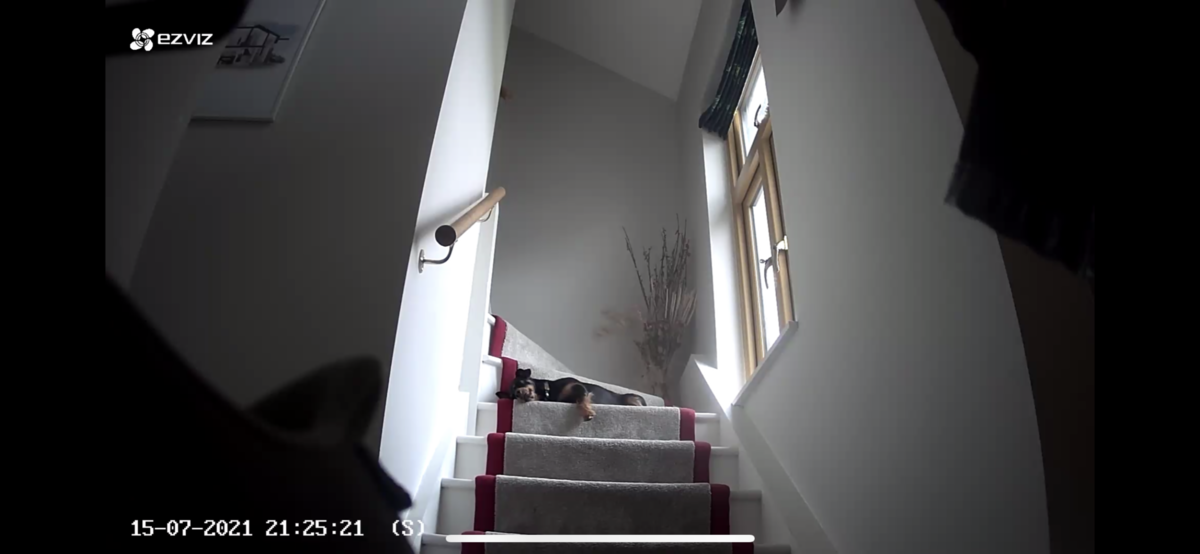
The third layer is visibility. This is where cameras and video doorbells come in. It's worth being realistic about what cameras actually do: they're often less about prevention and more about confidence. Checking whether a delivery has been left at the door. Seeing what triggered an alert at 11pm so that you can rule out the cat before your imagination does its worst. Reviewing footage if something does happen. They're valuable for all of those things - just don't expect cameras alone to be the whole solution.
The fourth layer is response: sirens, push notifications to your phone, or professional monitoring that escalates on your behalf.
This is where many people get stuck, and there is genuinely no single right answer.
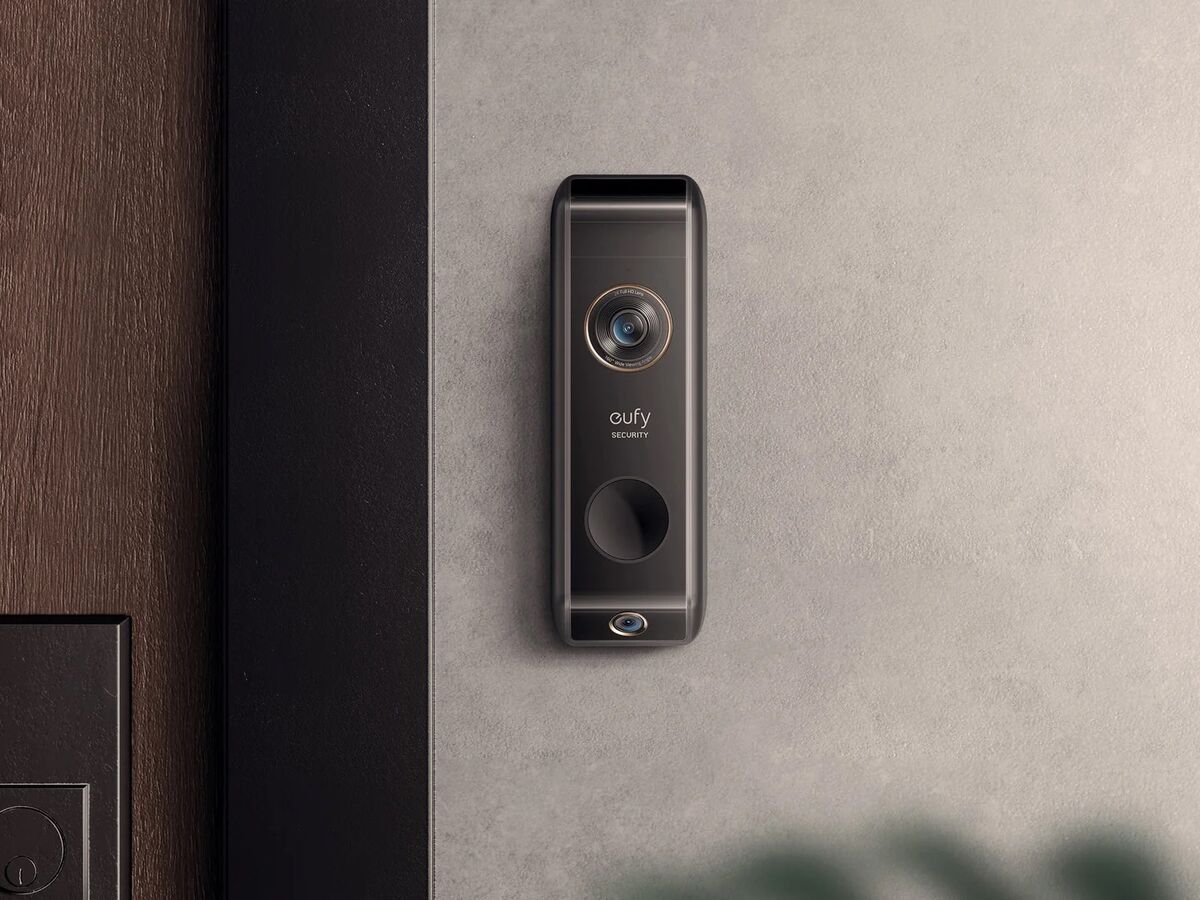
The newer generation of smart-home alarm systems - brands like Ring or Eufy - are appealing because they're flexible, app-based, and relatively straightforward to install. They suit people who want app alerts, video doorbells, and cameras in one ecosystem, and the ability to expand the system gradually without committing to a large upfront installation. They're also easier to self-install, which keeps costs down.
The trade-off is that these systems rely on good Wi-Fi coverage, regular battery maintenance, and your own ability to respond when something pings on your phone at an inconvenient moment. They put the decision-making back on you.
Read More
A professionally monitored alarm works differently. If it triggers, a monitoring centre verifies the alert and contacts you (or your named contacts) - and depending on the service level and certification, can escalate to emergency services. For people who travel regularly, have a second property, or simply don't want the mental load of being the first responder, this additional layer of reassurance can be worth every penny.
The question to ask yourself is who do I want to be notified first when something actually happens?
Self-install systems have improved enormously and make good sense for many homes, particularly smaller houses and apartments with straightforward layouts. They're faster to deploy and easy to expand as your needs change. But they do require a level of technical proficiency plus time to set up.
Professional installation is definitely worth considering if your home has multiple floors or extensions, when Wi-Fi coverage is patchy in certain areas, when you have several access points to cover, when you want wired external cameras, or when the property includes detached buildings. It's also worth getting professional advice if you want insurance-grade certification - which matters more than people realise. Some home insurers require a monitored or certified alarm as a condition of cover - but beware that under these policies some will not pay out on a burglary claim if your alarm wasn't set. It is worth checking your policy before you assume you're covered.
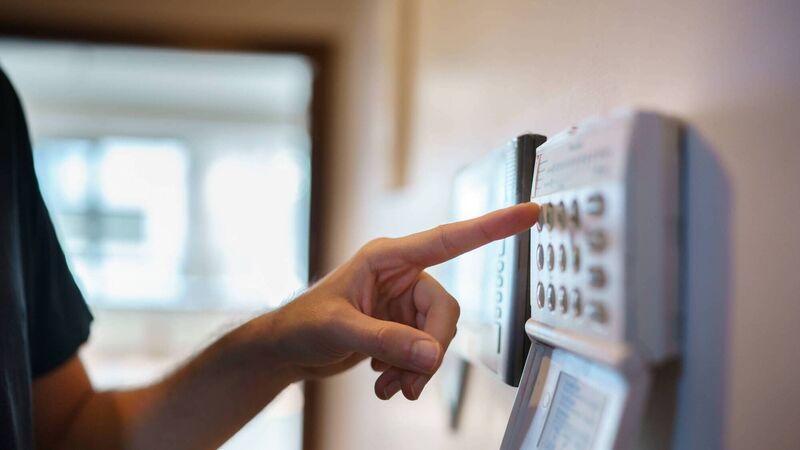
The most sophisticated system in the world is useless if it's too complicated to arm before bed, or if you rarely look at your phone and have all your notifications turned off. This is where the user experience matters far more than any spec sheet. Can every adult in the house operate it confidently? Is there a simple night mode? Will a visiting parent or a house-sitter be able to manage it without a ten-minute tutorial? If the alarm goes off, will someone actually respond to it? Be realistic - if you’re never going to use an app, just install a keypad.
A few things that are worth considering that often get overlooked: package theft is increasingly common and a video doorbell addresses this neatly, both as a deterrent and as evidence. Gardens, sheds, and side passages are weak points that cameras and motion-activated lighting handle well - and these are the spots burglars tend to favour, precisely because nobody is looking. Smart lighting timers are a simple and inexpensive way to make an empty house look occupied when you're away. And if you're planning a holiday or leaving a second property unattended for a stretch, it's worth thinking about whether your current setup is adequate for that scenario, not just for a typical weeknight.
One final note on cameras inside the home: think carefully about where you place them. Cameras in living areas or bedrooms are a privacy consideration that extends to everyone in the household, including children, guests, and anyone who works in your home.


CONNECT WITH US TODAY



Be the first to know the latest news and updates