My kitchen tiles are an awful colour. How can I paint over them?
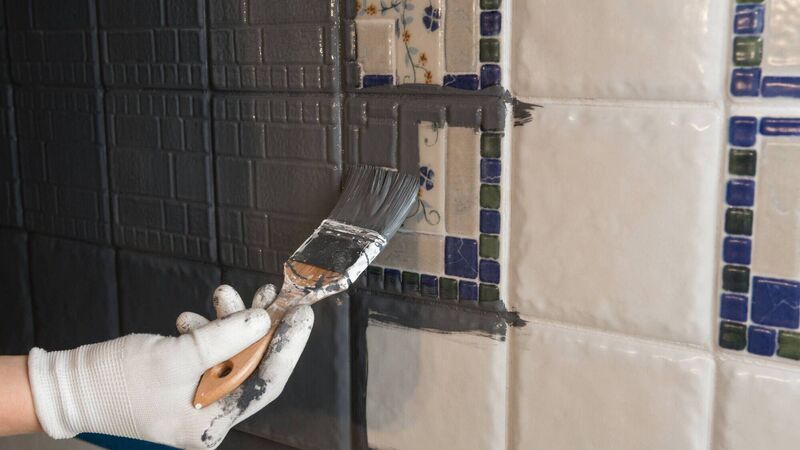
Painting wall tile is doable. Just follow the preparation for your chosen paint to the letter and take your time. Ensure you test for colour and finish in various light before starting on a similar piece of spare tile. Picture: iStock
I feel your pain. I’ve never been a fan of painting wall tile but I was recently forced into having a go rather than ripping out a job gone wrong. The kitchen tiles I paid to have put in were fine but the grout somehow dried patchy and cured to a mottled, nasty colour.
Painting tile might seem like a great and quick fix for these sorts of minor disasters and for mere changes of mind but there are a few caveats. Since we’re painting the tile, we are also painting the grout. This eliminates the aesthetic power of using various grout colours to complement and even contrast with the tile, making them visually sit up. Unless the tile is rectified and shows little to no grout gaps, the final finish will scream ‘desperate renovation’.
Read More
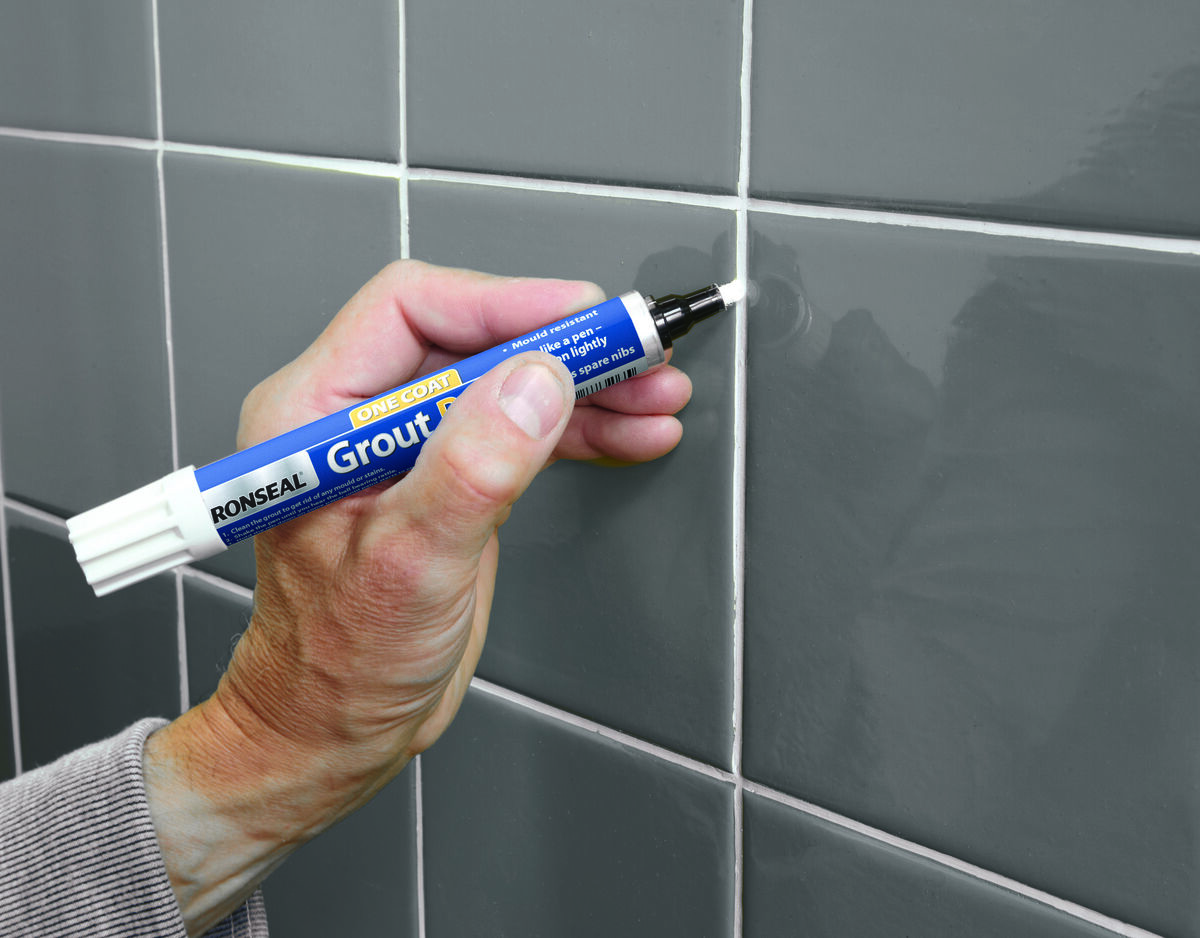
There are two solutions here. The first is easier — use a highly specific grout pen in white or grey. We paint the tile and then draw the grout back (the only colours these pens come in are white and shades of grey). Second, we can take out the old grout, using a grout ripper or a Dremel tool, paint the tile, allow it the full time to dry according to the environmental conditions in the bathroom or kitchen, and then re-grout. This job will include de-glazing the newly painted tile of the cloudy muck created during the job. Ensure you allow the tile paint to cure completely to avoid damage to the new painted finish when grouting and cleaning off.
Ensure your tile surface is clean and dry, and in the kitchen look out for oily splatters that will spoil your finish. Sugar soap is very useful for taking off that accumulated veil of sticky dirt, and Dulux suggests hot water and detergent where needed.
Never paint over mould or limescale — use a fungicidal wash and trace lingering issues through your ventilation. Glossy tile can be lightly sanded to provide a slight “key” for the paint to adhere to. Some tile and tile paints do not require sanding but keep in mind that tiles are glazed, slippery, and not porous like plaster.
Check the specs. Rub off the grout lines with a stiff toothbrush. Be wary of lines of sealant at the tile edge, which once lifting could start peeling the adjoining tile paint that has dried over it. Where possible, remove and replace the flexible sealants when you’re finished. Before you start, use masking tape to protect the edges of adjoining materials such as baths, shower trays, and countertops.
To paint the tile, for simplicity use a dedicated tile paint, and mix thoroughly, including any activator provided. We’re applying a flexible sort of rubbery solution here, and most are self-priming. This does not mean there’s no preparation.
Finishes include matt, satin, and gloss (the hardest to successfully pull off).
Tile paint is not perfect — it can lift, and it certainly does not respond well to heavy scrubbing. We’re not getting into tile flooring here, which takes a lot of care and very robust sealing to survive a new application of floor paint. No matter what some grinning Instagram post (heavily edited) claims, please take a very good look at what you already have before starting that job. We’re never getting that new coat off.
Getting back to walls, don’t paint in a humid or cold room (under 10C) as this will interfere with drying times and could spoil your work.
Tile paint can be applied with a brush or roller but a final finish with a roller is ideal to spread the paint evenly.
The worst thing you can do here is to apply too thick a coat. Be patient, use two coats, and let each coat dry completely. Use a small brush to drive the paint into areas the roller has skimmed over.
Keep your roller and brushes wrapped in cling film to keep them ready for use one day to the next. To protect the finish, you can go that extra mile and apply a top coat.
Something like Rust-Oleum Clear Sealer (125ml, €9) will give the tile extra impact resistance and ensure a quick clean with a scrubby sponge doesn’t end in disaster with a dull, colour fade everywhere you swiped the tile down.
Tile paint will be tougher than a standard satin paint, and most manufacturers claim it is at least 10 times tougher.
Simplifying the job of gathering all those bits and pieces to refresh your bathroom tiles or kitchen backsplash, Rust-oleum offer a Wall Tile Paint Kit in all their available tile paint colours and three finishes, €66, stillorgandecor.ie. There’s Two Fussy Blokes 5mm smooth microfibre (roller) sleeves, a Fleetwood Pro-D synthetic paint brush, 750ml white spirits, Prodec low-tack precision-edge masking tape, and even a can opener.
If you’re painting a dark tile with a pale colour, you can expect to use additional coats.
Could you use chalk paint or ordinary emulsion? In theory, with a tile primer and a top coat, yes... but the results can be erratic, with less certainty in adhesion and the survival of the finish.
I would be happy for a painted tile to last three to four years.
When cleaning, err on the side of caution. This finish is not baked onto the tile. Try a soft sponge and mild detergents such as dish soap over bleach-based cleaners and abrasive scrubbers.


CONNECT WITH US TODAY



Be the first to know the latest news and updates