Peter Dowdall: Reconnect with nature and boost your wellbeing in the garden

'It isn’t just about tidying borders or sowing seeds; it’s deeper than that. After months of short days and damp air, we have been living at a remove from the natural world' 
Peter Dowdall: Reconnect with nature and boost your wellbeing in the garden

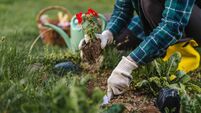
Spring offers us a chance to recharge our batteries in our room outside, says Peter Dowdall. File picture

By early March, most of us feel it, that low, persistent itch to get back outside.

It isn’t just about tidying borders or sowing seeds; it’s deeper than that. After months of short days and damp air, we have been living at a remove from the natural world. The most that we may see of our gardens is as we rush beneath hoods, hats and umbrellas from our car to the door. 

We don’t really disconnect ourselves consciously; it's more gradual as we mostly look at the garden through rain-streaked glass. We look out at it rather than stand within it, and by now, if we are honest, the internal battery is running low.

I think of it a bit like we ourselves are batteries, and through winter, that charge slowly drains because of less daylight and less time outdoors. We operate, but not at full capacity, and there’s a flatness that creeps in, mentally and physically.

March is when the charger gets plugged back in, when we treat ourselves to a natural recharge.

There is solid science behind this, but you don’t need a study to recognise the feeling. A short time outdoors lowers heart rate. Cortisol levels drop, attention steadies, the nervous system recalibrates, and whether we realise it or not, we begin to breathe differently again; the tension lifts.

There’s lots to do in the garden during March, particularly this year in my garden, as the amount of rain this winter has really prevented me from getting outside except during the shortest of windows, but before you reach for the secateurs or the spade, allow yourself to stand still.

Let the air move across your face, let the light fall on you and breathe it in, feel it recharge you.

There is also something intensely grounding about being physically present in a living system that continues regardless of our mood or workload.

As humans, we are of course intrinsically linked to the natural world, as part of the rich tapestry, but during winter, it is that disconnect which runs our battery down. Our gardens are the places that we can most obviously see and feel part of that tapestry once more.

Blackbirds and robins are about, defining territory and whose tree is whose. There are more birds out there, too but I am not knowledgeable enough to know what they are or exactly what they are doing, but I do stop to listen and to enjoy those sounds; again, I can feel it recharging. 

From a gardening perspective, this shows us that the ecosystem is reorganising itself once more, the worm is turning, getting ready for a new season. Those same birds are preparing to nest; they are looking for good spots to shelter away from predators and a healthy food supply. The more structure and diversity that your garden has, hedging, layered planting, and trees, the more of these beautiful sounds you will hear in March.

So before you begin cutting back grasses or planning new planting schemes, give yourself permission to simply bathe in the garden as it is. No agenda, no list, no improvement plan. This is a moment where things can actually wait til later.

Tasks

Once you do get to the jobs at hand, start with the very obvious: cut back ornamental grasses and any perennials you left standing for winter structure. My clamagrostis and molinias have been standing proud in their wintery hues for several months, but are now looking bedraggled. 

Now is the time to trim hydrangea bushes. File picture

Birds have taken what they need, and insects that overwintered inside have now moved on. It is time to cut them back before the new growth emerges and makes the job more difficult. I have been hoping to get out to this job for the last few weeks, but the rain keeps stopping me, and now I can see the fresh new shoots already 10cm-12cm above the ground, so it will have to get done this weekend, along with the dead heading and light pruning of Hydrangeas.

This is also the moment to edge beds and redefine borders. A sharp edge between lawn and soil instantly sharpens the whole garden and requires very little effort. It is one of the quickest ways to make a space feel and look cared for again.

If the ground is not waterlogged, lightly fork over bare soil to relieve compaction and allow air back in. Avoid heavy digging; a gentle approach is better, and a layer of compost or well-rotted manure spread over beds will feed the magical underground activity which happens in the soil just as it begins to accelerate.

Check stakes and ties on young trees. Winter winds may have loosened them. Straighten anything leaning before growth surges.

You can also sow hardy annuals now, under cover or in a cold frame. Sweet peas, calendula, and cornflowers sown now will repay with masses of blooms later in the year when the garden is running at full tilt.


Irish Examiner garden columnist Peter Dowdall. Picture: John Allen

x

More in this section

Revoiced

Newsletter

Sign up to the best reads of the week from irishexaminer.com selected just for you.

Cookie Policy Privacy Policy Brand Safety FAQ Help Contact Us Terms and Conditions

© Examiner Echo Group Limited