Sweep into action: How to spring-clean your home
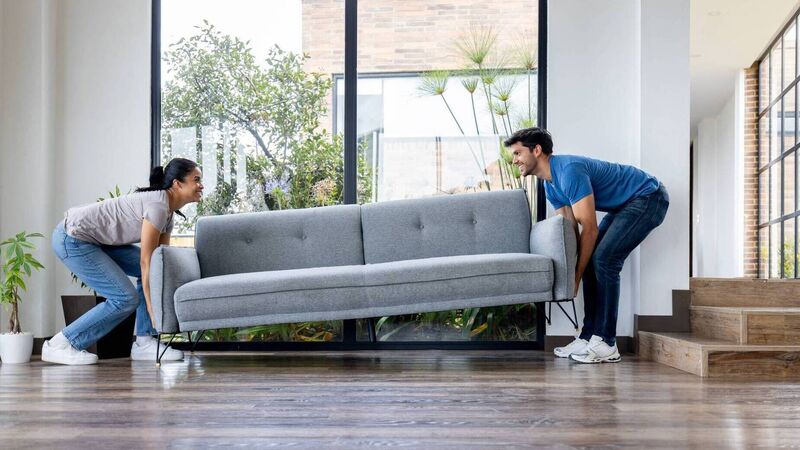
Spring is a good time to reimagine a room as you slide furniture around during cleaning. File pictures
Spring is a little more intense, a little more athletic. Standing there, the podcast purring, a trug swinging in one hand and the hoover pipe lodged under an elbow, it underlines why we should really keep on top of these jobs with more regular, monthly swats, bends, and spins.
Here are a few extra chores that mark out a spring blitz from a regular weekend clean, and some hacks to make it less miserable.
Few of us pay attention to the tracks of sliding doors, and the inside edges of the windows. Trampled by dirty footwear, sliders are often creaky and grotty by March. Keeping these rails and details clean will help them to move like silk and close more firmly. Take the soft brush of the vacuum or the crevice tool and get out the larger debris, before working with a soft toothbrush to flick out finer grot.
Using a bucket of hot water with a dash of washing-up liquid (do not combine bleach here — dangerous), use a small sponge to wipe over these areas including the top edge of any swing or bi-fold.
Slider hack? Set a small scrub sponge down across the rail, sponge down, and mark the tops of the rail profile upward with a pen. Slice these marks open about 5cm deep across the sponge with a sharp knife. Push onto the profile and run the sponge snuggly down the rail. Dry with a soft, non-snagging cloth. If the slider is sticking, dry a jet of WD-40 or Vaseline. Silicone and any lubricants do not fix broken or misaligned rollers. Schedule a repair with a reputable professional.
We never want our wood to be soaked during this clean, so here we’re going for a nice, hot, back-breaking damp-dust with the aid of two buckets. One contains hand hot water with a little dab of washing up liquid, the other is clear and will be used to cleanse the boards of any residue.
Wiping and rinsing will take off most of the dirt, just don’t wipe dirty mung back along flat matt paint edging the second-fix carpentry. If you’ve taken the decision to run your matt paint colour down over the boards — treat is as matt wall paint (gently).
Walls? Avoid wetting walls. Brush down, and spot clean.
Use your gardening kneeler when working low as these jobs are murder on the joints. Wrap a dryer sheet over your vacuum tool to lift dust and leave an anti-static coating on the skirting. A baking soda paste should be sufficient for most surface stains.
Most furniture has a gap here or there that allows dust bunnies, atrophied insects, and food particles to accumulate over time. This would include the kitchen units without kick boards, the sofa and other seating, dressers, beds and so on.
At least once a year, we should clean up, not least because a mouse could thrive for a month on a few toast crumbs and the build-up of potential allergens in our living spaces can have a knock-on effect on indoor air quality (IAQ).
Don’t attempt to move big, heavy pieces alone. Summon the troops and shift the furnishings out of position to do a thorough mop/vacuum and light cleanse of the area, including the hidden areas of the wall.
This might be the perfect time to reconsider seating and table placement with the whole room already upside down but do a sketch on paper or the PC before wrenching your spine in a failed shuffle.
With storage pieces, empty, declutter and wipe out the drawers, finishing with a drawer liner in heavy duty areas like the kitchen. Gliders can protect carpets and rugs from indents that can work through to the backing and will make your furniture much easier to coax about next time.
When cleaning the bed, the base and mattress should be shifted out of position, the whole area can be steamed, dried and the headboard cleaned too. Dust mites are ancient co-habitants, encouraged by warm, humid conditions.
In general, a mattress will contain around 10,000 of the little blighters together with a snow-storm of their droppings and biological human blots.
Cleaning the bed is a weekend/morning job, as we need a few hours for it to dry off. Strip the bed naked and toss any washable mattress cover into the machine (40C/60C). Sixty degrees Celsius is the appropriate washing temperature to disinfect cotton bed linen. Sprinkle the whole mattress over with baking soda, open the window wide.
You can have a quick cup of tea at this point as there’s a 30-minute wait for that non-toxic soda to sop up the muck. Now, go into attack mode with the python attachment and (a clean) upholstery attachment.
A hand-held machine is ideal for this job if it has sufficient watts to whip down into the fibres. Now, wind on your back-brace, and turn the mattress over, cleaning all sides. If you have a mattress topper, this should come off and receive just the same treatment. Do a thorough job at least twice a year and while heaving things around, investigate the mattress for signs of collapse including weakness at the edges and areas of hills and valleys that mean the springs are shot.
Your carpet is the quite likely the filthiest thing in your home, harbouring not only airborne rubbish that rises every time your feet whop down on its fibres, but wiped lightly with a stew of petrochemical and organic rubbish brought in on even the cleanest shoes. Every 12 to 18 months it’s a good idea to deep-clean your downstairs carpeting and stair runners at the very least.
If you are hiring an outside company to clean your carpets with steam or hot-water-extraction to get to the bottom of the pile, choose low moisture methods and green certified products (soaps, chemicals, and detergents) that are kinder to the environment. Read real customer reviews before buying in any machine.
Steaming soft upholstery is an excellent, chemical-free way to freshen mattresses, sofas and more. Always use the correct machine, setting and head. Steaming is superb for dirty grout safely, otherwise annihilated over time by using neat bleach. Use your baking soda paste to work on stubborn gunge.
You might be dusting, but there’s a time for a proper, old-timey shine-up of all real-wood furniture. So deeply satisfying, trust me, you may come to enjoy this bi-annual chore. Commercial furniture polish contains solvents and silicone.
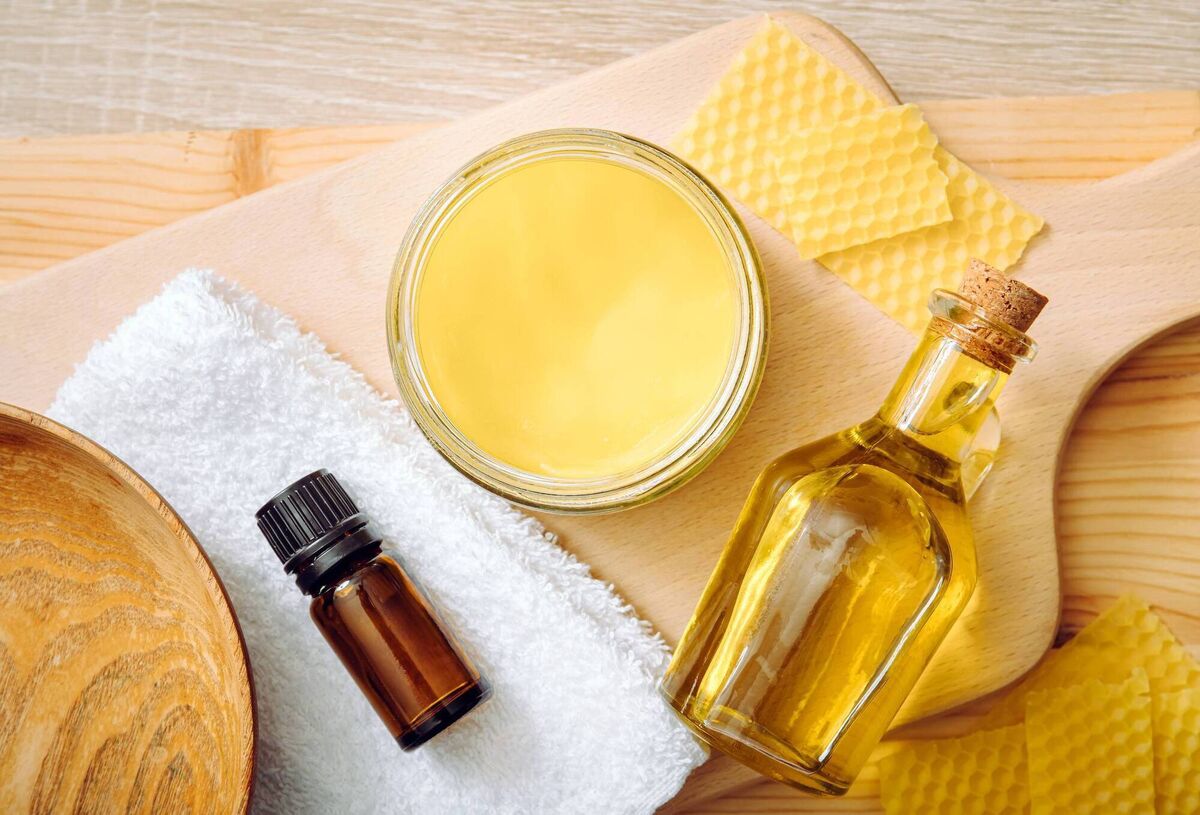
Used over-enthusiastically, it can leave an unpleasant bloom on good furniture and sprays taint the air you’re breathing as you work. You cannot moisturise sealed timber but try this natural recipe for feeding and cleaning thirsty wood surfaces and brightening up old finishes.
- 5g (2oz) beeswax. Try your local health food shop
- 280ml (1/2 pint) turpentine. Not turpentine substitute
- 7g (1/4oz) fragrance or essential oil of your choice
- A double boiler
Fill a double boiler and put over moderate heatAdd the turpentine and wax and allow them to melt together. Don’t allow the mixture to overheat as turpentine is potentially flammableStir in some fragrant oil. Orange or citrus will cover any lingering smells of turpentine which evaporates away
When cool, pour into a jar and put on a lid and labelApply to furniture with a soft, lint free cloth.
Allow to dryBuff off for a gorgeous shine. You can take everything back to just oil and scent if you prefer, with a mixture of two parts olive oil to one part lemon juice. Make fresh each time, spray on lightly, and don’t use on laminates, only finished wood.
CONNECT WITH US TODAY



Be the first to know the latest news and updates