Garden Q&A: How should I deal with rushes growing in my lawn?
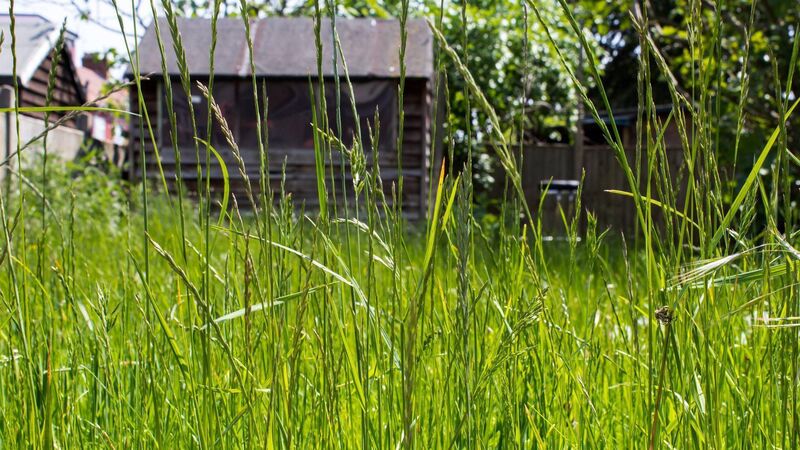
Rushes in a lawn are almost always a symptom, not the real problem. File pictures
How do I deal with rushes in my lawn?
Rushes in a lawn are almost always a symptom, not the real problem. If you’re seeing clumps of soft rush, most commonly Juncus effusus, it usually means the ground is poorly drained.
Pulling or digging them out will tidy things temporarily, but unless you address the cause, they’ll return.
There are two main causes: firstly, a naturally high water table, particularly after prolonged rainfall.
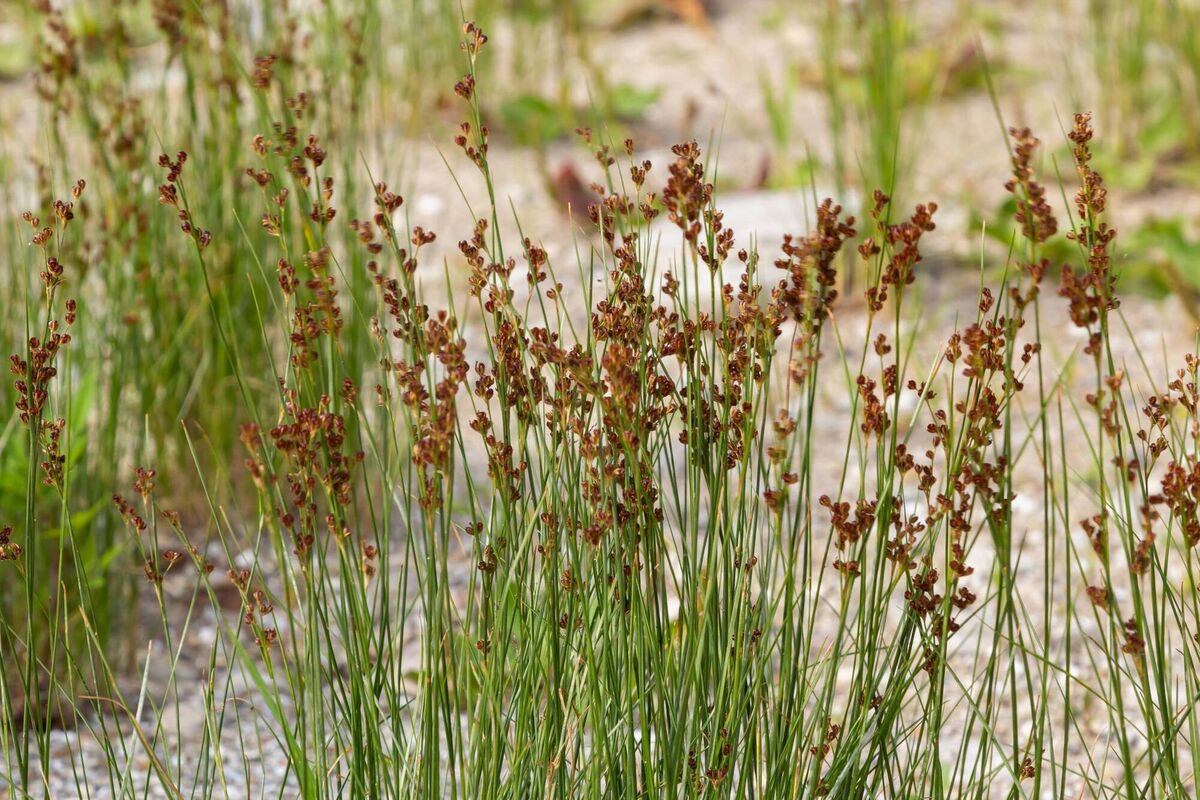
When the ground stays saturated for weeks, grass roots struggle for oxygen, but rushes cope perfectly well. In this case, the problem is seasonal and linked to site conditions rand in truth, there is little or nothing that you can do which will meaningfully help.
However, if the cause is poor drainage due to compaction, which can prevent water from draining, then aeration will help.
Fork the ground deeply or use a hollow-tine aerator to relieve compaction and improve oxygen movement.
Brushing in horticultural grit after aerating will also help to improve the surface drainage.

- Got a gardening question for Peter Dowdall? Email gardenquestions@examiner.ie
CONNECT WITH US TODAY



Be the first to know the latest news and updates