Ireland's terraced homes: From Georgian elegance to modern appeal
The fascinating history and modern realities of terrace homes.
Ireland's terraced homes: From Georgian elegance to modern appeal

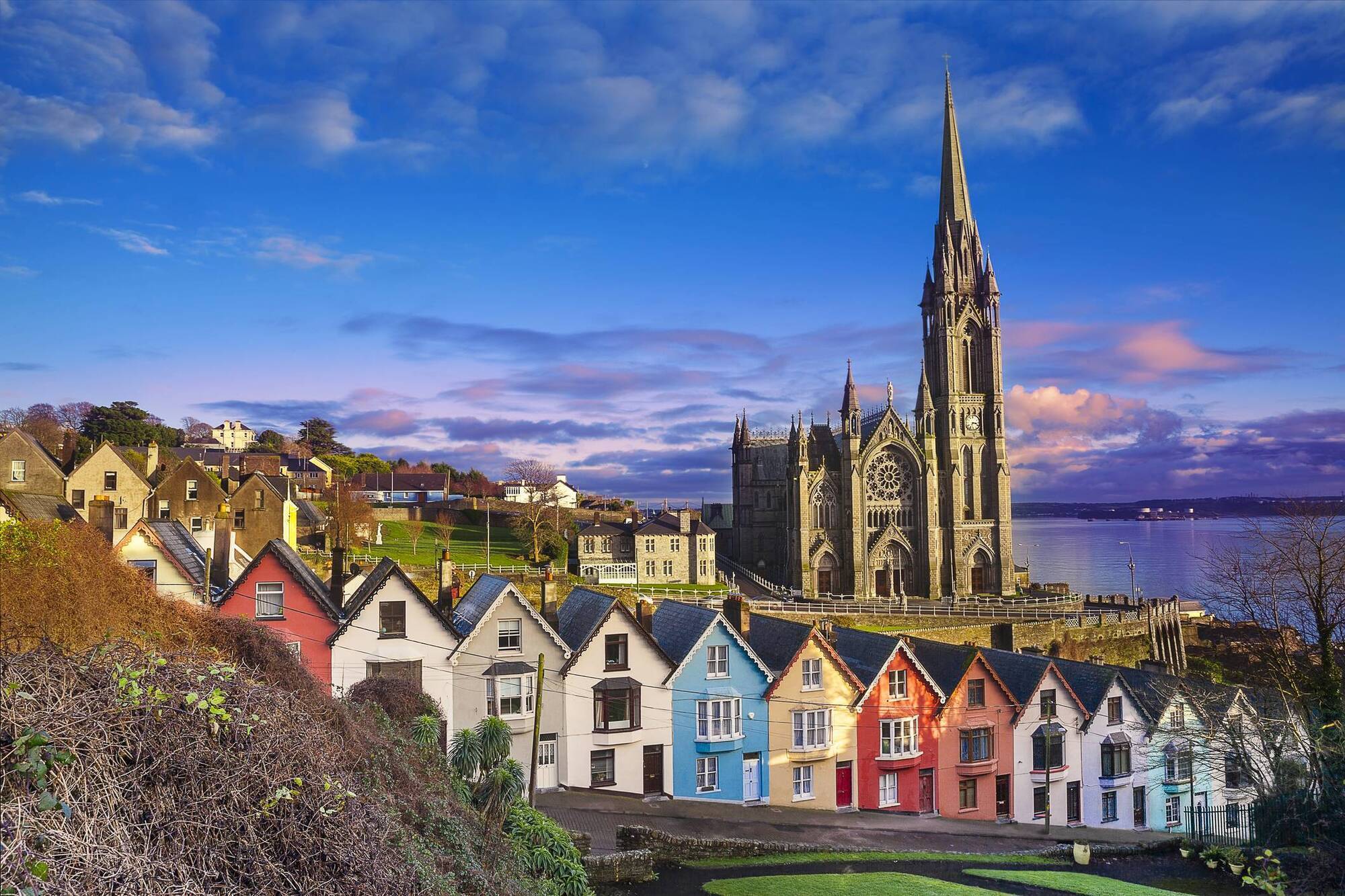
Strap on your crampons! The precipitous and visually irresistible Deck-of-Cards in Cobh, Co. Cork.

FROM the magnificence of Pery Square in Limerick to the quaintly stepped gables of the Deck-of-Cards in Cobh. From the gentility of Merrion Square to the modest rows of artisan houses that line many of our surviving 18th- and 19th-century streets. Terraces remain an important tranche of our built heritage and new build journey.
Row houses in Cork, Limerick, and Dublin all illustrate the impressive power of three- to five-storey symmetrical Palladian terraces. You can still imagine the wealthy, sweeping through the imposing canyons of Georgian town homes in carriages — a small village to the rear of servants’ quarters, mews, stabling, and shared, private garden squares. A family might be perched for their entire year in town or just staged in Dublin for the season, off-loading confused debutantes during engagement centred around Dublin Castle. Mercantile and brewery princes demonstrated their hard-won success with housing developments for workers across the social spectrum. Many larger market towns have rows of medium-density buildings put up by well-heeled Victorian and Edwardian families (who might own a whole block of homes).

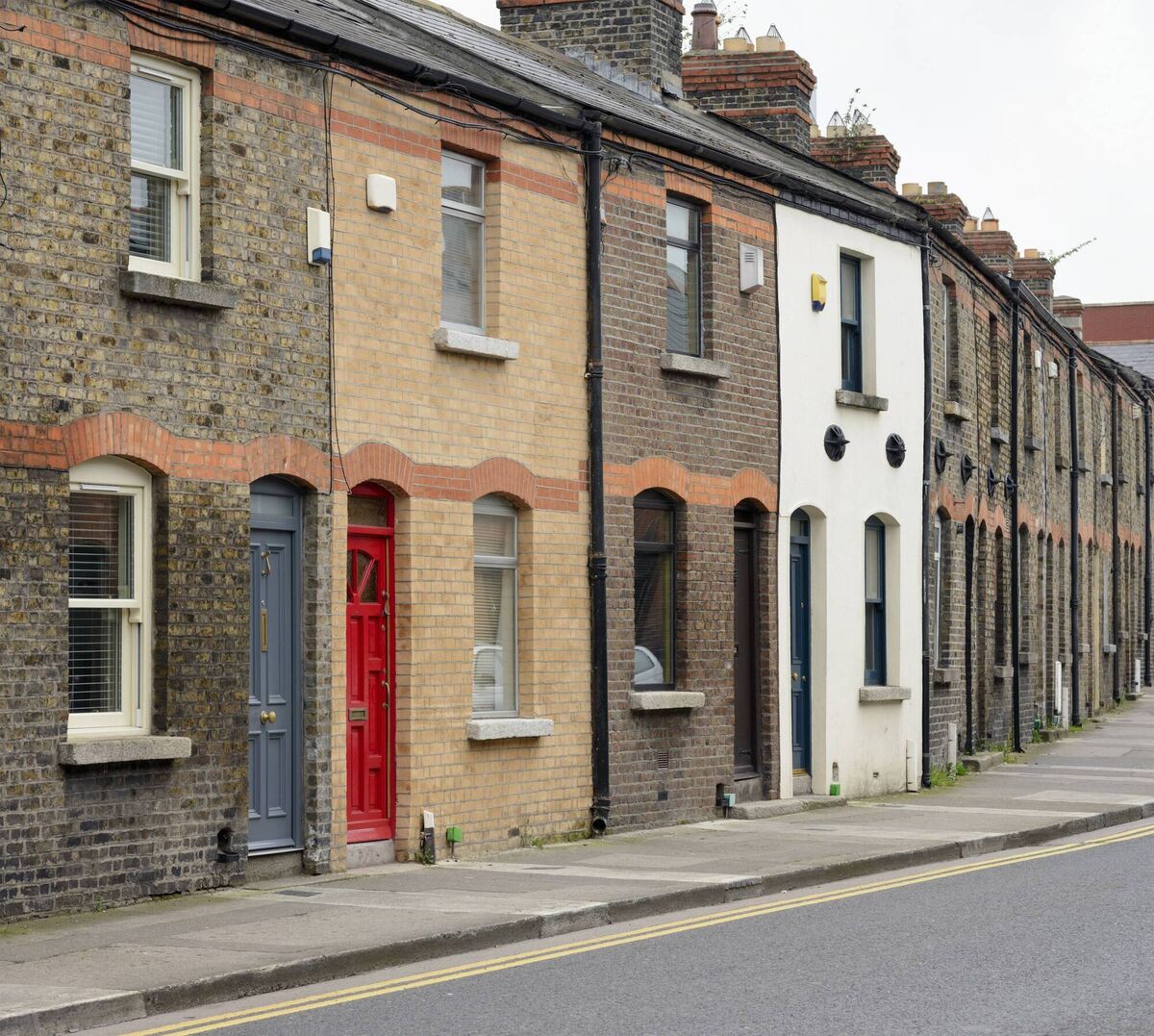
A period terraced home like this artisan two-up, two-down doesn’t have to be large to be architectural treasure.

Responding to the lofty flex of these urban palaces, the one-floor-over-basement form of terraces (easily spotted in Dublin) reflects the upwardly mobile middle class, putting scale on the stately homes they aspired to. With the efficient use of available room and utilities, terraces of various kinds define large swathes of Dutch and Belgian cities (where the form first became popular in the 1700s). In Sydney and Melbourne, stunning terraces from the 19th century are now heavily protected multi-million-dollar pads. Whether in Amsterdam or Brooklyn, the pleasing, repeating design of terraces allowed people in their designated slice of the city or town, to live cheek-by-jowl with a measure of forward-facing privacy.

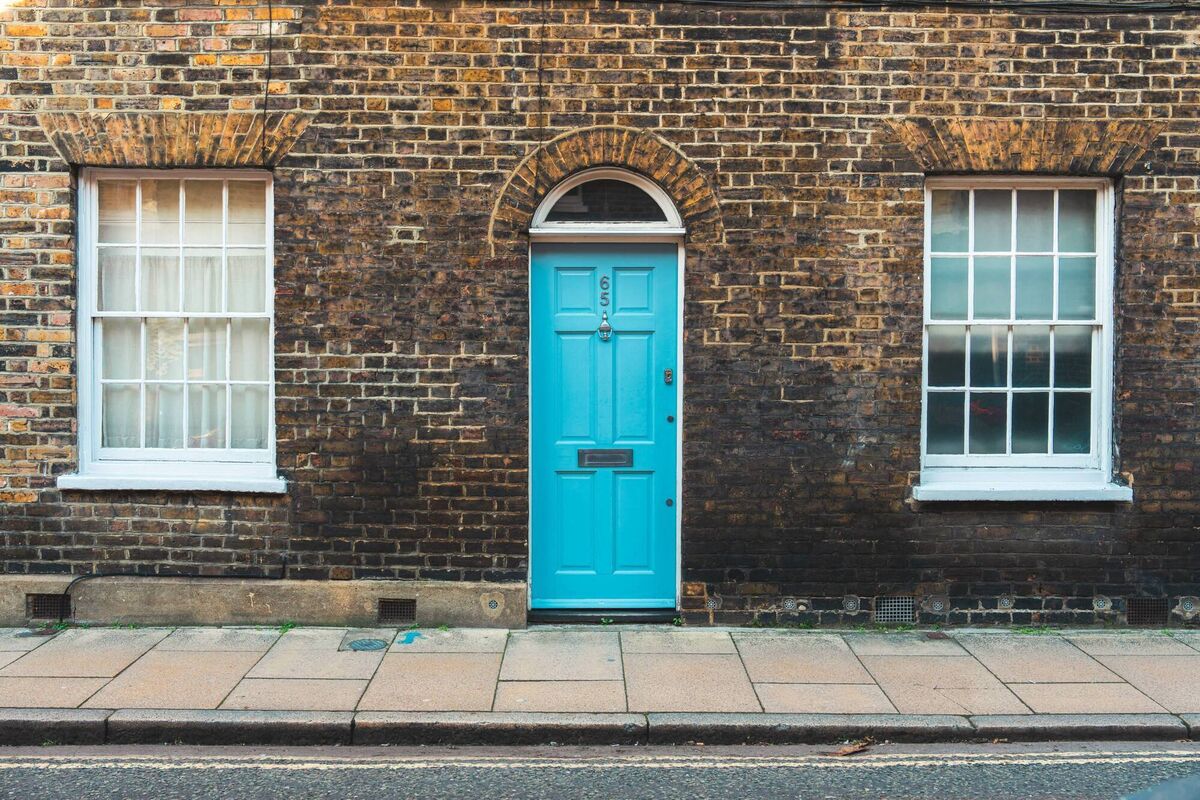
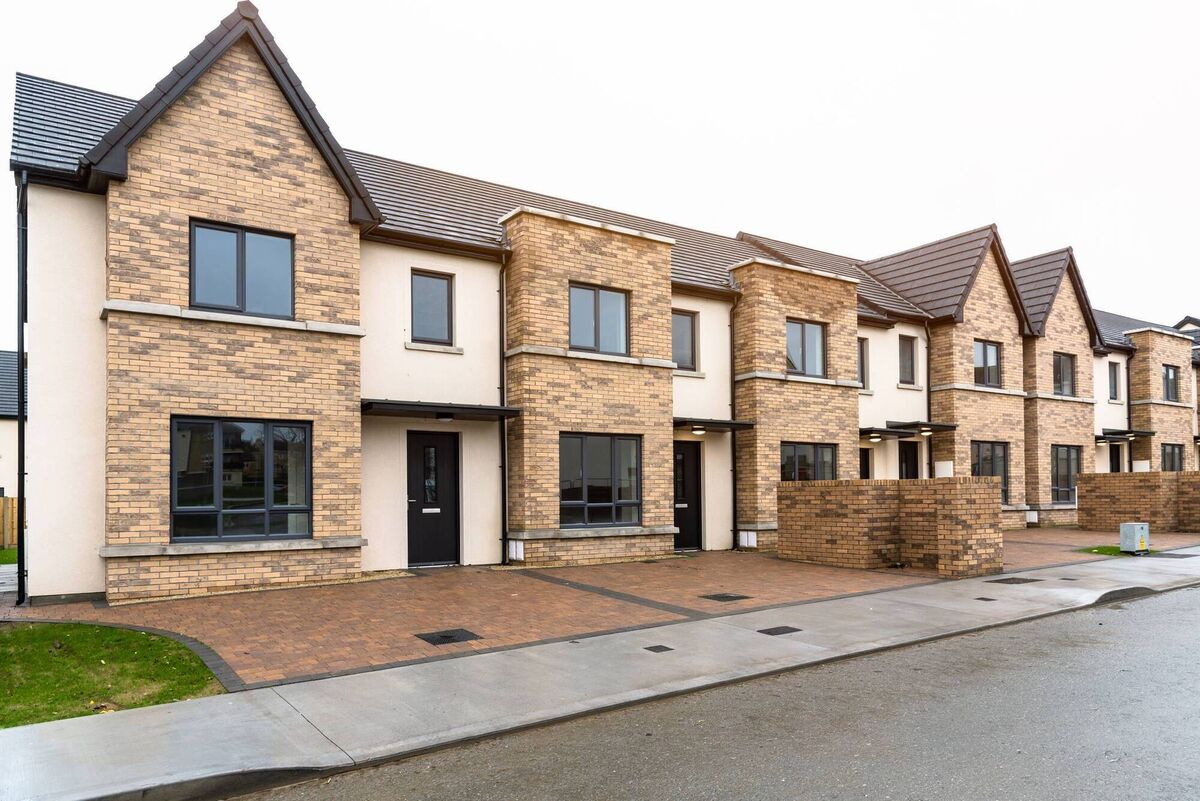
New build terraced homes, properly constructed to building regulation standards, offer an excellent entry point for first-time buyers, with energy efficiency and sound insulation as standard. 	Picture: iStock
New build terraced homes, properly constructed to building regulation standards, offer an excellent entry point for first-time buyers, with energy efficiency and sound insulation as standard. Picture: iStock

So, faced with the choice of being zipped-up on two sides, in a home new or old, what is the appeal and the limitations of terrace home living today?

First of all, there’s that physical restraint on one or two sides of the building, already on a small plot. In a much-coveted end-terrace, this will be the same compromise as a semi-D. With a mid-terrace, you’re snuggled up on both sides. End-of-terrace homes with all their urban conveniences, tend to be less pricey than a similarly sized semi-D in the same area, but more expensive than a mid-terrace. However, something special, prickling with ornate Victorian character like a lovely porch in mock-Tudor style, may exceed market expectations. In a typical layout, a terrace only has light penetrating from two aspects of the building (unless you go into the roof with a roof-light or add a light-grabbing rear extension). East/west-facing terraces can really struggle, and south-facing terraces may look light and bright from outside but will force your living quarters/kitchen to the front/street side of the house.

The rendering over one home puts a sad stutter in this period terrace.

In a smaller terrace, the typical approach to steal light front to back is to break through structural walls and strengthen the building using RSJs.

Now, this rudely eliminates the original lay-out, unless you’re blessed with sliding/rolling doors to open up two to three small original rooms into one, or can introduce them. The results can be spectacular or vandalising, depending on your point of view. Many urban terraces retain little more than their original front facade. They are rebuilt to a 21st-century open-plan recipe with new inclusions such as light wells and glazed courtyards to gush light into every corner of a formerly shadowy old home with little passive solar gain.

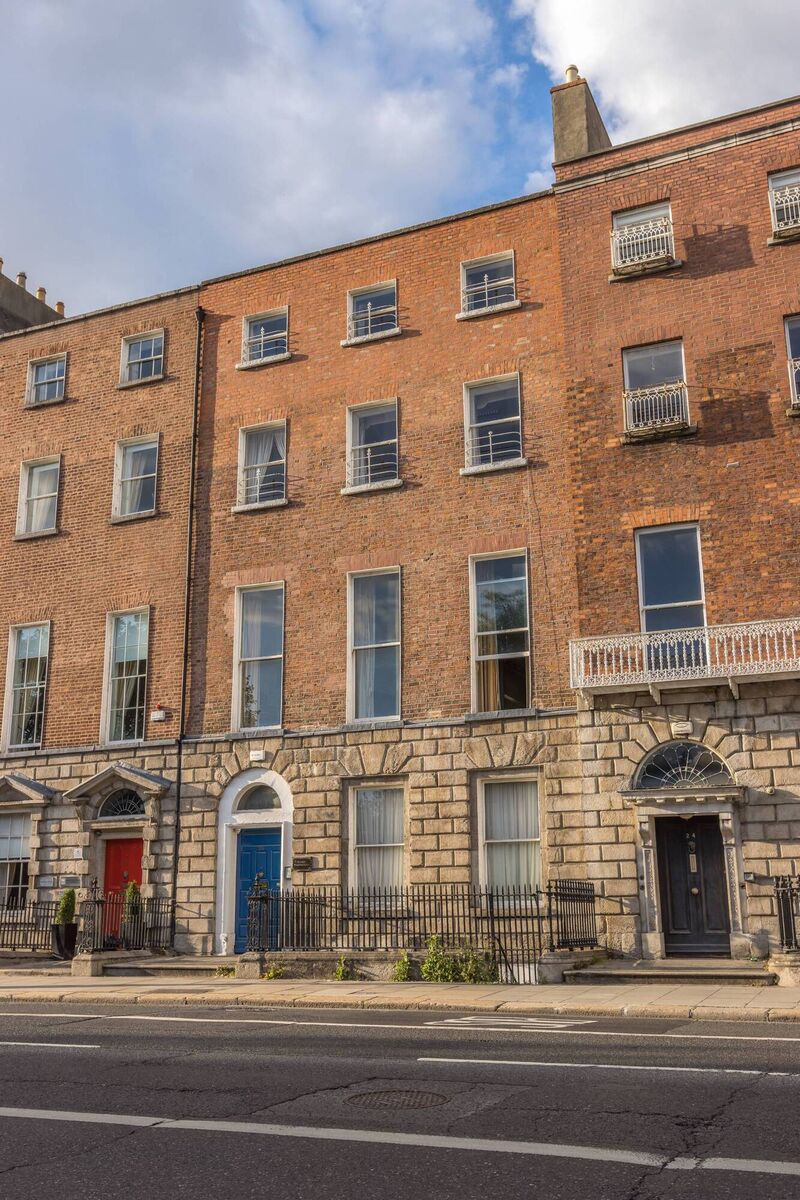
Tall Georgian properties in Merrion Square reach up to the light. 	Picture: iStock
Tall Georgian properties in Merrion Square reach up to the light.  Picture: iStock

Together with the politics of considering your immediate neighbours, expect to pay the full price of a new build per square metre (likely pushed out to the garden/yard) as structural walls and a new roof are served up. In a deep energy renovation where you’re building tight, ensure ventilation exceeds the minimum requirements for a vulnerable period home. In a multi-storey terrace, your architect may suggest elevating living-quarters to the second floor to overcome a dingy street position. High period ceilings matched to large original window openings in pale, reflective choices, can fly light around these rooms.

Extensions to the rear with lots of glazing (again the standard go-to) can amplify the amount of light arriving through the first and, in some cases, upper floors.

Ask your architect to set up illuminating CAD wizardry and even an AI virtual walk-through. If the acoustic properties are working (holding off all but murderous screams and a piano accelerating through the floor-boards) the two-party walls of a terrace should keep the building warm and dry if the homes on either side are inhabited.

Generally, with families on either side, your party walls will be energy efficient interior walls. You can add acoustic panels or plasterboard to dull resonant noise.

Together with potential affordability, being structurally attached offers a comforting sense of social connectedness for terrace dwellers. Still, terrace life presents other considerations we cannot ignore. Close quarters can have a sting, with noise from inadequately detailed party walls, lack of privacy (real and perceived), and various interpersonal struggles between neighbours. Vendors have no legal obligation to tell you anything that hasn’t gotten to court.

If you think about it — you’re living in a private slice of a larger building. There’s a shared roof and there’s that matching facade that can be hideously reimagined or utterly neglected. You might have a say if mice or rats are moving between the buildings through flooring, a drain is stinking or backing up, or there are breaches between the attic spaces. However, just as with a semi-D, your neighbour’s taste in styling up their front facade and garden — including removing original features — is not your business unless it pokes the interest of the local authority.

When viewing, visit the terrace at various times of the day to experience life as it rather than the quaint storybook presented by the brochure. What might be possible in terms of improvements to the layout, and how is the quality of light as it exists?

Notice what other residents have done architecturally to their homes (a shy peer over the back fence should be included here). Are there signs of permit parking if there’s no driveway? How is the general feel of the community by day and night? Are unsupervised children kicking a ball against front doors or strangers loitering? What if any is the access to the rear of the building? Is it vehicular? Scroll in on Google Maps (satellite) for rough access information before you view.

Is the party-wall holding off noise from next-door neighbours clattering up their stairs? How high are the rear walls? Privacy in the garden can be a real issue with over-looking inevitable in a taller terraced home. In a mid-terrace without good rear access, you’ll be carrying your gardening and renovation materials through the front door.

On the bright side, if you neighbour has carried out alterations — putting in a roof light to the front of the building, or they have turned a tiny garden into a parking space — there’s likely an established precedent. Talk to the local planning authority. For listed buildings or anything with old architectural flair, before binning the sashes and demolishing history, try to get a short meeting with the local conservation officer to do right by that old dear.

x

More in this section

Revoiced

Newsletter

Had a busy week? Sign up for some of the best reads from the week gone by. Selected just for you.

Cookie Policy Privacy Policy Brand Safety FAQ Help Contact Us Terms and Conditions

© Examiner Echo Group Limited