Home Q&A: Can I rid my house of mice without using traps or poisons?
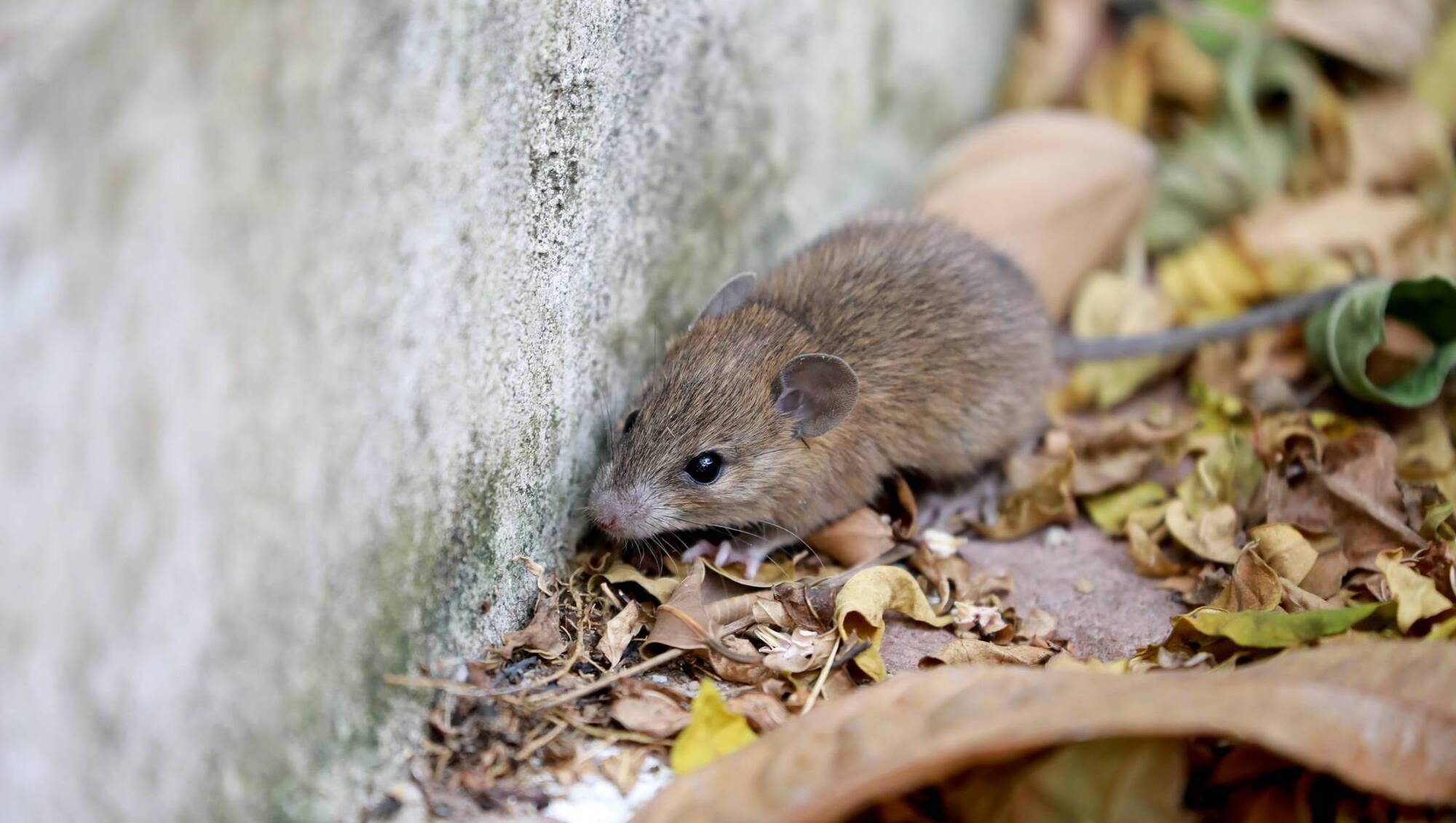
It’s vital to track the mice from outside to in; 1.5cm is large enough for a mouse to yank its little body through a wall. Picture: iStock

The bad news is that if you’re actually seeing one or two mice, chances are there are more. House, and even field mice, are resilient, intelligent little mammals, and reproduce every 25 days right up to the end of October (and increasingly year-round). Left unchecked, you will most certainly be bringing in the professionals with traps and poisons. Specialist exterminators (it’s in the name) don’t have any fluffy sentiment towards rodents’ complete, efficient, safe eradication.
If you’re determined on a humane removal, give yourself a whole weekend, and expect to keep live-trapping for at least another week, even two. With the right products, live-trapping is actually very easy, but it’s completely useless without parallel preparations to stop mice from getting back into your home. It’s a three-pronged approach. The first is to start (and to continue to) getting what mice you do have out of the building, as soon as possible. In tandem with this, we need to ensure that these and any prospective little visitors cannot get back in. It’s same-day tasking. Finally, and in the same period, we need to clean up the sloppy housekeeping that led us here.
Your home is clearly accessible to mice from the outside, so we need to slam some tiny unseen doors. A mouse can get in through a hole the size of a pencil top (1.5cm). You may find signs of their comings and goings with tiny tea-leaf-like droppings, small slimy trails, and even snagged fur on the house materials where they pass regularly. Mice will yank their tiny, flexible frames through a variety of minute crevices and cavities and will be highly persistent if they know there’s a reward inside.
The outer envelope of the house, and all suspended flooring, must be sealed up (bar ventilation vents in perfect order). You can do a lot of this yourself using wads of twisted steel wool packed into tiny gaps, exterior-grade sealants, judicious use of expanding foam, and even dabs of concrete where necessary. It’s a physical campaign that may require crawling under odd spaces like decks and steps, so let the fittest warrior in the house, a tradesperson, or a family friend go to war. Give attention to the gaps around conduit and any open waste pipes (for instance, running from the washing machine) — favourite highways for mice with Mission Impossible skills, scaling, creeping plants, guttering, brick, render and wooden cladding.
As you get higher, you may need paid-help to address breaks in the fascia/soffit level with the attic floor or slipped roof tiles. Rough walls will allow vagrant mice to climb in via the attic, so look over the house from foundations to gutters and remove any overgrown vegetation.
 Don’t do high work or even breach the attic if you’re not competent (that’s just about all of us). While actively sealing the exterior of the home, you should be live-trapping. Trap too soon, even dropping mice off 300m from the house as recommended, you’re still wide open with tiny natural chemical trails flagging their way. Recycle bins and other containers should be pulled out to examine the walls and recesses for any potential rodent access.

Having tried a variety of live traps, the one I rate is the Big Cheese Ultra Power Live Trap, €14.95 from many DIY outlets.Â
It’s a tough galvanised steel box with two entrances at opposite ends. These are lightly sprung ramps that depress as the mouse comes in, and raise as its light little body steps off, sealing them inside a roomy, ventilated cavern.Â
It resets itself (unlike all others), can catch up to ten mice at a time once baited, and lasts for years. We have found peanut butter to be irresistible to the little blighters. You can use these traps inside, in the attic, popped under flooring, placed along skirting in a nice dark spot, or in a dry location outdoors.
There are two important caveats with humane live traps. First, never, ever leave a live bait trap unattended for more than 24 hours, or any trapped mice can die due to starvation, stress or thirst.Â
Secondly, when you lift the top of the box to release your mice, face it away from you. I’ve had a mouse rocket past my face as they exploded to freedom. There was screaming, let me tell you. If you still detect or hear activity weeks later, just go again until the house is free of mice, rechecking your other mitigations — house sealing and foods and edible materials in the home, garage or any sheds. By the way, sticky traps are not humane live traps. They are viciously cruel.
Now to your sins. Mice have been choosing your home because it’s accessible, it’s warm enough for winter nesting, and (as you say, they are in your kitchen) there’s a valuable food source. It doesn’t take much to satisfy a mouse. A tiny crumb is a massive, nutritious loaf of bread in their bright eyes. They will eat just about anything that bounces off your plate or chopping board.Â
Mice rely on clutter for hiding out between expeditions, so clear stacks of unneeded stuff from cupboards and shelves. This will give you a better view to monitor their droppings and to ID spoiled foodstuffs. All dry and fresh foods must be inaccessible. Use high cupboards, tins, sealed boxes, and clean counters and floors regularly, right back to the skirting.
If you have kick boards on the base of the cabinetry, chances are it’s a mouse super-highway, with tiny gaps that are allowing mice to party overnight on counters and inside kitchen units without backs to them (commonly the one under the sink). Dust, wipe and sweep out what you can reach, waving the vacuum pipe under runs of cabinets, and double-check around pipes and wires for intrusion spots.Â
As mice are coming and going, they leave pheromone trails in their urine, largely undetectable by us, guiding their way around the house. This nasty green-away can attract more tiny tenants. Once you have cleaned up, try a spray of a scent-disrupting anti-mouse product. Big Cheese offers one using mint essential oils (€9.95 for 500ml), or you can make up your own mixture. Spray lightly over the floor and skirting, and allow to dry before sealing the area back up.
This kindly purge should include outbuildings, as mice can wreak havoc on stored goods and all cabling. As a mouse’s teeth continue to grow throughout its life, it has to gnaw to keep them in trim. Look for gnaw marks. Put fish food, bird seed, resting bulbs and other horticultural goodies in sealed containers. Look out for any other signs of intruders- nest sites (not for the faint-hearted) and droppings. Rat droppings will be far more obvious, grey, white or black and somewhat slug-like. I do not deal with more than one to two rats here, and we have terriers. Jack Russells do not take prisoners. This remains a health issue. If weeks later, despite your best efforts, mice are clearly still on site, you may have to harden your heart.
- Got a question for our Home team? Email home@examiner.ie