How to save money by keeping energy bills low this festive season
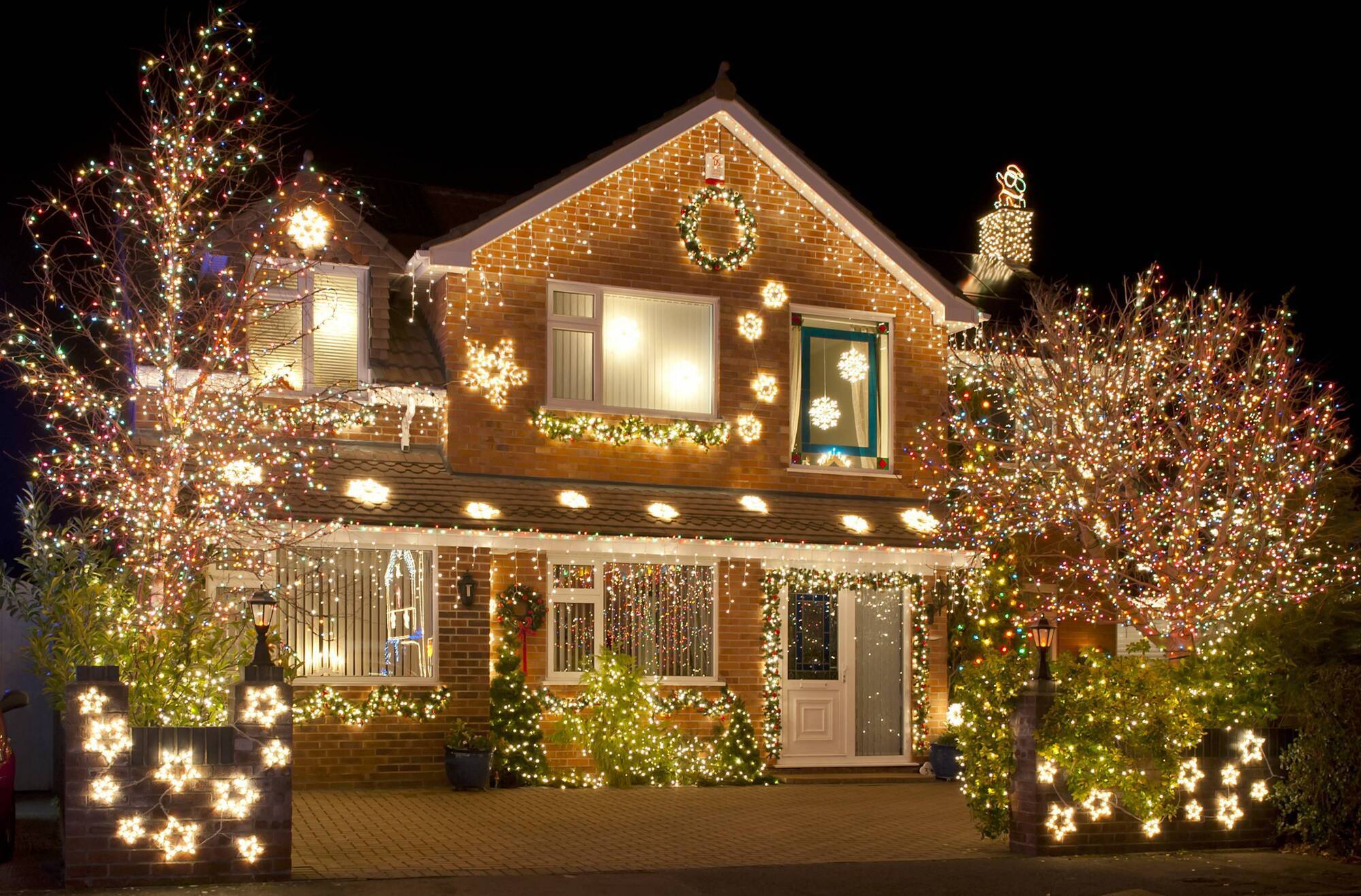
Christmas lights can be switched off overnight. No one is judging you. File picture
Yes, it’s all about bling, treats and getting what we deserve, but Christmas doesn’t have to blow up your power bill. Let’s ensure that the next bi-monthly bill is just perked, not a new year’s kick up the kilowatts. First of all, you may have started life with a smart meter this year, giving you some idea of your real-time power usage.
With some suppliers, including SSE Airtricity and Yuno, you can even see your major appliances nibbling the supply via an app on your phone. This will cover the big spenders — electric ovens, tumble dryers, washing machines and the curly moustached villain of domestic villains under the wrong soapy fingers — the electric shower. So, refer to that typical baseline, and obviously expect a little chaos as the house fills, kids lose all restraint and adult drinks are topped.

Let’s start with the electric oven, which will be pressed into longer cooking periods than usual — three hours for a 4kg-5kg turkey, for starters. Start with a clean oven cavity and door (more efficient and greater visibility if the door is glazed). Don’t preheat the oven too far in advance.
Once the cavity is loaded, we don’t want to open the door unless necessary (for basting, for example). Wagging it open for an indulgent peek lowers the temperature by as much as 25C, especially for typical electric ovens without the radiant heat talents of an Aga or Rayburn. Refer to your meat thermometer set inside the cavity of the oven and visible without opening the door if possible.
Allow frozen foods to defrost in the fridge. When you’re all peeled, prepped, stuffed and ready to go, use the oven’s shelves for multiple dishes, loading while the oven is still hot if you have a follow-up dish to go in. Think about using the economy of the slow cooker, the air fryer or even the microwave for side dishes.
For long cooking times, you can usually turn the oven off for a few minutes at the end of the cooking period, but obviously, check that all meat is cooked thoroughly. Ceramic and glass hold heat better, keeping dishes warmer from the oven to the table. When par-boiling those spuds, matching your pot to the ring size and keeping the lids on could save as much as 10% on the energy and time needed to soften them up.
If your standard oven is overwhelmed, use your economical counter-mounted devices. It might seem like December desecration, but a turkey can be cut up into pieces, slow-cooked for six to eight hours, and finished in the air fryer to crisp the skin.
When steaming vegetables, use a stackable steaming pan or counter-mounted steamer to get them all in one sitting. To follow up in a sustainable style, dovetail your low-energy cooking into savvy storage and the joy of leftovers. Soft vegetables from Christmas dinner can be pureed into rich, nourishing soups.
Fruit and the ends of yoghurt and crème fraiche tubs can be whizzed into smoothies in seconds, right in the glass. Allow warm dishes headed to the fridge and food to freeze to completely cool before storage (this just means the appliance doesn’t have to work as hard to maintain its set, safe temperature).
The couple of days before Christmas are ideal for making room in the freezer and clearing back the fridge to help both cabinets perform better and to offer maximum cubic centimetres of storage.

With extra visitors and appliances like the oven and kettle humming along, the temperature of the home is likely to rise naturally. With doors opening and closing with all the coming and going, don’t rely on the TRVs or zone controls to tell the full story.
Try turning down the master thermostat to the room heating by a degree or even two (this can whip up to 10% off your bill for electric heating per degree). Incidentally, where you turn down TVRs, don’t panic if the radiator gets cool — it will kick on again when the air around it prompts the thermostat. Most people have no idea how these nifty additions really operate.
Speaking of visitors and overwhelmed youngsters tending to their social calendar, insist on full washing machines and full dishwashers. Those half loads or single-item spins will make a nonsense of the most efficient washer/dryer. It’s hard to stick to the demands time-of-use-tariffs at this hysteric time of year — but just be aware of when you’re running those kilowatt hungry background servants like clothes dryers — best done using off-peak electricity after 11pm or in the wee hours of dawn if you’re up and about (even using timers laundry appliances are safest used when you’re about).
The electric shower, pumping and heating stone-cold water, will use up to 10kW/h. With luxurious behaviour of over 15 minutes and a few clubbers, this can really add up over the season. I’m afraid a resonant fist applied to the bare boards of the bathroom door after 10 minutes indulgence is all I can suggest as a teenage training aid.
With the crush, rush and sheer excitement of the day, it’s easy to leave company, colourful large TV screens blinking away in one or even two rooms. If there’s an eco-setting on the telly, it can make the set run for less (adjusting the brightness and saturation) and will also turn it off if the controls have not been touched for an extended period.
Yes, I know, it seems a trifle Grinch to say it, but Christmas lights don’t have to be on for 24 hours, painting the night sky like the Starship Enterprise. If you’ve been smart enough to move to LEDs everywhere, and solar and 12V mains strings outdoors, you’ll find a timer on most sets to trim their performance back to the 8 hours a day that matter most.
Vampire devices, including many electronics, can run at up to 20% of their full power when on stand-by. Switch them off completely and/or again get to know the economy settings. If you cannot figure out any device or appliance, the PDF for everything made since the Ark can be found online with just the model number and brand name.