Peter Dowdall: How to keep your houseplants happy this winter
'Houseplants can be high maintenance, but the good news is not all of them are prima donnas, and some actually love winter — or will at least tolerate it'
Peter Dowdall: How to keep your houseplants happy this winter

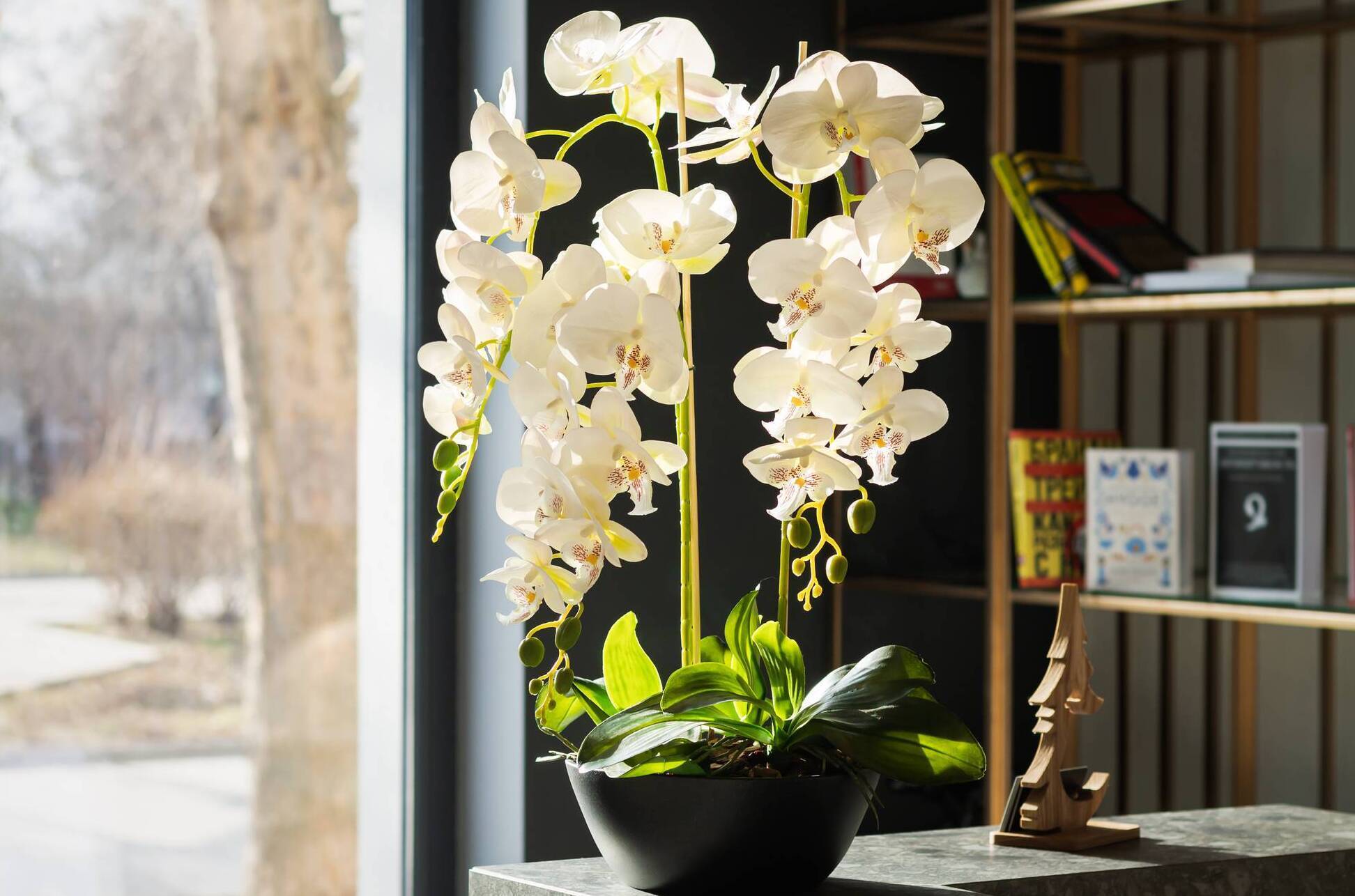
Phalenopsis orchids are surprisingly easy to grow through the winter, says Peter Dowdall. File picture

When winter comes and the temperatures and light levels drop, we retreat indoors, crank up the heating, close the curtains far too early, and try to convince ourselves that it will all be over very soon.

Barely a thought is given to our houseplants; they don’t get a say in any of it. One day they’re basking in bright summer light, the next they’re stuck beside a radiator being slow-roasted like chestnuts, and then we wonder why the leaves crisp up or fall off in dramatic fashion, as though the plant is fainting purely for effect.


Houseplants can be high maintenance, but the good news is not all of them are prima donnas, and some houseplants actually love winter, or will at least tolerate it. Others, well, they sulk. Once again, it’s all about the correct plant choice and choosing the correct plant for the situation.

The biggest challenge for indoor plants during winter is the light. Even the sunniest window is dealing with weaker daylight and shorter days, so anything that needs full sun in summer is going to struggle.

Add in draughts from doors and windows, radiators that turn the air bone dry, A-rated houses and the universal human instinct to “give the poor plant a drop of water to keep it going.”

That last one is, more often than not, the problem. Overwatering is the number one reason houseplants perish in winter. The roots simply have no reason to get thirsty, because they’ve gone into energy-saving mode. Every excess drop just sits there, quietly rotting the roots while you innocently think you’re helping them.

Some plants are less fussy and easier to get through the winter months.

Sansevieria, often harshly referred to as mother-in-law’s tongue, is one of the most forgiving plants that you can grow. If you forget to water it for a month, it will thank you. If you place it in the darkest corner of the house, it will shrug and keep going. It doesn’t care about low humidity, temperature swings, or whether you know its Latin name. This is a perfect plant for beginners, or for anyone who believes they’re “bad with houseplants”, which usually just means they’ve been given the wrong ones. Not only is it so trouble-free, but it is also a very attractive foliage plant, along with being one of the best to clean and filter our air, whilst at the same time, pumping out clean oxygen.

Aspidistra is a plant which was synonymous with Victorian homes, and they thrive in dark hallways where nothing else would stand a chance. If you’ve got a cold porch or a shady spot in the house, this is the plant that will handle it.

Orchids are a fascinating group of plants, and the two types that we most commonly grow as houseplants here are both far less trouble than you may think from looking at them.

Moth orchids, Phalenopsis, will trick you with their intricate beauty into thinking that they are difficult and demanding, whereas the truth is the opposite. They actually don’t mind winter at all, again, provided they have the right position and conditions.

What they cannot stand is being overwatered, especially in winter, or being stuck right beside a radiator. Keep them in bright, indirect light, water lightly, ideally in the morning, so excess moisture evaporates and try not to drench the crown.

The cooler temperatures of winter and the drop in light levels will trigger these beauties to produce new flower spikes.

Cymbidiums, on the other hand, absolutely love the cold. They’re winter bloomers in the wild, and most people fail with them because they bring them inside too early. Cymbidiums need that drop in temperature in late summer and early autumn to trigger flower spikes. You can even leave them outside or under the simple cover of a carport at that time of year for them to feel that drop.

Once they’ve formed, they’re perfectly happy in a cool but bright spot, a conservatory, a cool porch, or anywhere that feels like outside but not frosty.

On the other hand, some of the most elegant of foliage house plants are the ficus or ornamental figs. But in my experience, these are the divas of the indoor plant world. Once the light drops, so does its mood. Any draught, any cold window, any radiator heat, and it instantly threatens to drop leaves. People try to fix it by watering it more, which, of course, makes things worse.

If you must have one and, more than most, I understand the temptation, move it a little further from the window in winter, keep it away from heat sources, and water it very lightly. And do not, under any circumstances, panic when it drops one or two leaves; that’s just the diva within.


x

More in this section

Revoiced

Newsletter

Sign up to the best reads of the week from irishexaminer.com selected just for you.

Cookie Policy Privacy Policy Brand Safety FAQ Help Contact Us Terms and Conditions

© Examiner Echo Group Limited