Peter Dowdall: Putting your garden to bed for autumn and winter
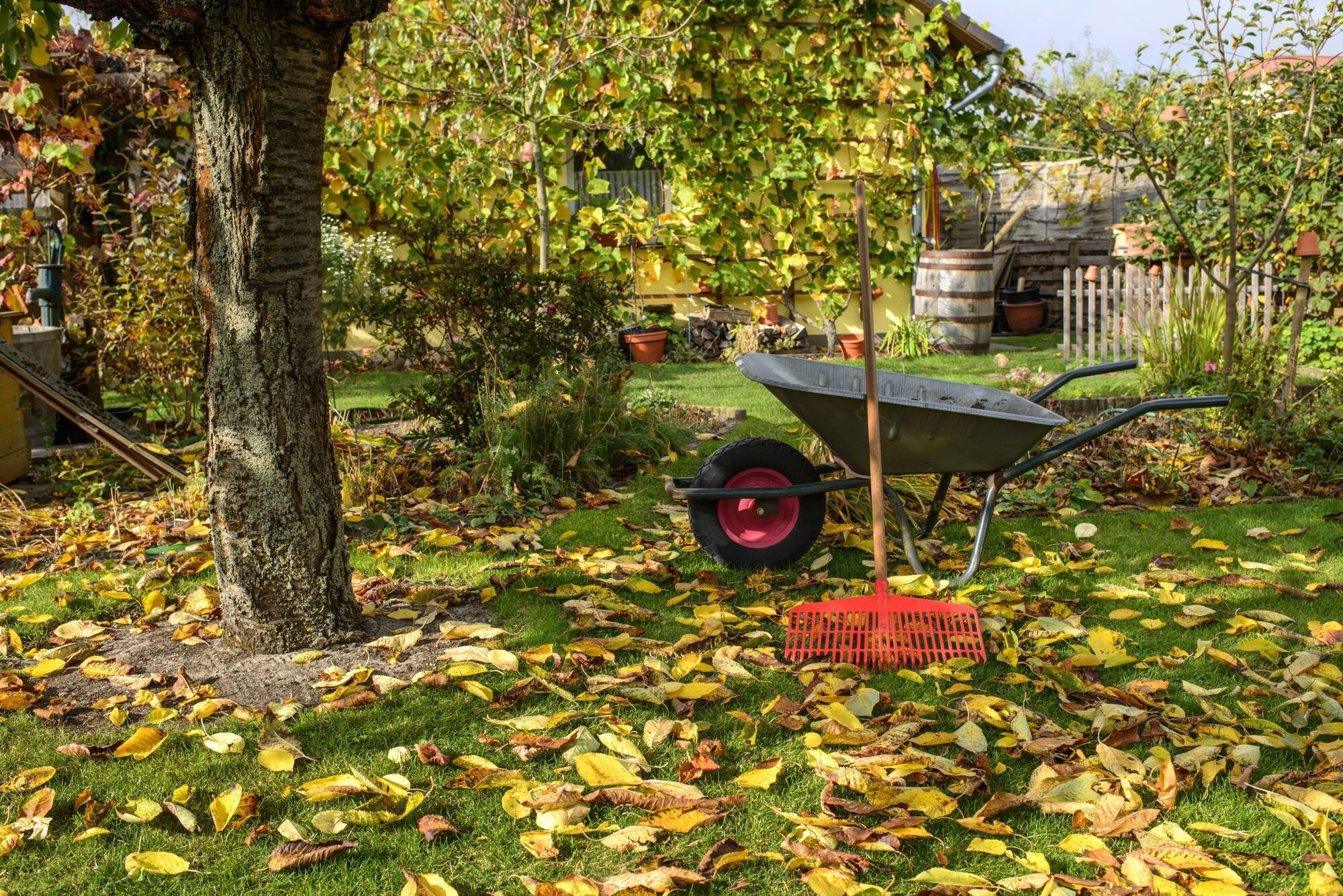
The temptation can be to tidy everything and leave the garden looking bare and orderly, but some restraint will pay dividends.

I really think that we are more connected to the natural world and the changing seasons than we realise.
In springtime, as the dormant buds begin to burst and new growth pushes up from beneath the soil, a switch goes off in each of us that makes us yearn for the outdoors. We want to be outside again after so much time indoors during winter. The lengthening evenings and increasing warmth at that time of year nearly force us out into the garden.
Equally so now, as the opposite is happening and growth is slowing, I think the same can be said for us. We too, are slowing down. Well, I certainly am, with the earlier evenings drawing us in sooner each day. There’s an urge to tidy up, to begin to put the garden to bed for the last part of the year.
But the question of what to cut back and what to leave is one that often comes up, and the truth is that not everything benefits from an autumn tidy. Take lavender, for example. Now is the perfect moment to remove the spent flower stalks and a little bit of leafy growth beneath them. The trick is to avoid cutting into the old woody stems because lavender doesn’t regenerate well from that. A light trim keeps it compact and neat for the winter.
Many herbaceous perennials can also be cut back once they’ve flopped, hostas being an obvious candidate. Their slug-eaten foliage is not doing the border any favours, and clearing it helps prevent pests and disease lingering. The same goes for daylilies, phlox, and any other perennials that are clearly finished. Autumn raspberries should be cut right down to the ground once the last fruit is picked, ready to send up fresh canes next year, while blackcurrants can have their oldest wood removed now too. A final trim for evergreens such as box, privet, or yew can also be given in early autumn, just to keep them neat before growth slows completely.
On the other hand, some plants are best left alone. Roses, for instance, don’t want a proper prune until late winter or early spring. At this time of year, it’s enough just to shorten any long, unnecessary stems.
Hydrangeas are another classic example. Their old flower heads might look a little tatty, but they serve an important purpose by protecting the delicate new buds beneath from frost damage. Spring-flowering shrubs such as forsythia, lilac, and viburnum are also ones to leave until after they bloom, as they have already formed flower buds for blooming next spring, so to prune them back now will only result in losing next spring’s display.
Tender perennials like salvias and penstemons can keep giving colour well into the autumn if you let them, and cutting them too soon will not just rob you of those last few blooms but it will also make the plant far more vulnerable to the winter cold.
Many of the prunings you might think of throwing onto the compost heap can, in fact, become new plants. Lavender, rosemary, fuchsia, choisya, escallonia, and ceanothus all strike well from semi-ripe cuttings at this time of year. Choose healthy, non-flowering shoots that are firm but not yet woody. Snip them to about ten centimetres, cutting at a node, remove the lower leaves, and place them into gritty compost where they will root over the winter months. It’s a simple way to multiply plants for free, and nothing gives me the same sense of smug satisfaction, even after all these years, as planting something with its own root system, which I grew from a cutting.
The temptation can be to tidy everything and leave the garden looking bare and orderly, but some restraint will pay dividends. Obviously, cut back and remove anything which may be a safety hazard and may cause you to trip or slip, but after that, tread carefully. A border of seed heads and standing stems can look magical in the low autumn light and later in winter frosts, but beyond that, they can be lifelines for wildlife.
Finches love to pick at the seeds of rudbeckias and echinacea, insects find shelter in the hollow stems, and piles of leaves or prunings tucked away in a corner become havens for beetles, frogs, and even hedgehogs. What we call “untidy” is often just nature doing what it does best.
Autumn pruning isn’t about taking everything down and starting fresh. That comes later, in spring, when you can properly see what needs shaping or rejuvenating. Right now, it’s more a case of tidying where plants are truly finished for the season, but balancing that with leaving much in place for the sake of wildlife and winter beauty. The garden doesn’t have to be, and in fact, shouldn’t be, scrubbed clean to be at its best.
So sharpen your secateurs, but use them carefully. Cut where it helps, leave where it matters, and remember that every hollow stem left standing, every seed head left to ripen, is part of the bigger picture. The garden may be slowing down, but in its quiet way, it’s still full of life, and what you choose to cut and what you choose to leave will shape both the garden’s beauty and its biodiversity through the darker months ahead.


CONNECT WITH US TODAY



Be the first to know the latest news and updates