Jennifer Sheahan: How to budget for your home renovation
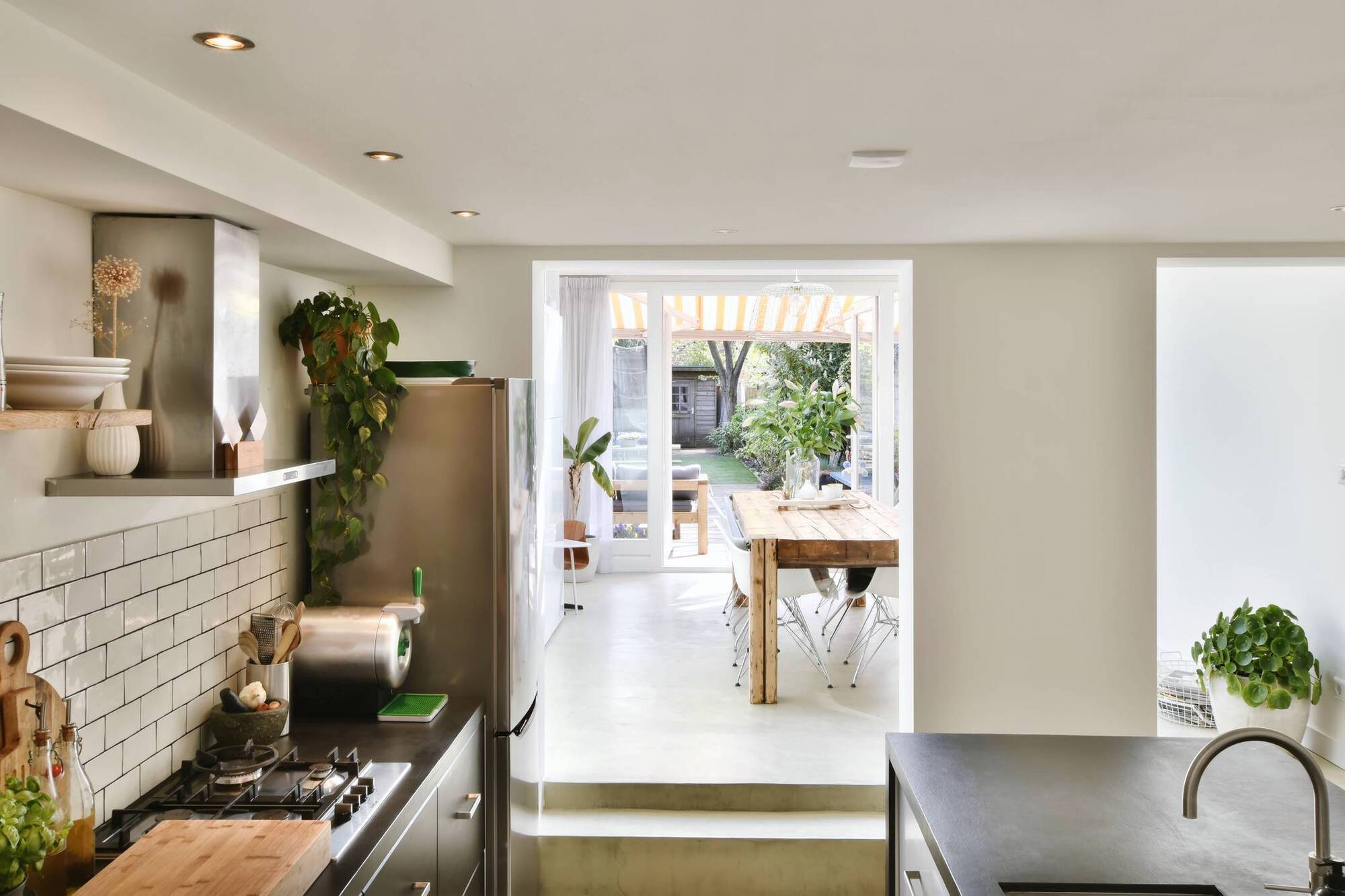
If you’re struggling to come in under budget, focus your spending first on the items that are hard to change later, plumbing and electrics, insulation, flooring, and windows. File pictures
If you're planning a renovation in Ireland right now, there’s no way to sugar-coat it — costs have gone up. What might have cost €2,300 per square metre back in 2020 could now easily be double, if not triple, depending on your location, materials, and the complexity of your project. This is due to a mix of rising demand and an increase in materials costs since Brexit and global supply chain challenges in the past few years — prices spiked, and they’re not likely to go back down.
That’s not to say you shouldn’t do it — prices of turnkey homes have rocketed up too, so the reality is you’re goosed either way. But enough doom and gloom. Even with higher prices, a well-planned renovation can be one of the most rewarding things you will ever do. The key is creating and following a realistic budget.
It’s all in the planning — when you are embarking on a renovation, the very first thing to do is to sit down and meticulously list out every single cost you are likely to encounter. Open a spreadsheet, and start filling it out — you can download mine for free at jennysheahan.com if you need a starting point.
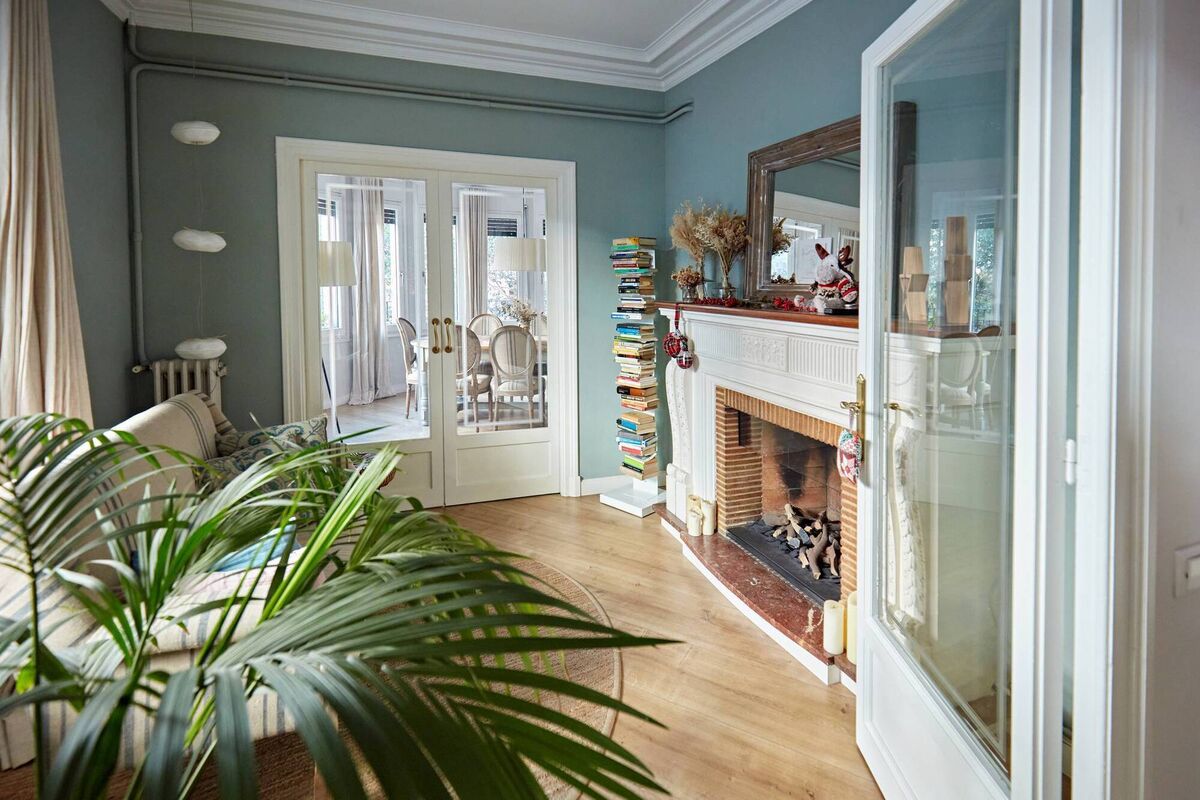
You should write down every single thing you can think of — from solicitors' fees, if you are buying a new house, all the way through to small items like cushions. I went as far as listing toilet roll holders in my budget — you’d be surprised how quickly the small things add up towards the end!
I advise creating two cost columns — in one, you enter the price of the item you really want. In the second, you enter the price of the lowest cost alternative you would be willing to settle for. In this way, as you track your actual spend, you can quickly see where you can save if you need to, or where you will have room to splurge if possible.
For smaller items, you will be able to look online and get a rough idea of how much the items you like will cost. For larger items, such as a new kitchen, for example, the prices start varying wildly. This is down to your kitchen size, the materials you choose, the level of finish, who you get to install it, and what kind of appliances you want.
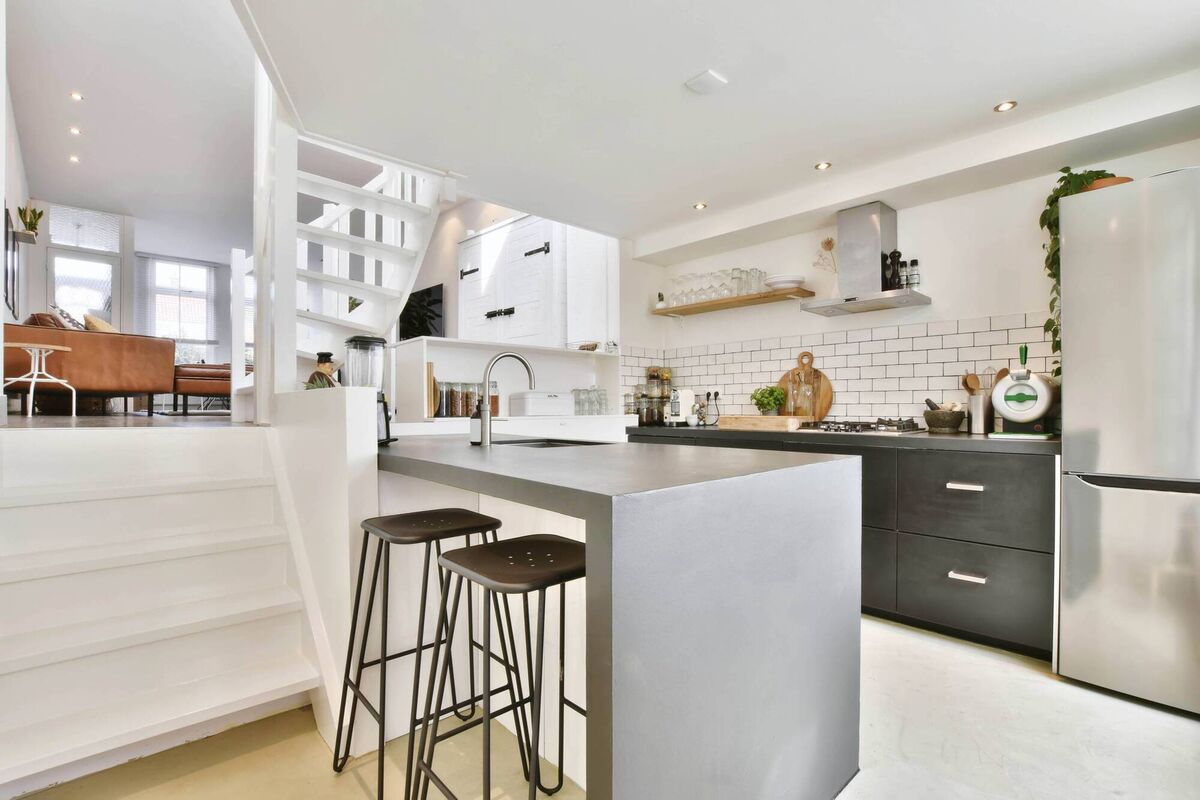
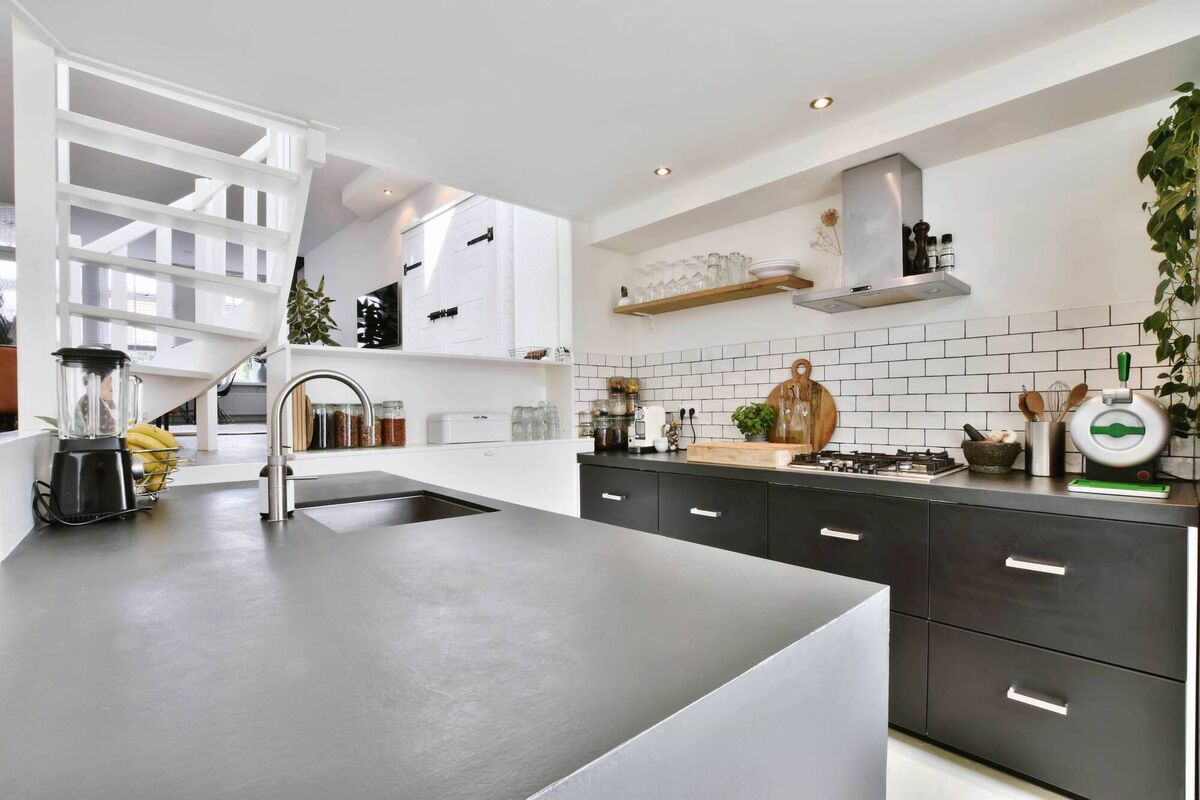
For a very rough estimate, you can consider a minimum of €8,000 for a small, budget kitchen and around €20,000 for a mid-size, mid-range kitchen — up to €100k-plus if you’re splurging. Bathrooms can run from €5,000 to €15,000 at the low- to mid-range.
Paint is typically €500-€1000 for an average-sized room, and flooring can be anything from €20-€200 per square metre, depending on materials.
You should take these numbers lightly — they fluctuate significantly depending on a range of factors, and the best way you can estimate is to spend time getting quotes for these high-ticket items — aim for three quotes for each, so you can get a good idea of the average you can expect to pay. And always allow a contingency fund of 10%-20%.
Even with a contingency in place, you should consider all possible costs you may incur. Even if you have an engineer’s survey, some things are not possible to know in advance — such as the well that was discovered beneath the foundations when a neighbour tried to renovate their basement-level kitchen.
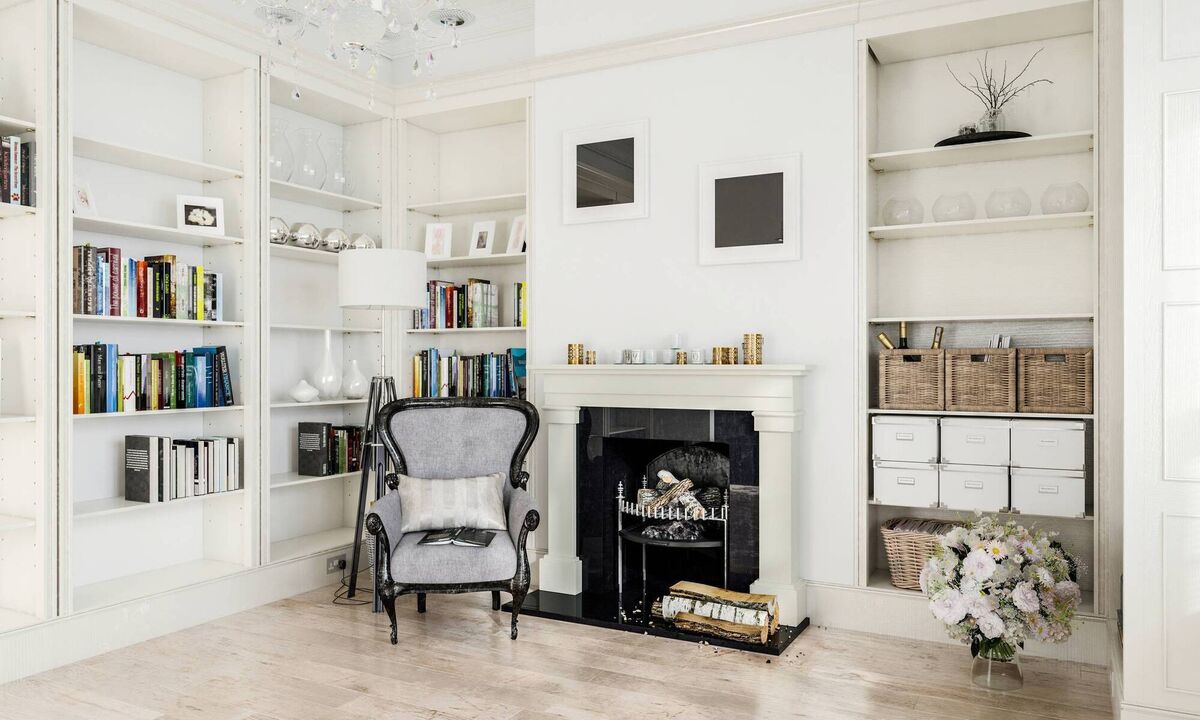
You may price up gorgeous herringbone floors but find that your floor needs to be levelled first, bumping up the cost significantly. If you are renovating a very old house, you should plan to replace the electrical and plumbing systems at a minimum. You may need to account for structural or damp issues.
Of course, you should also factor in all the surrounding costs, such as solicitors' fees, stamp duty, planning permission fees, architect or interior designer fees, BER assessments, VAT, and any temporary accommodation you’ll need to pay for if you need to move out during your renovation.
If you’re struggling to come in under budget, focus your spending first on the items that are hard to change later — plumbing and electrics, insulation, flooring, and windows. Investing in quality structural items up front will save you money in the long term. Believe me, it is not worth it to scrimp on plumbing only to face expensive water damage down the line.
Investing upfront in bringing up your energy rating can also give you big savings in the medium and long term on energy costs and green mortgage rates. Save on finishes or decorative touches, which are easier to upgrade later.
If you are handy, you can try to DIY in some areas, such as painting, sanding, ripping out old carpets, and tiling. If you are a total beginner, invest in a DIY evening course, which typically costs around €120 and can give you invaluable skills not only for your renovation but for costly ongoing home maintenance.
Invest time shopping for second-hand bargains — you would be stunned by what you can find on Adverts or Done Deal, on Facebook Marketplace, at salvage yards such as Kilkenny Architectural Salvage, at auctions, and in second-hand furniture shops such as Vision Ireland.
Government grants can be an excellent way to offset some renovation costs, though it can be a minefield. For renovators, the vacant property refurbishment grant is an incredible support, giving up to €70k to renovate pre-2008 homes that have been vacant for at least two years.
SEAI grants can be an excellent way to make energy upgrades more affordable, though be sure to review and follow the process carefully — you often have to apply and be approved before any work is carried out. There are also low-interest loans available via some providers specifically for energy upgrades or retrofits — offers vary, but check with SEAI and with banks and credit unions to see what’s currently available.

CONNECT WITH US TODAY



Be the first to know the latest news and updates