Home Q&A: Should we ever mop or wash our walls?

Kya deLongchamps is bemused by the practice of 'wall mopping'. File pictures
Should we ever mop or wash our walls?
Last week, I was contacted by a distressed reader from Douglas, who had washed and thereby ruined large areas of her lovely dark super-flat matt paintwork. When I first heard about the Cleantok madness of interior wall mopping, I thought it was a prank. The trend is credited to home hacker and TikTok queen of clean Carolina McCauley (@carolina.mccauley), when she posted about her regular wall mopping with Tide detergent powder in water, in the summer of 2023.
Since then, people have gone up the walls, and it’s become something of a cult practice for enthused householders across the world, who include full wall washing as a biannual or even monthly practice.
Swiping dust, webs, and dirt off the surface of the walls is something anyone would regularly do, and with a vinyl silk painted wall, rubbing and well-considered scrubbing of stains and splatters is a regular chore in kitchens and bathrooms. However, when it comes to entirely “washing” down walls? Well, social media has shown householders soaking their walls down, delivering soupy, dark buckets of muck using long mops or even a dripping sponge. This is a bad idea in most cases, and I would question its veracity.
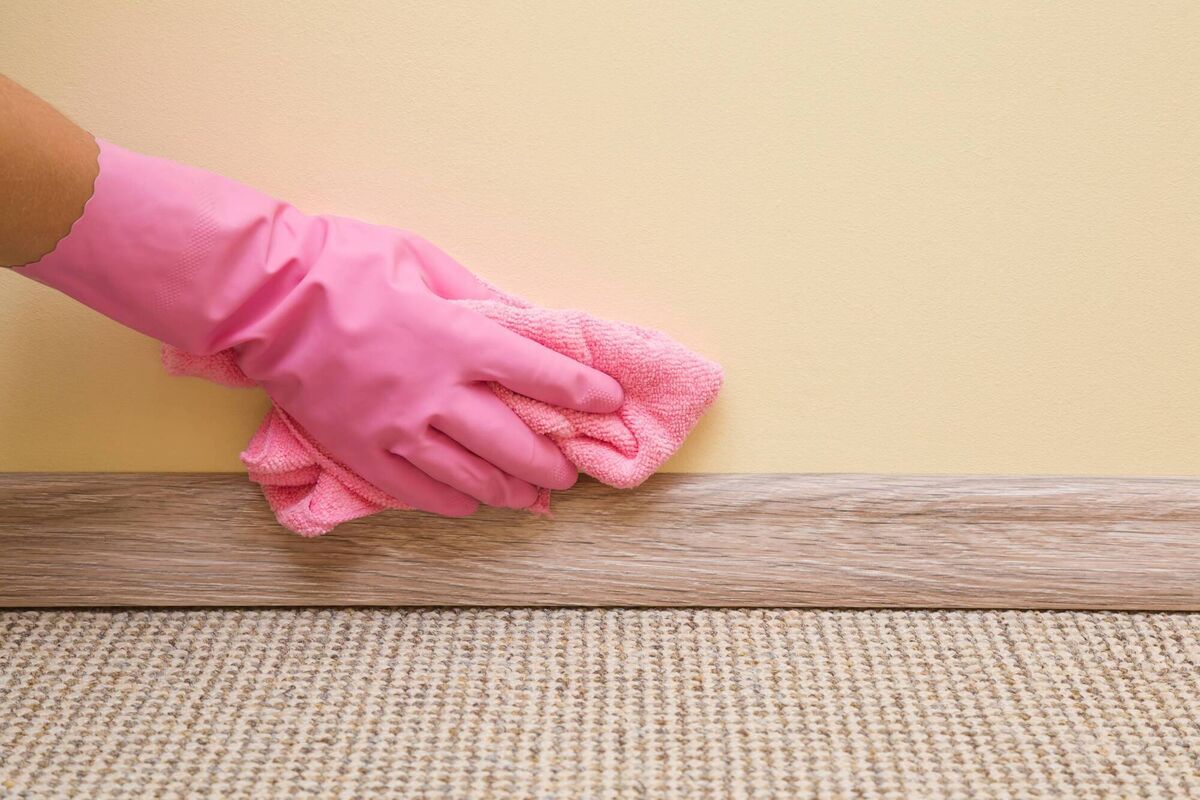
With the exception of tiling or in the case of a major domestic incident, most of us do not need to “wash” our interior paintwork — probably ever. You cannot “freshen” up paintwork that’s oxidised by washing it over — it must be repainted.
First of all, never attempt to completely wash down super-flat matt painted walls or any wallpaper. If you do, you will enjoy a cloudy, horrific fresco that will never return to its exquisite perfection. Wallpaper will most certainly lift at the seams and can develop small tears, even wipe-friendly varieties.
Carry on, and you will most probably have to redecorate the room. Secondly, interior walls often carry accompanying furniture and electrical outlets. The last thing we want is quantities of water actually running down the paintwork into wiring and into tiny gaps where it could make raw timber swell. Getting behind uneven skirting boards, onto carpeting, splattering unsealed surfaces — imagine the vandalising mess you could create.
If you want to remove superficial dust or clean walls down before painting, for example, think barely damp wiping, not wet washing. Outside walls can be washed, even power-washed if you don’t have a slightly brittle render like brick or exterior insulation (the Wrap).
Indoors, take it easy. One dull afternoon when the hamster on the wheel in my brain was winging along, I decided to test out the bucket-of-muck results shown by urgent influencers for myself. I still restrained myself to barely wet wipes on my pure-white vinyl soft sheen, the sort of cleaning I would do to my solid wood floors and intended to dry in just a few minutes.
There’s no break in the paintwork likely to allow moisture into and under any paintwork to the plaster, something that could lead to bubbling, flaking and even the introduction of mould spots.
Once we are sure we are dealing with a wall we can wipe safely, we need the right tools with adequate reach. The key thing is not to over-wet the walls, so don’t jump to some influencers' happy-clappy technique that includes any large slops of liquid, no matter what’s in it.
Articulated mops are regularly used for cleansing walls on Clean-tok. Many feature dedicated bucket and wringer sets that press water out of a micro-fibre pad like the Joymoop (€48 on eBay.ie). Immersing a pad, you can sup up a heck of a lot of solution. Instead, start with any clean, flat, soft mop with an articulated head. Dampen this non-scuffing, clean pad with a light spray of water shaken up with a dash of dish soap.
I used this latter approach, carrying out a full, delicate dry-dust before spraying a flat pad mop. I cleaned the pad with one tight rinse and wrung it out before proceeding from one wall to the next.
As with all high cleaning, work downward as if painting the wall with a roller, and don’t smack the head of the mop or any brush roughly on the surface.
Stroke it lovingly and don’t scrub too hard, as this can and will alter the texture of many paint finishes. Ensure the skirting is clean, and throw a clean dust sheet over any carpeting, as nudging it, you can pick up dust and hair and conduct it back up the wall.
I broke out my smallest step ladder, as it was just enough to allow me to get 250cm up the wall without strain, and to maintain a reasonable pressure and consistent contact.
The results? Well, I do live in the wilds, I don’t have an open fire, and I don’t smoke, so perhaps that meant my walls were reasonably clean, but aside from some crunchy old spiders, I really didn’t get much obvious dirt off the walls that showed up in the rinse water.
This makes me question the dramatic results of wall cleaning on social media. Did they muck up the water for clicks and clout?
Generally, all you need to do to clean painted walls, plaster finishes, and tiling is to sweep them down lightly and carry out careful spot cleans with a non-abrasive cloth or small sponge.
Sugar soap dissolved in water or bought as a spray is suitable for completely cleaning a filthy wall before redecorating. Follow the directions on the bottle to the letter.
Magic eraser products are not intended for matt paint, so don’t lean in or you will create a mark that can only be fixed by repainting. If the paint has been there for more than 18 months, it’s likely to have been altered by oxidation and UV light, and touching up will create highly visible repairs.
Make a paste of baking soda and water and use this to remove stubborn stains, wiping off with clean water and a dab of a clean, soft cotton cloth.
A little white vinegar will cut through most greasy stains, but again, remove the mixture completely when you’re happy. Using any product, even a natural mixture, find a discreet area, say behind furnishings and spot-test, as the paint may react in unexpected ways.
- Got a question for our Home team? Email home@examiner.ie
CONNECT WITH US TODAY



Be the first to know the latest news and updates