Jennifer Sheahan: These are the biggest home renovation mistakes to avoid
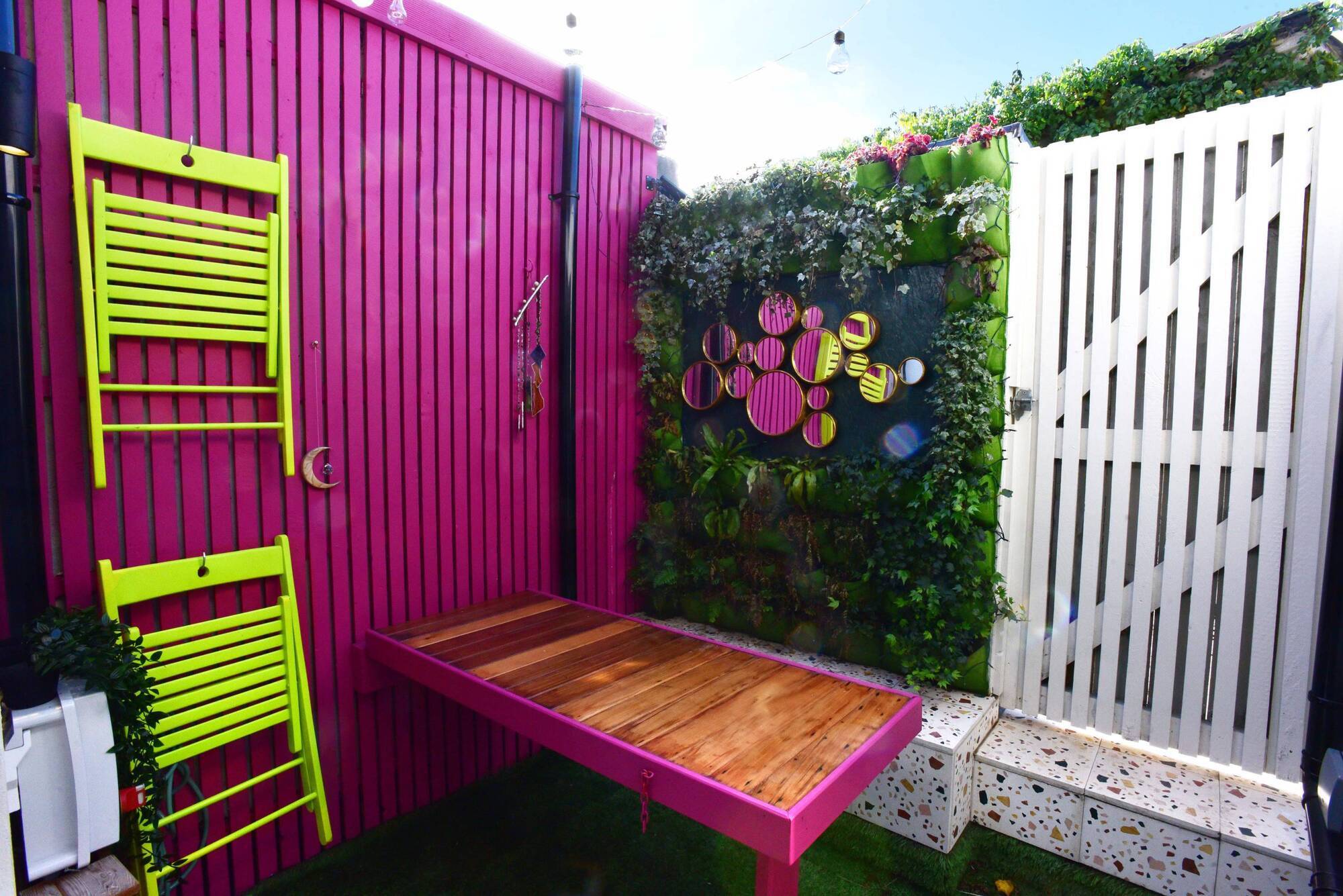
Spending money on a sump pump has saved Jennifer from costly rain flooding damage during Storm Eowyn. Picture: Moya Nolan
There are many of you reading who will only ever renovate a home once (if ever). First-timers, bright-eyed and eager, armed with plenty of enthusiasm but little experience.Â
Undertaking a renovation is hugely exciting but if you’re not at least a little daunted then you’re deluded. Renovations are hard work, fraught with the potential to go very expensively wrong.Â
Fear not though — done right, they are so worth it. Just listen to us elders, those who went before you, we who made the expensive mistakes and are here to steer you in the right direction. History doesn’t have to repeat itself!
Look, I understand — it’s really difficult to get a straight answer on how much your renovation is going to cost. You’ve asked your friends and tried to get estimates online, maybe you’re one of the people who message me daily on Instagram asking how much to expect to pay (I don’t mind getting your questions incidentally — find me @workerscottage).Â
But don’t make the mistake of ploughing ahead without clear visibility of how much it is likely to cost, and crucially how much you can afford to spend. Knowledge is power, and diving head first into a renovation without having a very clear idea of how much you have to spend is a huge mistake.

Spend time upfront going through your finances and allocating an upper limit to your available spend. Then write down everything you will need to spend money on. I did this in Excel and put literally everything in there, from solicitors fees all the way down to toilet roll holders. For anything big, such as a kitchen, I went and got a minimum of three quotes.Â
For anything I couldn’t find a definitive price on, I asked as many people as I possibly could what they paid for theirs and assumed the highest price would apply to me (better to be pleasantly surprised than in debt!). I know what I’m saying sounds tedious, and it is, but I promise you it’s worth it.
When planning your budget and wondering how much to allocate where you should prioritise foundational elements of your home that will be difficult to replace. Spend money on good windows and doors, flooring, a modern heating system, and sturdy plumbing.Â

My ground floor is dropped slightly below street level to accommodate adding a second story to what was a bungalow cottage, and I almost chose not to install a sump pump in my back garden, thinking at the time that we don’t get storm levels of rain very often here in Dublin. My-oh-my, was I ever glad of it during Storm Eowyn, and many times before that. I nearly made the expensive mistake of flooding my entire home. If you need to pull back on your budget, identify areas where you can buy affordable items now and upgrade later, such as swapping out furniture or even changing laminate for stone countertops.
The most exciting part of planning a renovation is browsing Pinterest and Instagram and all the beautiful home magazines and thinking about what colours and fabrics to choose in your new dream first. Those decisions are all important, but what must come first is to plan how you will use the space. Reflect honestly on your daily life and plan accordingly. Consider how you use your kitchen — do you need a large sink, easy access to heavy pots and pans, and storage for baking paraphernalia?Â
Do you like to lie out on the couch in the evenings or do you prefer to sit around chatting in armchairs? Where is the best light in your home and what time of day do you get it? How much storage do you need in each room, and which items do you use the most?Â

What surfaces should be easy to clean? Where do you need plugs, and where should the light switches go so that you don’t end up tripping over a coffee table on your way to bed at night? Designing for how you use the space, and planning your layout and materials accordingly, will make life in your home infinitely more enjoyable. Once that is done, you can go on to choosing the perfect colours and accessories!
If I were to sum up this entire piece in one word it would be this: plan. Plan your budget, plan your layout, and plan your colours and materials. Cohesion is key to a fabulous home, and you achieve it by creating a mood board and a shopping list — and sticking to it. Put together a bag containing samples of all your chosen materials, such as tiles, paint, flooring, and fabrics, and bring it with you everywhere.Â
Also, put a measuring tape in there — I will never get over how many people arrive home with furniture that simply will not fit in their house.Â
When you’re out and about, it’s too tempting to pick up a fabulous and rare item that catches your eye — only to take it home and realise it doesn’t quite suit your colour scheme like you thought it would. You will either end up with a chaotic home or expensive rubbish if you don’t create a plan for all of the important design elements of your home before you pull the trigger on purchasing!