Bathroom Blitz: Taking it from pong to paradise
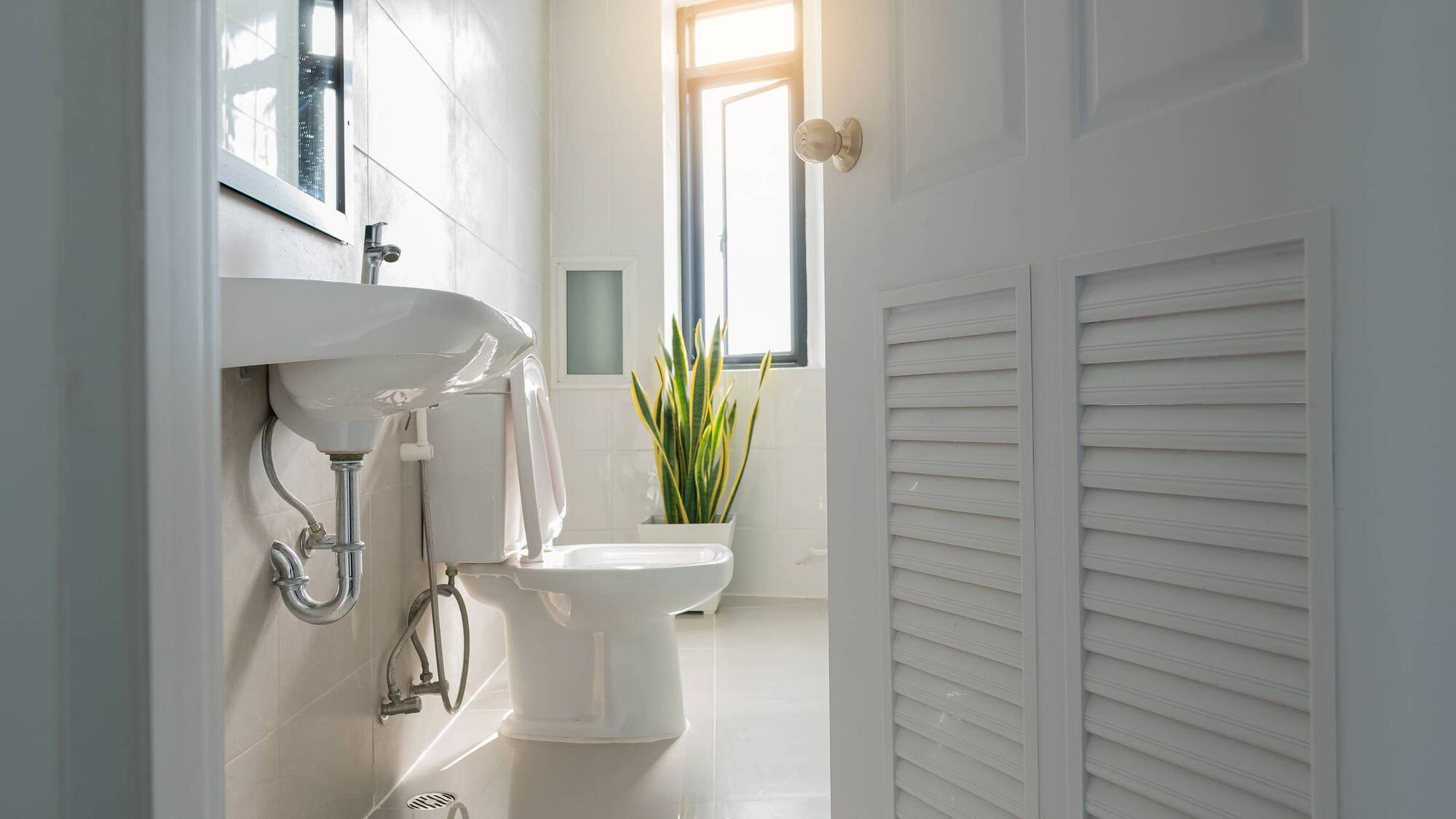
If the bathroom keeps producing a signature eau-de-toilette — investigate your ventilation. File photo
Even in a Georgian terrace, with shrubs of Venetian crystal clouding every ceiling, if the bathrooms harbour the faintest biological pong — the show is over. Here are some proven hacks to make every level of bathroom blitz more sustainable and effective (even if you’re nose blind).
First of all — caddy up. You only need a few tools and the odd spray to keep a bathroom in order. With the dastardly doings in any family bathroom — we won’t share this arsenal. Pick up a cheap washable, plastic trug, and keep it solely for the bathroom.
The single most important thing to put in first is two pairs of long rubber gloves. Sorry, but we cannot properly clean a loo without reaching into the bowl, and if we don’t creak down onto hands and knees from time to time, chances are there are grunge-filled corners around the floor tiling.
Bathrooms carry bacterial and even chemical hazards as standard. Even white vinegar sitting on your skin is acidic, and bleach will cheerfully burn a hole in your hand. If the rubber troubles your skin, or you sweat inside them, put on white cotton gloves first. I prefer to keep dedicated, heavy black “loo” gloves separate even from the trug, and colour code my cloths.
Next up, we need something for swift wipes and spot clean splatters of soap, toothpaste and make-up. For everyday sparkles to mirrors, taps and sink aprons, carry a working bundle of clean, washable, microfiber or cotton weave cloths, and a lubricating spray with disinfecting muscle.
50/50 white vinegar in water in a small 500ml spritz bottle is perfect for taps, mirrors, glass and blots on tile. Put a drop or two of essential oils in your spray bottle for a fresh scent. Don’t slop neat vinegar, lemon juice or powerful commercial brews on plated ware (that includes chrome even on loo hinges).
Left in a residue, green and chemical cleaners can dimple, dull and lift the surface over time. When your toothbrush needs replacing, give it a hot soak, a quick flick to dry, and slip it (head up) into your trug. It’s perfect for fishing around weird spots like the shower door rail.
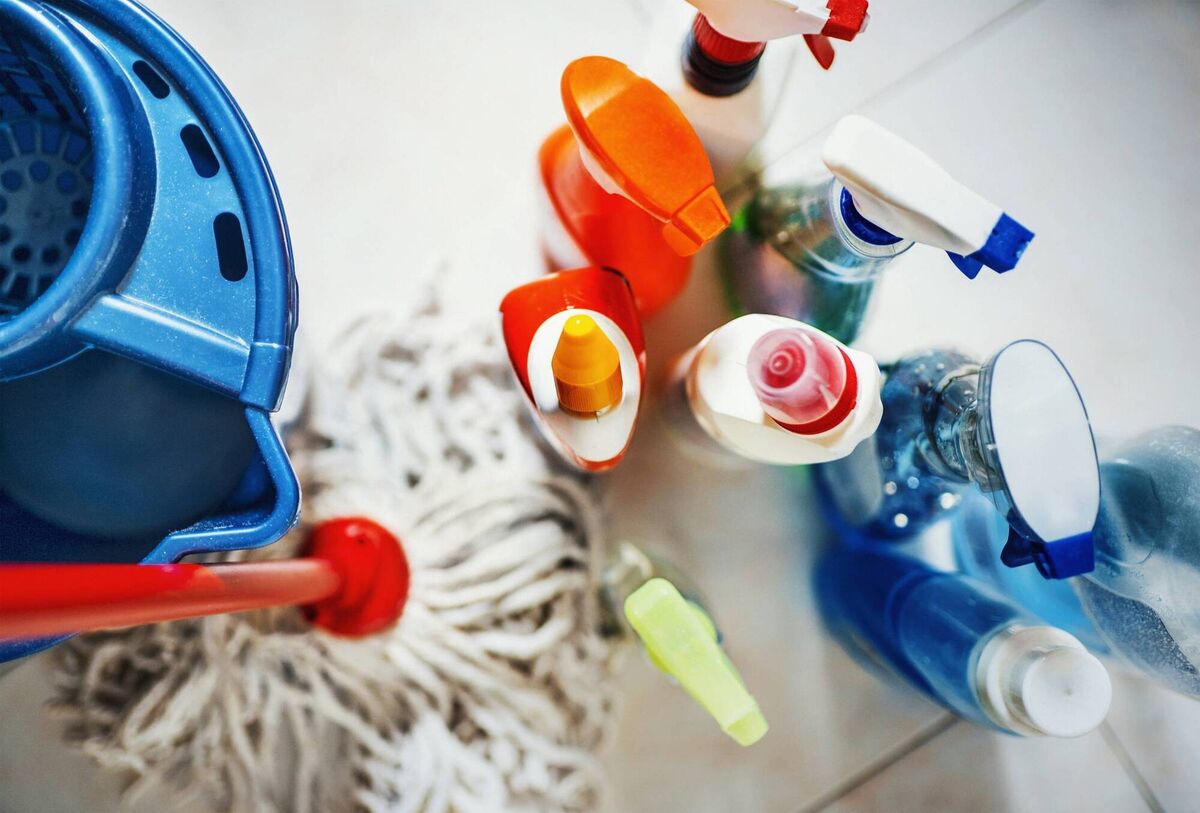
Using commercial sprays (we’re not judging), no matter what the maker croons about “natural” this or that, or how hypnotising the scent, spray the product onto a repeatedly turned cloth, rather than broadcasting it into the air. Foaming products are safer.
Work with the window open, as traces of petrochemicals and dodgy surfactants do not belong in your lungs. Whip over the cleaner spot areas daily if possible (3-4 minutes work including a glance over light switches, door handles and the loo flush last to reduce bacterial load — covid still lives).
In your daily glow-up, pay special attention to the base and undersides of the taps where soap scum accumulates. Now, throw the daily cloth in the wash basket.
Moving on to fortnightly deep cleans and biannual chores — work down, starting with a ceiling and wall swat.
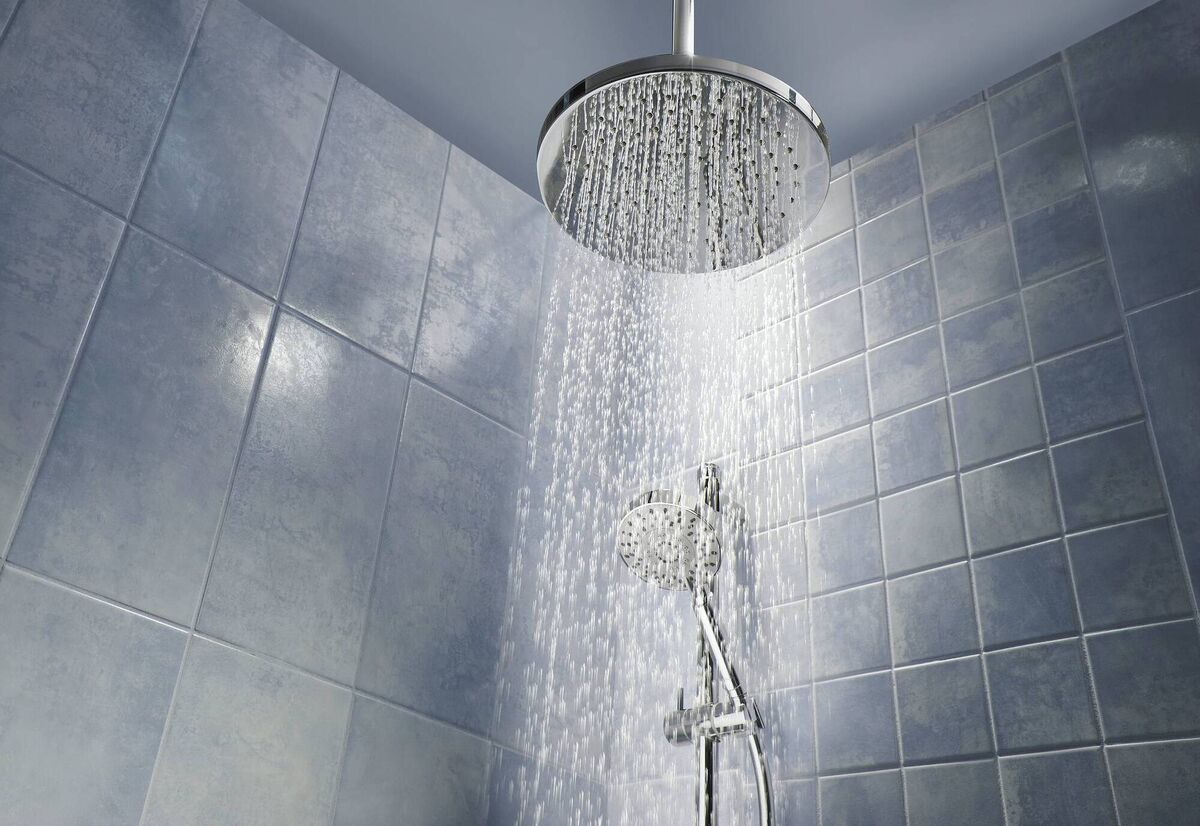
Shower heads are superb at sieving and collecting mineral deposits from harder water. Over time this will slow your flow, and send jets that are out of alignment into your puss. If possible, remove the head, and soak it for a few hours in neat white vinegar poured into a generous plastic bag or suitable bowl.
Shake any grit back out of the piped end and use a toothpick to winkle out stubborn grot in the spray rose. If the head doesn’t come off easily (never force a plumbing point), tie a plastic bag onto the shower head to immerse it in the vinegar. Again, because of the plating, it’s important to limit the time. Rinse the solutions entirely off, and through the shower head when you’re done.
Around the rest of the bath and shower, a paste of bicarbonate of soda with or without vinegar offers a safe, non-abrasive scrub paste for taps, wastes, and grabs. Some users like to add a good gloop of Castile soap, and 6-8 drops of spearmint essential oil for a fresh hit.
Use a soft, clean cloth with no grit caught in the weave that could leave scratches, and rinse to remove any foggy bloom. Running into the waste this confection will also clean the drains and clear the traps on the way through.
Another handy gentle scrub? Slice a lemon, dust it with salt and rub it over stubborn stains. Rinse thoroughly. Cheating? Washing-up liquid like Ecover offers safe plant-based ingredients, from €5 for 950ml. Just slightly fill the bath, squirt and get after it all with a soft brush.
Use gloved hands to tease hair out of the plug holes and take shower drain covers apart at least once a month. They are slimy with human shed and soon stink. Hand-held steam cleaners with a small head attachment are fantastic for murdering germs and teasing grot from around taps, shower heads, trays, tiles, drain covers and the edges of baths with just the power of heat and water.
Tuck a clean microfiber cloth in your belt loop, and follow with a balletic buff to the shiny stuff. For something off the shelf, Astonish kitchen cleaner, that humble grey paste is primarily made up of Silica Flour, something that can be released into the aquatic environment at the end of your sewer pipes without worry. €2 a tub.
Any shower offers a daunting terrace of 2m high panels to deal with. It’s possible to keep that enclosure and/or door glittering to the level of near invisibility between quick spritzes. First up — keep a shower squeegee in the shower and insist it’s used before the user has skipped out of the cabinet. Good luck.
Secondly, you can use a shower spray after every shower. We use the Method Daily Shower Cleaner with lactic acid and decyl glucoside from corn starch. This dissolves, preventing soap scum and lime deposits, and has a heady, safe, passion-fruit scent too. €4.90, evergreen.ie. Don’t apply any product to porous, natural stone before a spot check.
Finally, for occasional full soapy washes, try a window vacuum like the Karcher WV1 (from €59). This will suck up the moisture for a streak-free clean on glass and tile. Ensure the rubber blade is immaculately clean if it’s doing double duty with exterior windows.
Now to the principal villain — the loo. Snap on those loo gloves and a paper mask if you’re faint with dread. Assume there’s a germ-laden skirt around the floor here if you have boys (even if they are the golden shot, you cannot see it).
For brushing away splatters, and rings caused by limescale, your baking soda paste is ideal if you don’t like to work with bleach. Rub it right under the rim of the loo, through the U-bend, and spray all exterior elements around the bowl and seat with your water/vinegar mixture. Leave to work while you get on with something else.
The final wipe should be to the flush mechanism and then the already clean seat and lid with an immaculately clean cloth and some form of disinfecting spray. When you finish, give all your gloves a hot soapy wash with your hands still in them, and leave them to dry.
If the bathroom keeps producing a signature eau-de-toilette — investigate your ventilation. Chances are it's inadequate, with poor air exchange rates, condensation and creeping damp undoing your efforts.
For everyday odour control, fill an attractive clear jam or preserving jar with baking soda, drop on your favourite combination of essential oils (go high with 10-12 drops). Add a decorative paper lid fastened with a thick rubber band, and poke holes on the top with a pencil to release the gorgeous scent.

CONNECT WITH US TODAY



Be the first to know the latest news and updates