Peter Dowdall: Now's the time to draw and plan your dream garden
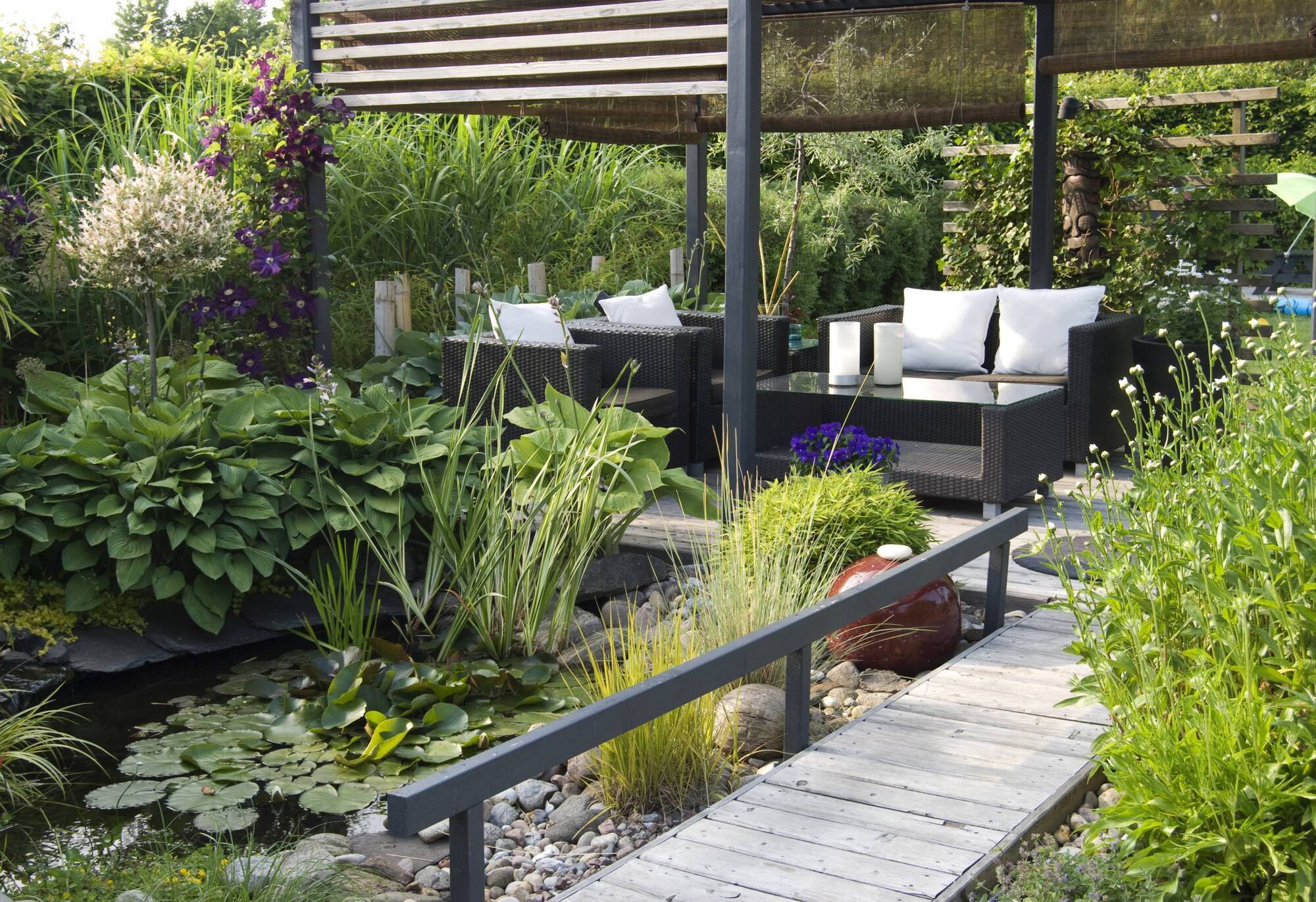
Now is the time to design your dream garden, advises Peter Dowdall. File picture
Well, it's all over once more and we’re back to normal. January is a month which can very often go under the radar when we may just keep the head down and hope for spring to arrive as quickly as possible. But this is a month of quiet promise, a month where the groundwork for a fruitful year is laid.
Gardeners always need to be thinking at least one season ahead and now as everything is happening slowly in the garden, we can get so much done, in preparation for the months ahead.
The garden may appear dormant, but beneath the surface lies all the potential, the magic is there, just gurgling away.
Potential in the garden isn’t as expensive a word as in nearly all other aspects of life. In fact, the potential in the soil is free and available to all of us, to just tap into. January is the month to prepare, dream, and nurture the beginnings of what will become a thriving garden in the months to come.
Edwin Way Teale was a 20th-century American naturalist, photographer, and Pulitzer Prize-winning author. His work celebrated the changing seasons and the natural beauty of the United States, inspiring readers to connect with the environment emphasising the importance of protecting natural spaces and fostering a deep appreciation for the environment.
In Teale's words: "January is the month for dreaming and doing, for beginnings and hope, as we turn to the promise of tomorrow."
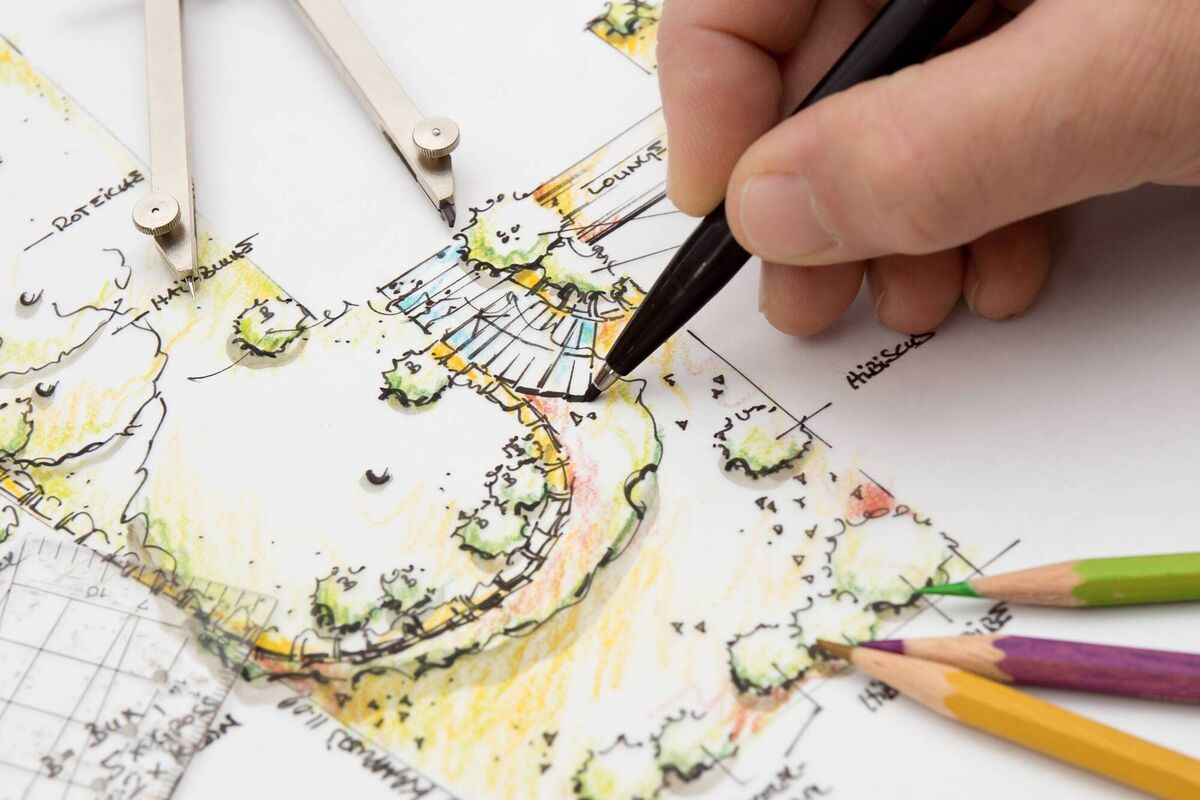
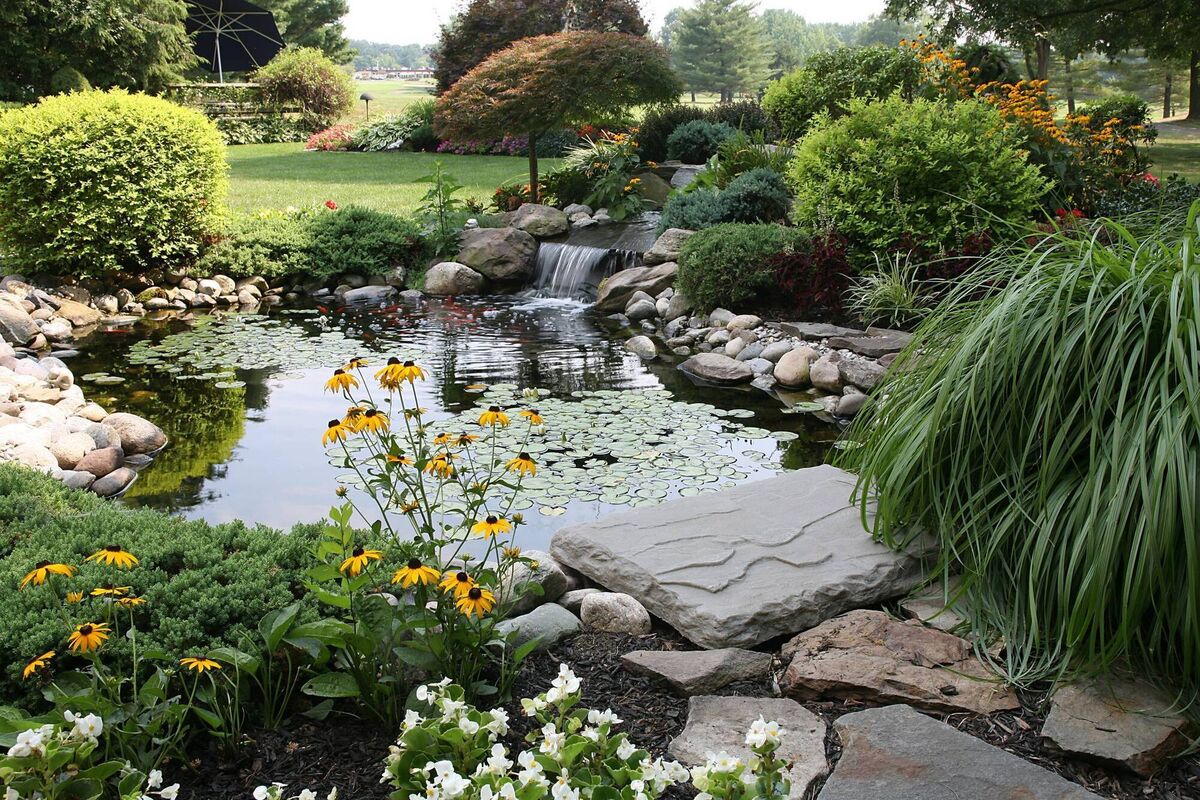
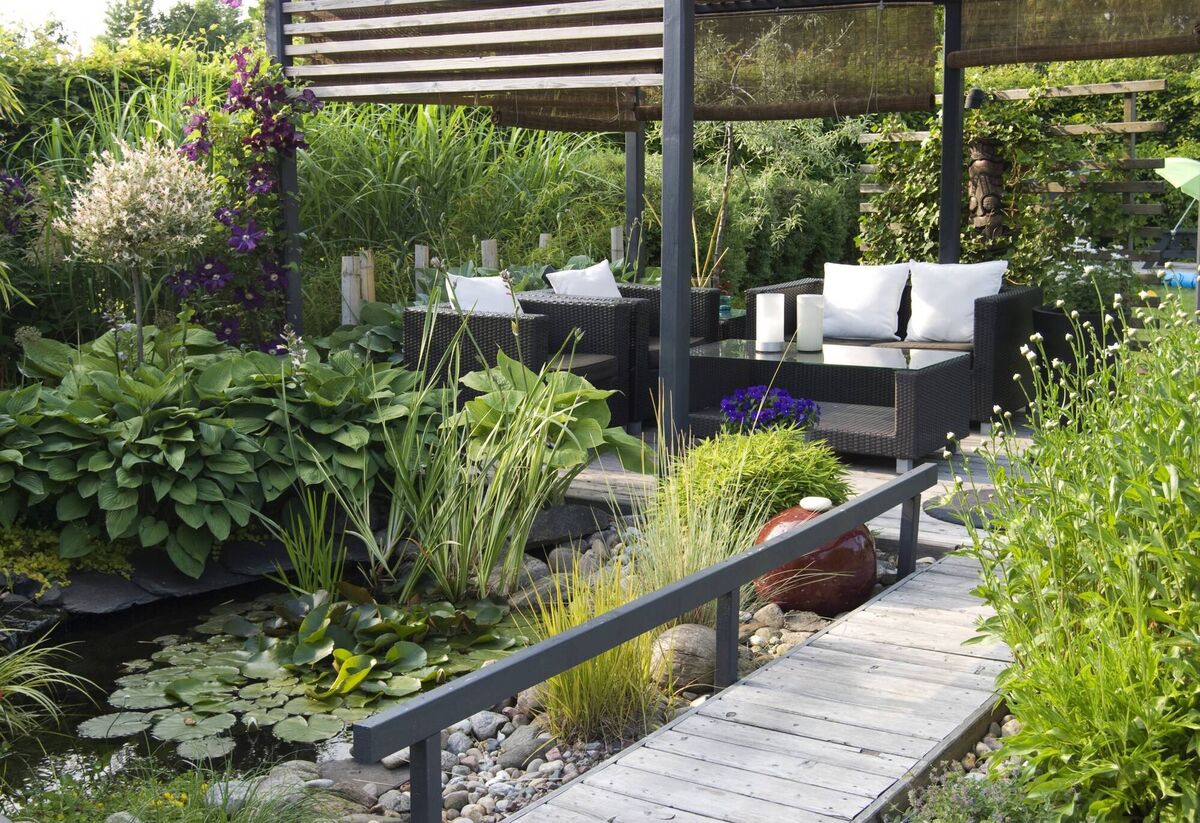
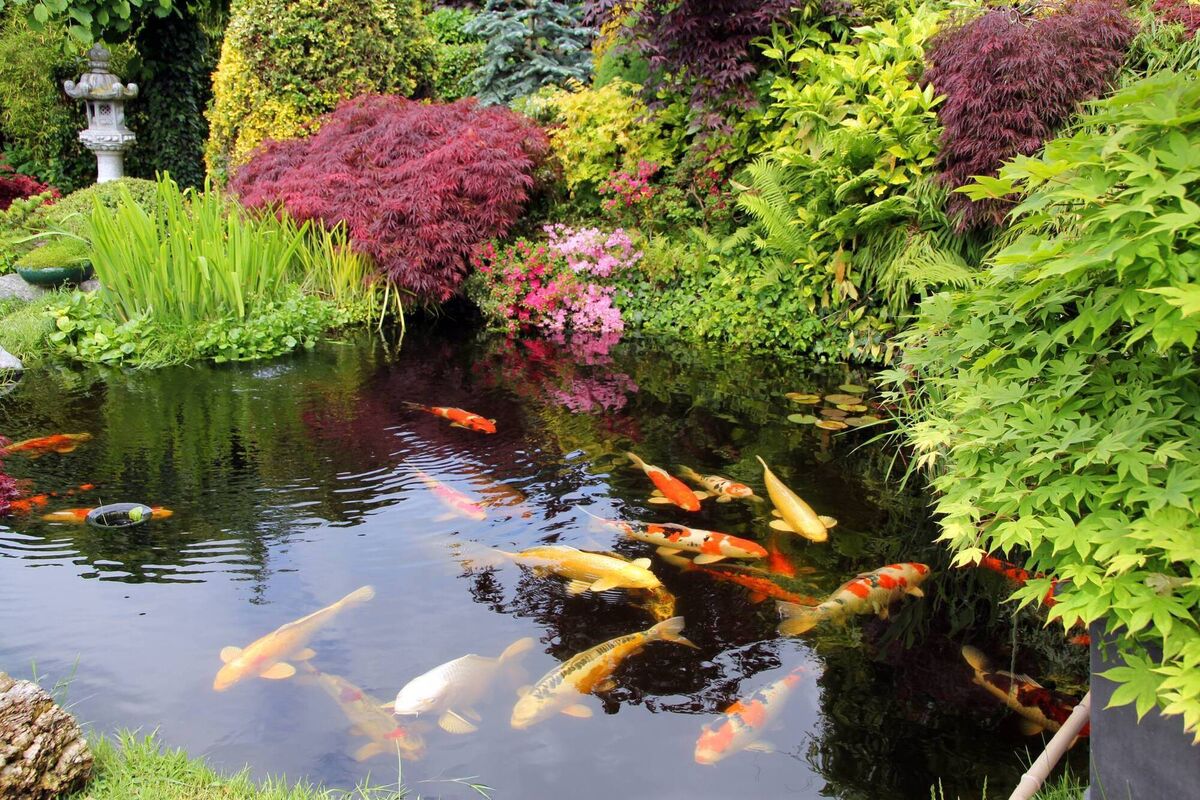
A dream can begin with a drawing, use this quiet month to outline your garden's layout. Consider incorporating new features, such as raised beds, wildlife-friendly features and plants, water features or even a plunge pool.
It’s your garden so your imagination should be the only limiting factor. Sketching your ideas will help you to visualise the changes and prioritize tasks.
This is the perfect month for a spot of armchair gardening. Ever since I was a small child, I have delighted in spending hours pouring over seed catalogues and dreaming about how my garden could be. Of course, nowadays, we pour over screens and get our inspiration from sites like Instagram and Pinterest along with the websites of the seed suppliers and garden centres.
Not meaning to do any of them a disservice but, I can’t get as excited, looking at an image on a screen as I used to with the physical paper catalogue in my hand. The RHS Seed Scheme is a benefit for members of the Royal Horticultural Society (RHS) in the UK, offering the opportunity to purchase seeds harvested from RHS Gardens.
Each year, a dedicated team at RHS Wisley would compile a seed list featuring approximately 200 species, encompassing annuals, perennials, trees, and shrubs.
Members could order up to 10 packets of seeds from the annual list for a nominal fee. I write about it in the past tense as, though it is still going, everyone’s favourite 6 letter word, Brexit, has stopped it from being available to members outside of the UK.
As a child, I spent days searching the lists over the years and researching what each of the plants were, deciding upon my selection and then enjoying what would come and what would grow. A lot, but not all of them grew, such is one of the joys of gardening, it's so much trial and error.
Though January isn’t typically a month for heavy outdoor work, there are important tasks to keep your garden in good shape and prepare it for the coming growing season.
Now is an excellent time to check on your compost heap. Turn the pile to aerate it and ensure materials are breaking down effectively. Add kitchen scraps and garden waste to keep the process active.
Hopefully, you will be adding this to your garden soil during the year, so prepare it now and let nature and the weather do the work.
Adding organic matter such as well-rotted manure or compost which is already good to go, will improve its nutrient content and structure.
There was a time when all garden plants were grown in nurseries, in open fields and were lifted during the winter months for sale and supply. This was the only time that you could get new plants for you can’t remove growing plants from the soil during the summer months. It's how the saying that you should only plant during a month with an “r” in it originated.
Nowadays, nearly all plants are grown in pots and are thus available and can be planted during the 52 weeks of the year except when the ground is waterlogged or frozen.
However, some plants are still grown in nursery fields, namely hedging plants and trees. January is slap bang in the middle of the planting season for these bare-root specimens.
One of the advantages of planting bare root plants is financial, it is a cost-effective way to establish new plants as bare root plants will be a fraction of the cost of potted specimens.
There is also a big environmental benefit as you won't have the wasted plastic pots to dispose of and also, bare-root plants can often establish a good root system in the soil quicker than those plants grown in pots.
Draw, plant, compost, be inspired now during January and you will reap the benefits in the seasons ahead.

- Got a gardening question for Peter Dowdall? Email gardenquestions@examiner.ie
CONNECT WITH US TODAY



Be the first to know the latest news and updates