Dry November: Stay snug with our advice on dry-lining your walls
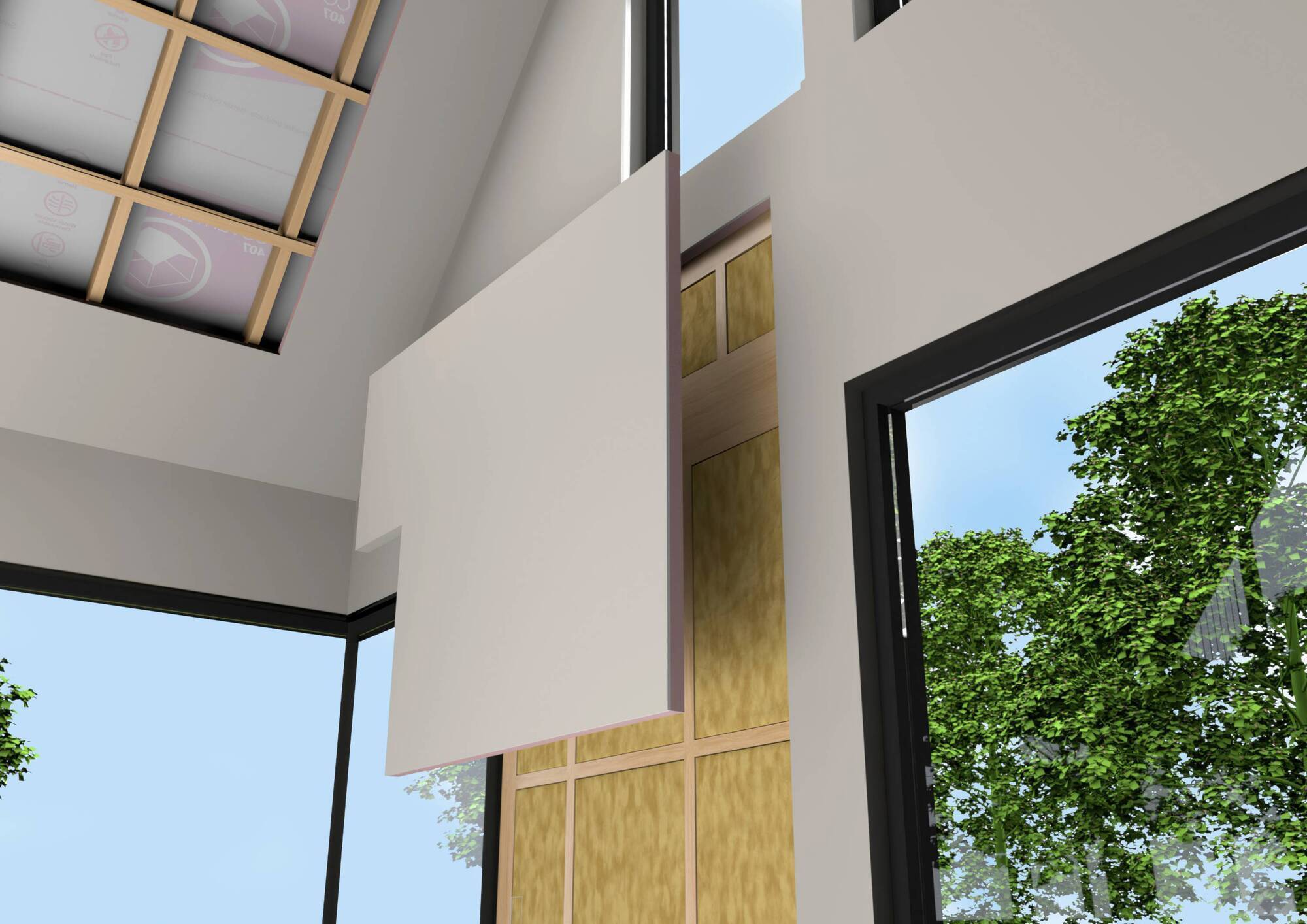
Generally, dry-lining is suited to both solid block, cavity block and timber framed walls
Dry November: Stay snug with our advice on dry-lining your walls

If you have an older timber-frame home, you might want to take this opportunity to remove existing plasterboard and reinstate more effective insulation into your frame, writes Kya deLongchamps. Picture: Kingspan K17 boards

The idea of dry-lining is highly familiar in Ireland, where for decades, families attempted to warm up their freezing outside walls, often shoring up a range of damp issues with a shallow timber frame, stuffed with fibre-glass batting, disguised behind plasterboard. The results were often catastrophic, leading to condensation issues and rarely improving, in any lasting way, the heat retention of the building.

In solid stone walls, typical of a cottage and many early farmhouses, dry-lining suffocated the property’s ability to “breathe” through its walls. It’s cheering to see renovators now tearing down these ropey improvements, following up damp troubles to their source, and putting in appropriate traditional French drains and insulation materials that can neatly and naturally wick moisture through the building.

Already a subscriber? Sign in

You have reached your article limit.

Subscribe to access all of the Irish Examiner.

Annual €130 €80

Best value

Monthly €12€6 / month

More in this section

Revoiced

Newsletter

Sign up to the best reads of the week from irishexaminer.com selected just for you.

Cookie Policy Privacy Policy Brand Safety FAQ Help Contact Us Terms and Conditions

© Examiner Echo Group Limited