Revealed: How wall beds transform any tiny home or small space
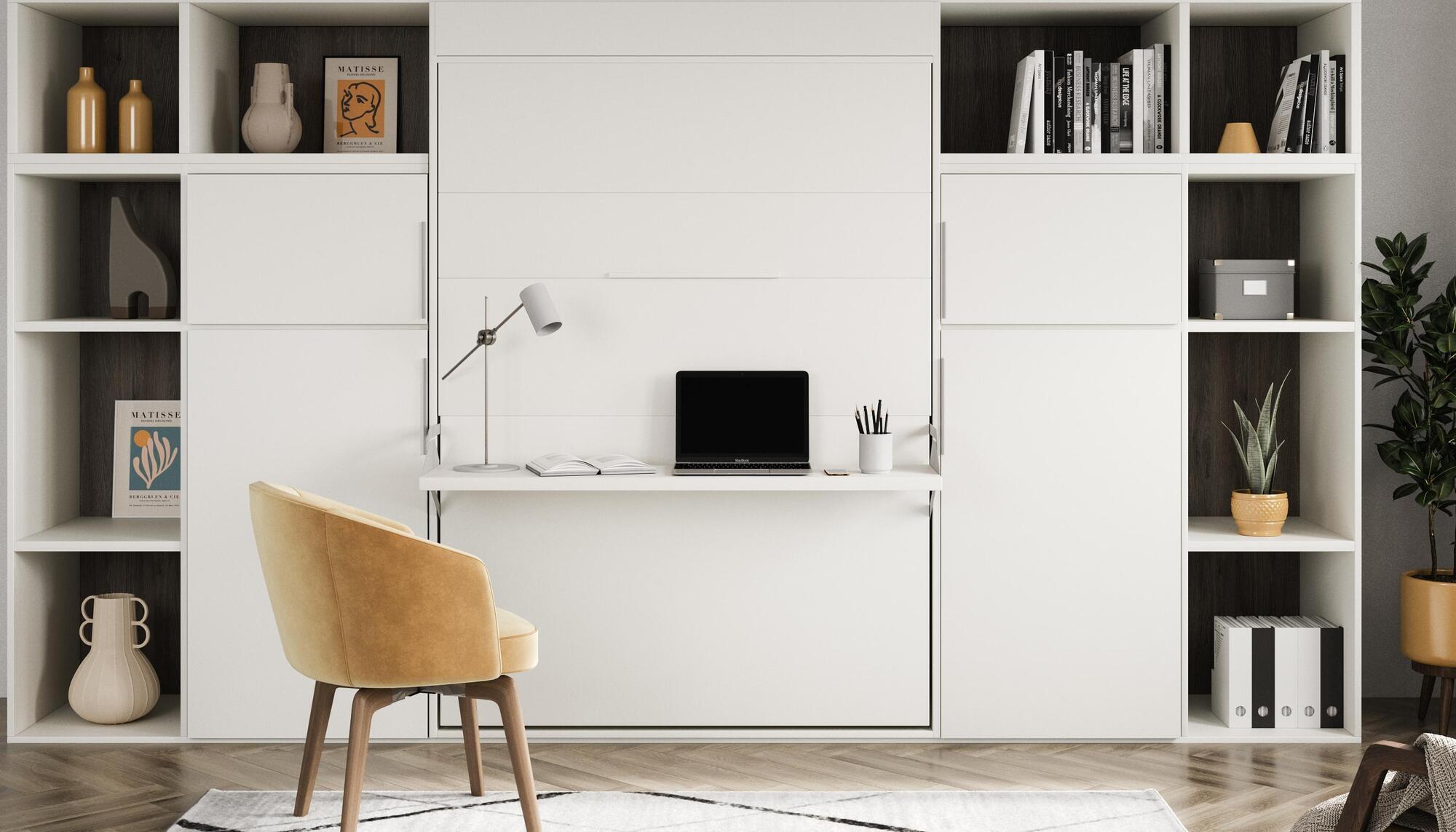
Folded out bed with hinged desk underneath from Wall Beds.
As a small homeowner I adore dual-use furniture and multi-functional rooms. Thus I have developed something of an obsession with wall beds. Anyone who asks for my advice on what to do with their spare room is told to install one.
I simply can’t think of any good reason not to (budget-allowing).
Wall beds, also known as Murphy beds, are beds that fold up and away against the wall, and they used to get a bad rap; in days gone by they were uncomfortable relics of dingy bedsits, but no more. Now they are sleek space-savers, transformer furniture at its best, here to help you maximise your spare room. Here’s why you should seriously consider installing one.
Most of us, myself included, have a sofa bed in rooms where we don’t have space for a regular bed. Mine is in my downstairs spare room, which I use as a home office most of the time. I love my sofa bed, and it pulls out into a very comfortable bed, but I rarely actually use the sofa part of it at all.
It mostly just sits there looking pretty. Not so with the modern wall bed, which cleverly folds away to provide you with extra floor space. If you live in a small home like me, then one of your best assets to maximise space is utilising vertical storage, and that’s why the wall bed wins here. Unless you actually need a sofa in your spare room, a wall bed is a more flexible option that provides you with more floor space when not in use.
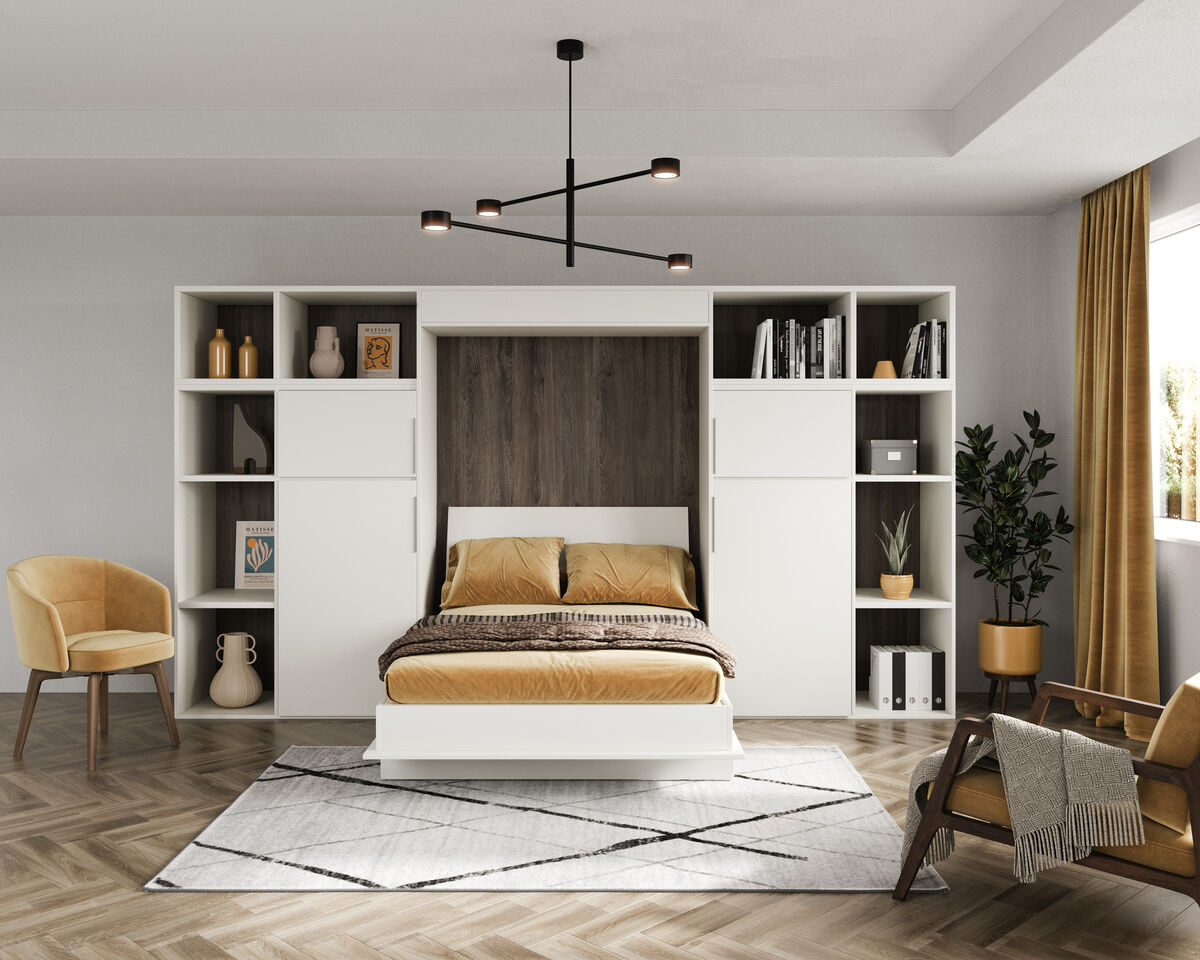
More floor space gives you more options to do what you need to do with your spare room when the bed is not in use. This could be your workout area, a playroom, space for your teenager’s drum kit, your partner’s model train set-up, or simply a minimalist area free of clutter. Beyond the freed-up floor space, the real star attraction of the modern wall bed is the versatility of what you can put on the back of it.
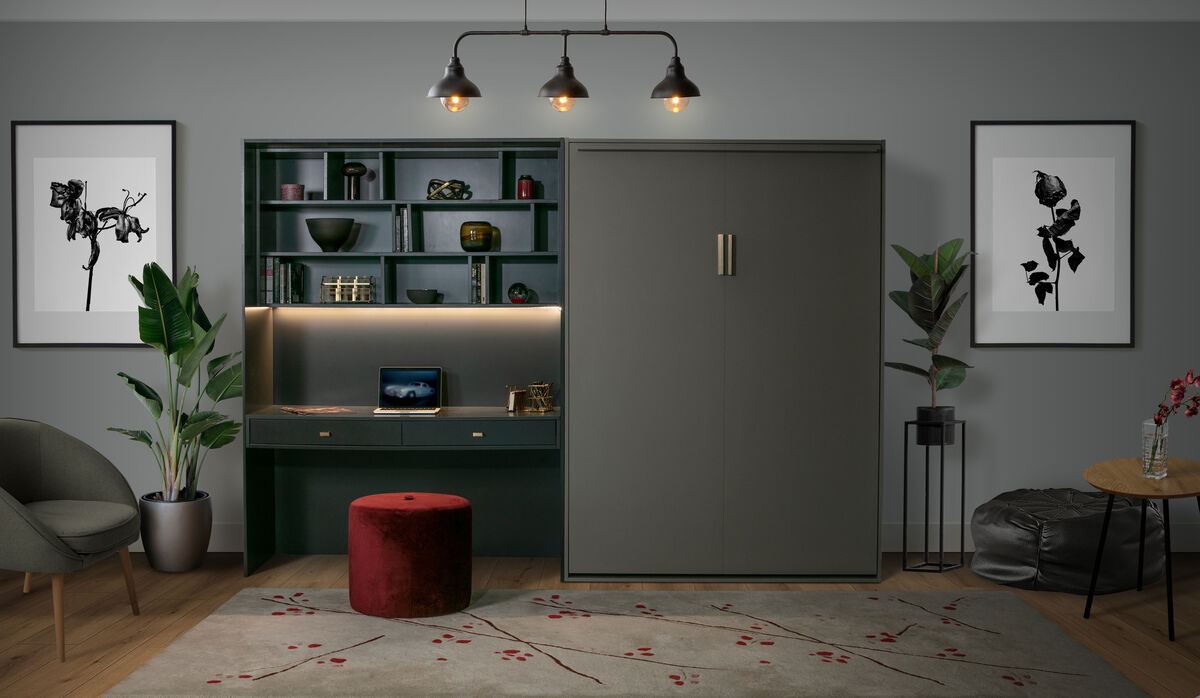
Of course, you could keep things simple, so that your bed blends almost invisibly into the wall when folded away, or you could opt for a wall bed with integrated shelves, cabinets, desks, and bookcases — the options are almost endless! Modern wall beds are basically the same as normal beds when folded down — they typically have wooden slats underneath and can support a regular mattress (although not an extra deep one). They come in the same sizes as normal beds, so you can flex to suit the space available.
Wall beds of old used to be unwieldy and awkward, usually requiring two people to fold away the heavy apparatus. Not so with modern wall beds, where pneumatic pistons assist you in easily lifting the bed up (similar to an ottoman bed).
In addition, the integrated accessories in modern wall beds, such as desks and shelves, often come with hinges on either side so that you don’t even have to remove items from the shelf before pulling down the bed — it simply swings as the bed moves to prevent items from falling off and disappears under the bed, ready to be used again when you fold the bed away.
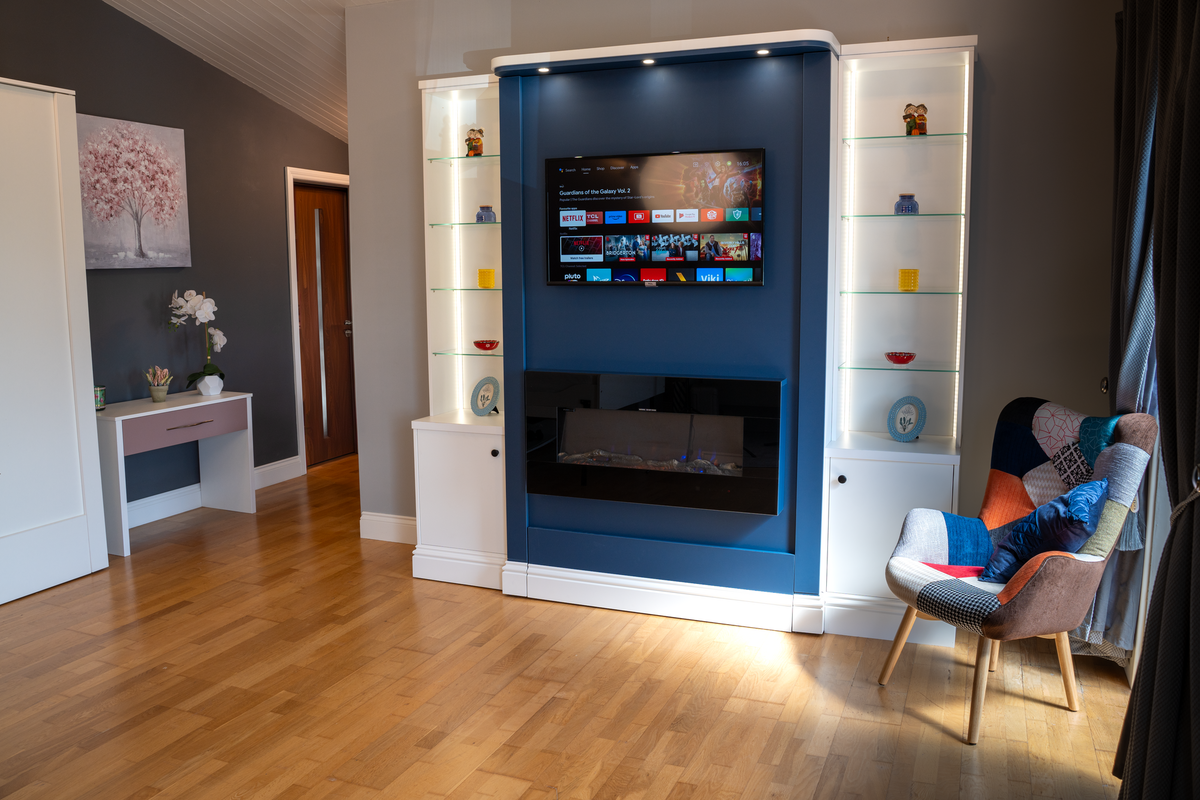
Good quality wall beds can also come with integrated shelves and even lighting behind the bed, so that you instantly have a full bedroom set-up. This is my favourite thing about a wall bed — the fact that you can literally just pull it down and have a spare room ready to go. You can even leave sheets, duvets, and pillows on the bed. Much as I am fond of my sofa bed, I do slightly resent the few minutes of effort it takes to remove the cushions and dress the bed every time I have guests.
Wall beds can be installed on either structural or partition walls, and can be folded away vertically or horizontally, so decide which size and orientation will work best in your room. If you have a very small room but need extra beds, you can get bunk wall beds which are fantastic for children’s sleepovers. Ensure you have enough available space to fold out the bed, and that the area will be easy to clear.
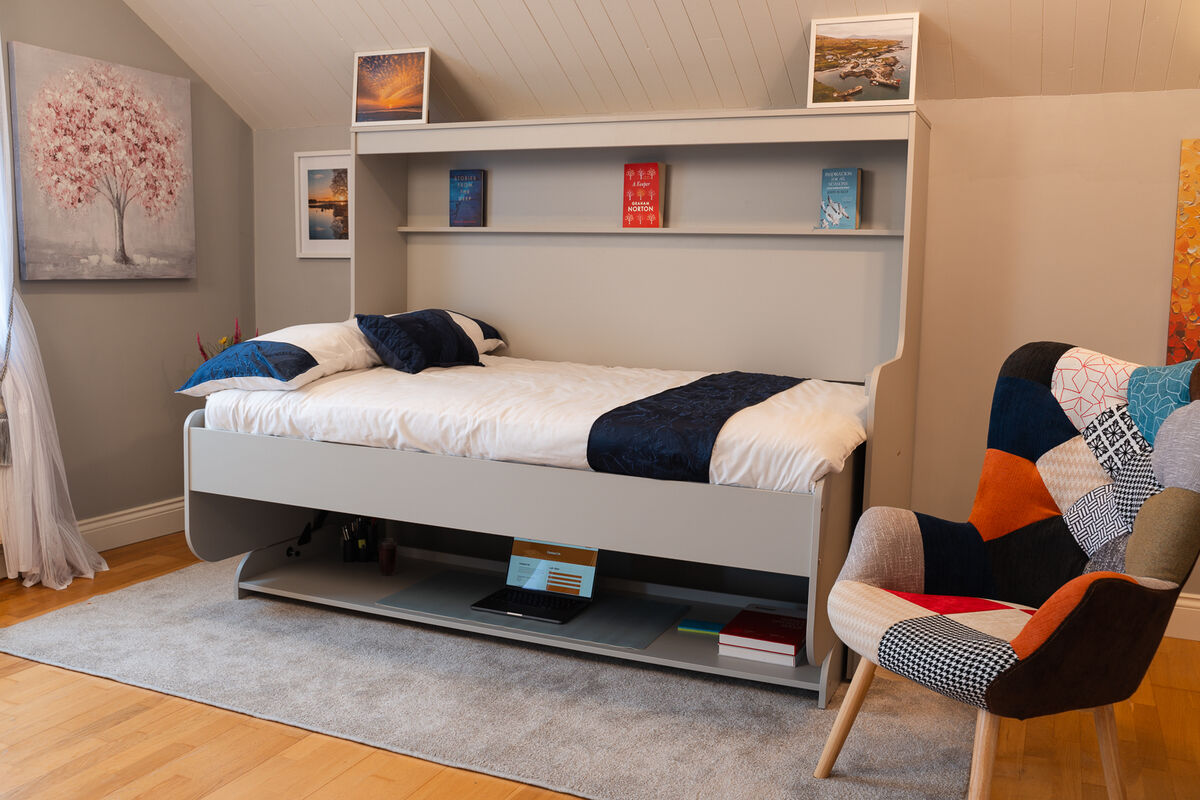
Be aware the benefits of wall beds come with a price tag — prices for a good wall bed with an integrated desk start at around €2,500, plus you will need to buy a mattress on top of that.
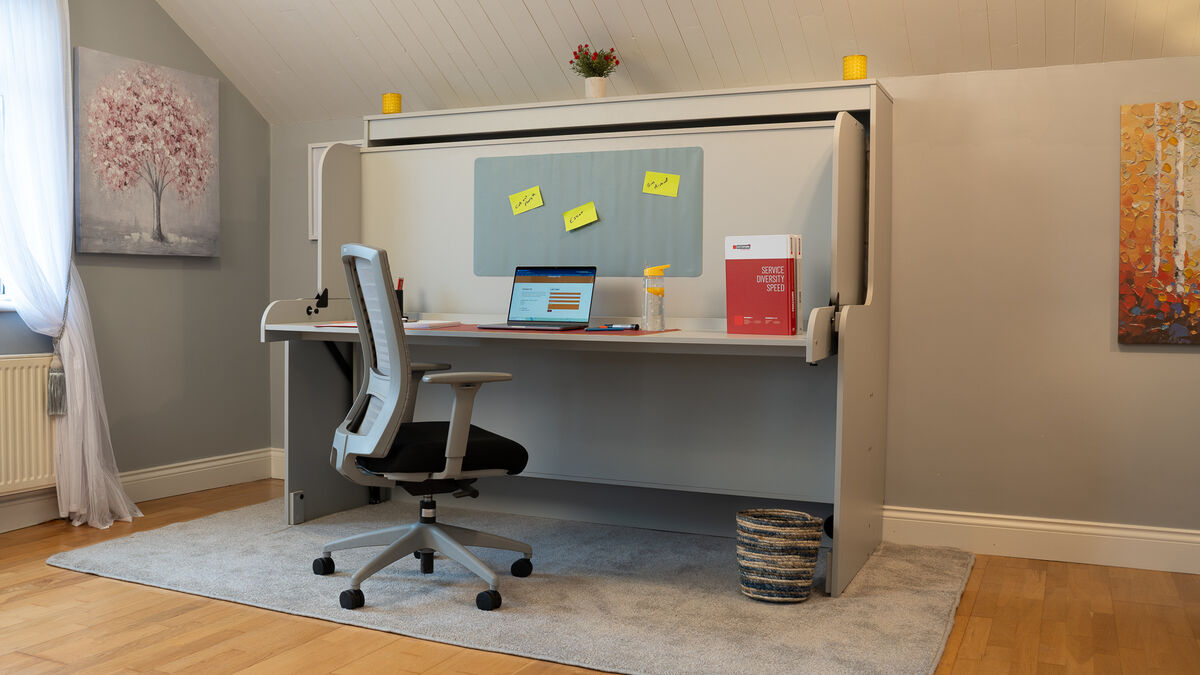
For a bed frame, a desk, and the flexibility of dual functionality that is quite good value in my eyes, but it is not a cheap solution. If the price doesn’t scare you off, think about including add-on units surrounding your wall bed (such as additional desk space, lighting, or bookshelves) so that you maximise the available space in a way that looks cohesive. It’s a good investment that will enhance the functionality and appeal of your home.


CONNECT WITH US TODAY



Be the first to know the latest news and updates