Peter Dowdall: Why hebe is an evergreen garden goddess
Peter Dowdall is a fan of the shrub named after the deity associated with youth in ancient Greece
Peter Dowdall: Why hebe is an evergreen garden goddess

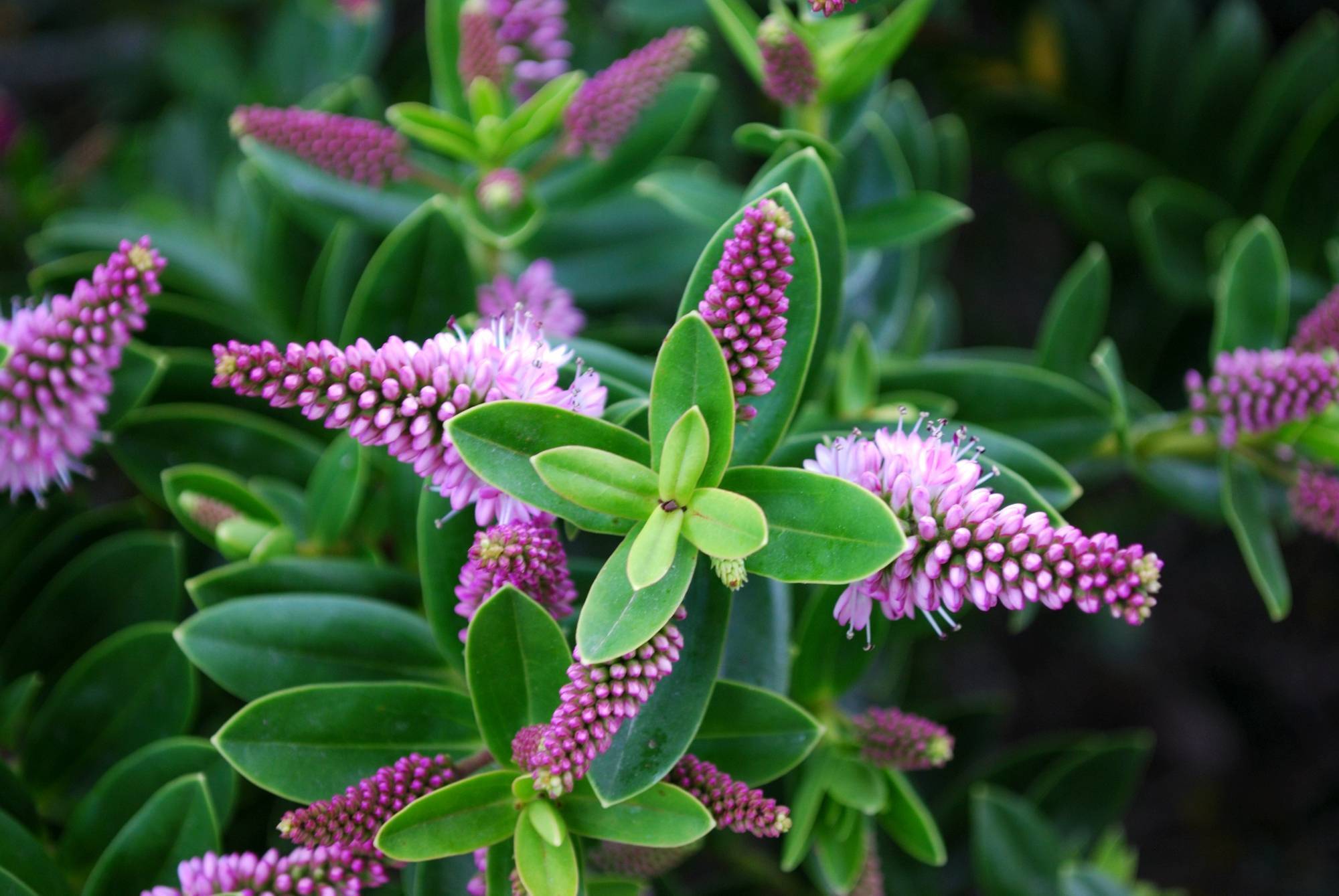
The hebe is a plant mostly native to New Zealand. Picture: iStock

Most gardeners have a few plants which which get under our skin, a particular genus which demands more attention than others — and which if you’re not careful can become an addiction. I am particularly enchanted by hebes among others. I have gone through periods of being “addicted” to rhododendrons and azaleas, camellias, campanulas and many other genera over the years but ever since I was a small child I can remember being mesmerised by these evergreen shrubs.


I still recall cracking open leaf buds to reveal the foliage inside and loving the flowers.

They still hold me spellbound. Named after Hebe, the Greek goddess of youth — which comes from the Greek word hebe, meaning youth — they have recently been renamed. From time to time botanists and taxonomists reclassify plants — in order to group together plants displaying similar characteristics — and hebes are now referred to within the genus veronica. They have, for many years also been known by the common name veronica — so this makes it official. Do not expect to see their name change on labels or in gardening circles anytime soon, as renamings like this are really only important to the scientists.

They are about 90 species of hebe with many varieties and cultivars and new ones are being bred all the time. My guess is that there are at least a thousand forms now available. These range in size from 30cm to 2m. The small, ground-covering species Hebe pimeleoides quicksilver is a spreading, evergreen dwarf shrub which grows to only 30cm in height, with really beautiful, bright silvery blue-grey leaves and pale violet-coloured flowers during the summer.

At the other extreme, Hebe salicifolia can reach up to two metres in height with a similar spread, quite the presence in the garden. This is a showy, evergreen performer The flowers, which bloom predominantly in summer and autumn, are spectacular. Reaching 20cm in length, they come in shades of white, purple, pink, or blue. These dense spikes of flowers attract a variety of pollinators, including bees and butterflies. The leaves are long and slender, mid-green in colour and as is typical of hebes they are shiny and waxy coated.

It is this waxy coating on the foliage which makes them such resilient plants and able to tolerate so many positions. They are a great choice for coastal gardens as the waxy leaves protect the plant from salt spray and strong winds.

They are predominantly native to New Zealand where they thrive in a range of ecosystems, from coastal cliffs to mountainous areas. The Māori, the indigenous people of New Zealand, have long recognised the value of native plants including hebes and some species of are used in traditional Māori medicine (Rongoā), where parts of the plant are used to treat a variety of ailments, such as skin infections and wounds.

One of the best species to grow in a coastal garden is Hebe elliptica, which has very thick, waxy leaves. Alpine species such as Hebe subalpina, on the other hand, have small, compact leaves and a cushion-like growth forms to resist the harsh cold and high winds of mountain environments.

Their resilience and versatility make them a valuable plant but it is their flowers and the range of shapes, sizes and colours which is what has made them so popular over the years and which is what attracts me to them.

They are relatively undemanding when it comes to soil conditions, provided that the soil is well-drained. They prefer slightly acidic to neutral soils, though they can tolerate a range of pH levels. Good drainage is essential to prevent root rot, a common problem when hebes are grown in waterlogged soils.

Ideally, they like to grow in full sun though they will tolerate a small bit of shade and they require very little maintenance. However, they like the conditions in Ireland so much that they thrive and they can get leggy and woody over time. I like to describe this the following way — that they love it here so much that they outgrow themselves. They seem to flower forever and never stop growing and as a result, before too long you can have a shrub which has got much too large and may look quite unkempt.

If they get to this stage, a hard pruning will not work to restore the compact shape. Far better to trim them relatively hard each year after flowering to keep the overall size in check and stop them from getting out of hand in the first place.

Of the many varieties available, a few to keep an eye out for are: Hebe great Orme, a large, upright shrub with pale purple flowers and glossy, dark-green leaves. Hebe red edge is known for its distinctive grey-green leaves with a red margin and this small shrub produces pale lilac flowers in the summer. Hebe autumn glory produces deep purple flowers late in the season, continuing into autumn.

x

More in this section

Revoiced

Newsletter

Had a busy week? Sign up for some of the best reads from the week gone by. Selected just for you.

Cookie Policy Privacy Policy Brand Safety FAQ Help Contact Us Terms and Conditions

© Examiner Echo Group Limited