Meet the Irish architects who have shaped our world

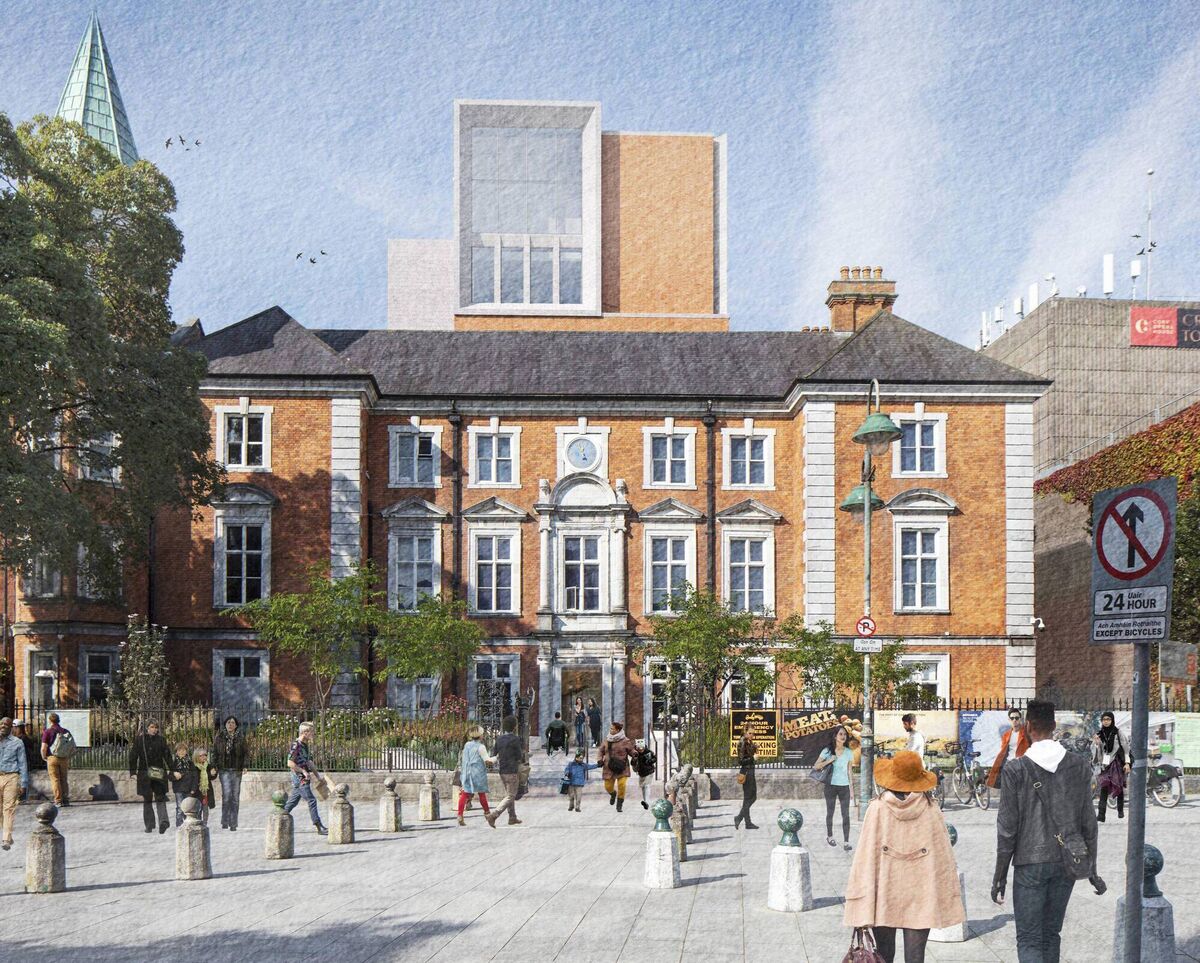
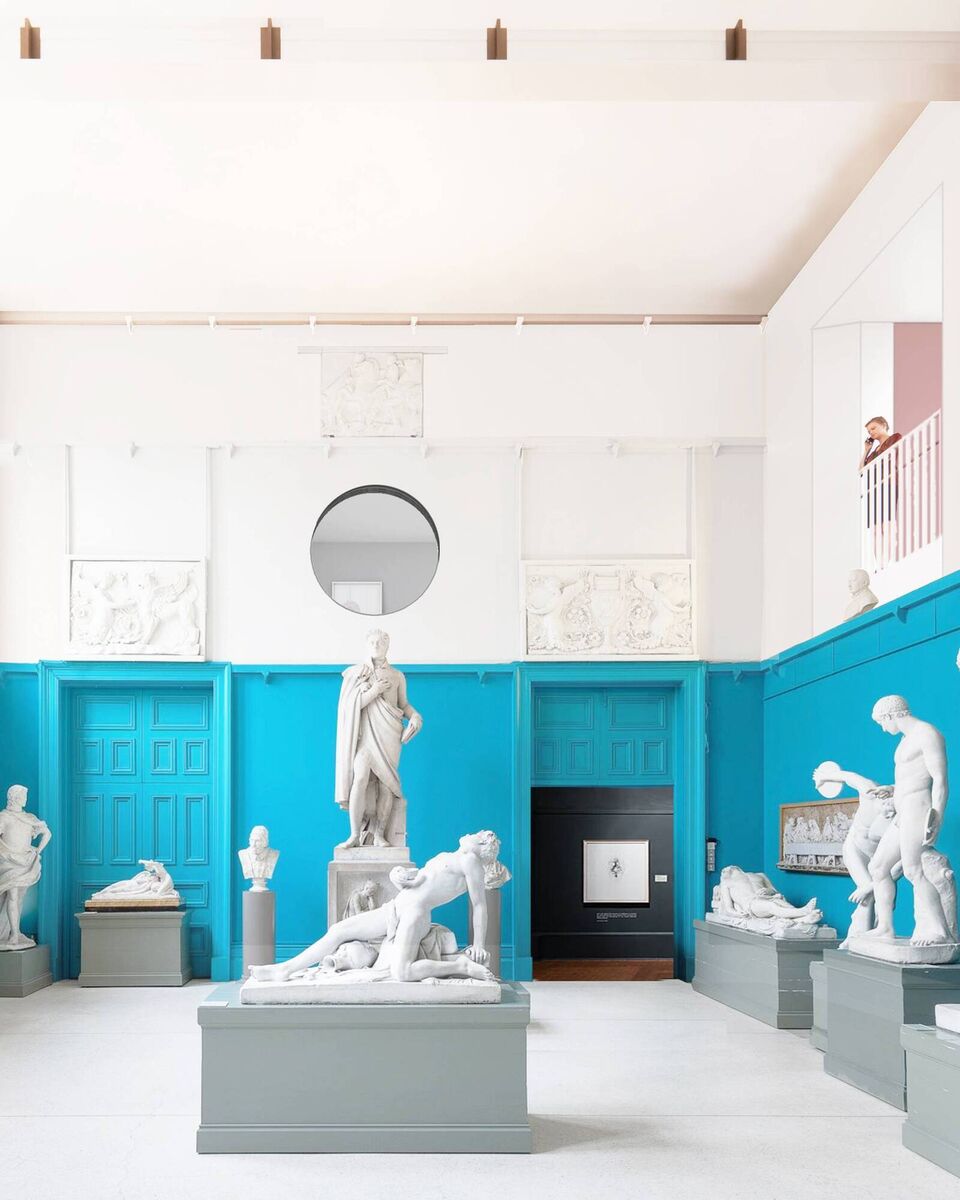
Grafton Architects have worked on a redevelopment design for Crawford Gallery, Cork, that will increase gallery space by 50%; artistic impression of the sculpture gallery; Picture: Niezgoda Print
A friend of mine is currently house-hunting (unsuccessfully, like so many in this country), and I’ll take any opportunity to spend my free time browsing properties for sale in support of the hunt.
Recently I came across a striking home in Sutton designed by Michael Scott, green-trimmed with curved art deco-style walls. In a sea of brick boxes, it was so eye-catching and unique that it made me stop and think about the power of architecture and design.
Irish architects have been transforming our landscape since the days of medieval castles, and these structures have shaped our country’s identity. There are some exceptional examples worth visiting both at home and abroad. Here are a few of my personal favourite homes and buildings built by Ireland's most renowned architects in the last century.
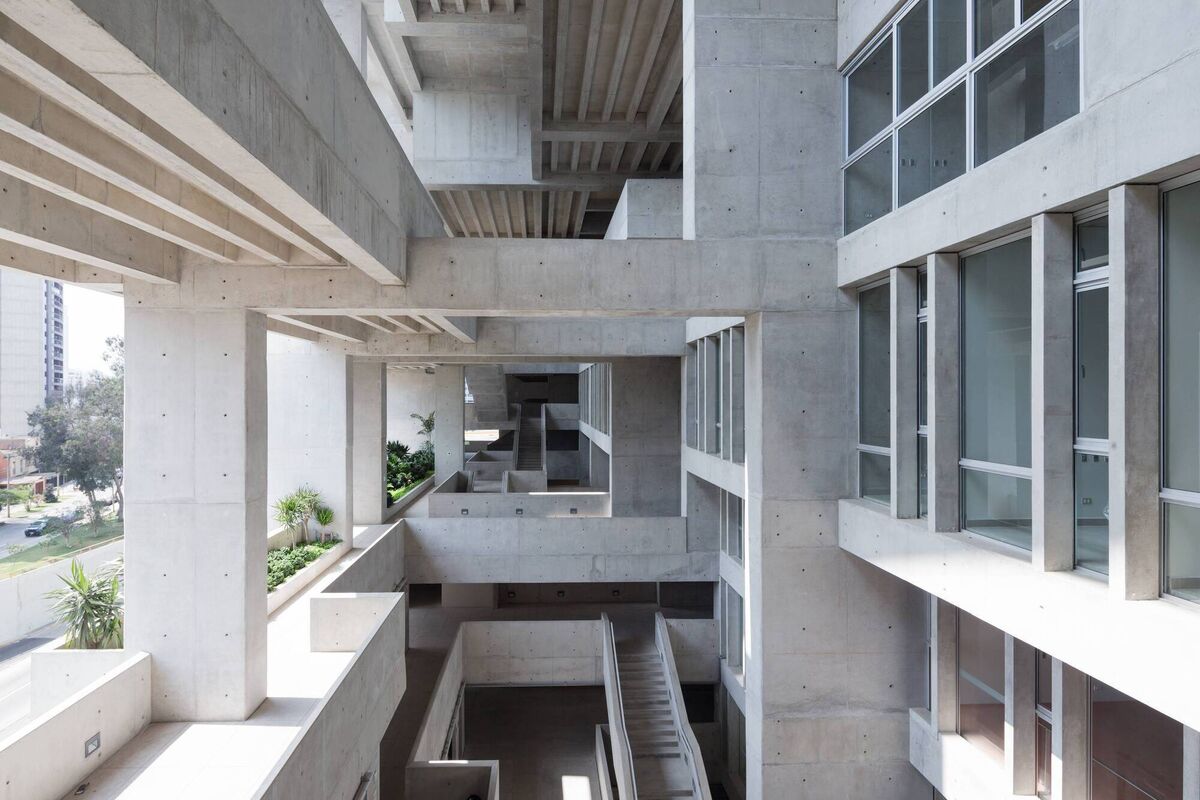
I grew up not far from a back entrance to the University of Limerick, which has evolved into an increasingly impressive campus in the past decade or so.
The university’s medical school was constructed near the back entrance at Plassey where I would bring the dogs for a walk, and I love seeing the beautifully clean, geometric, limestone facade as I pass by.
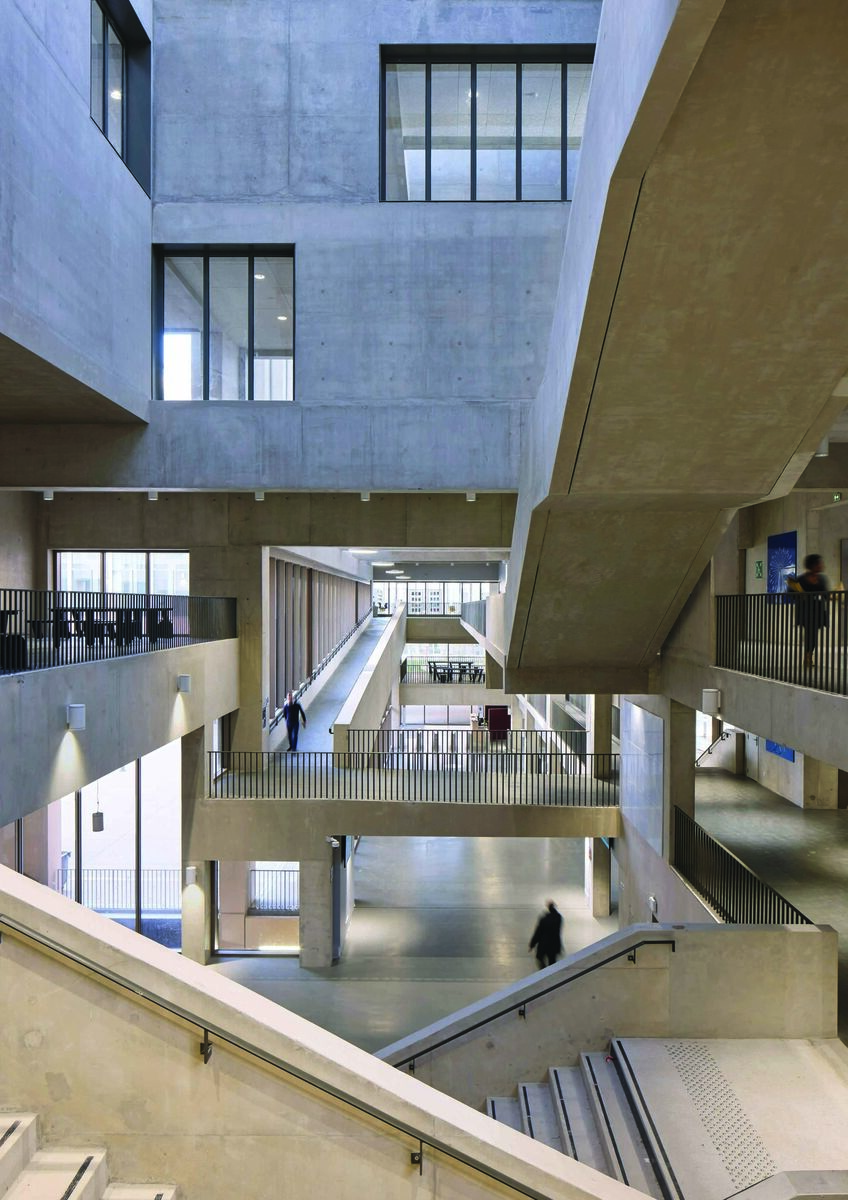
Grafton Architects was founded by Yvonne Farrell and Shelley McNamara in 1978 and is now one of the leading Irish architecture firms.
Their work is noted for remaining sympathetic to its surroundings and its careful consideration of cultural and social context — more simply meaning they put a lot of thought into how the space will be used by the people who will be using it.
Grafton Architects' award-winning buildings can be seen across the country and internationally — their Bocconi University building in Milan won the World Building of the Year Award in 2008. Locally, my favourites are the cleverly designed Long House in Percy Lane, Dublin and the President’s House in the University of Limerick.
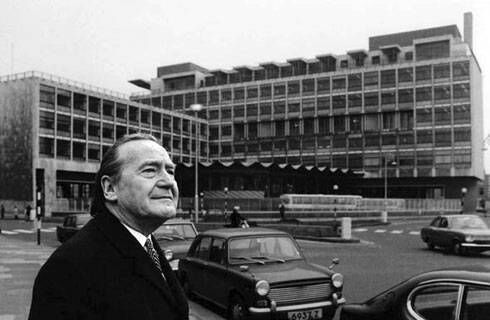
Ceuta, the home in Sutton that originally caught my eye, was designed by Michael Scott in 1933. Scott fully embraced the modernist movement that was so popular at the time and created innovative structures that were better designed for our evolving modern lifestyles. Ceuta has large bright rooms designed to feel spacious and accommodating, maximising the natural daylight and views.
It’s an exceptional Irish example of the early-mid 20th-century modernist style that was both functional and aesthetically pleasing. More of Scott’s works can be seen at Busáras, in his redesign of the Abbey Theatre in Dublin, and perhaps most famously the American Embassy in Ballsbridge — the one that looks kind of like a cool spaceship. His own house, Geragh, can be seen in Sandycove beside the James Joyce Museum at the Martello Tower, which Scott co-founded.
We know the Irish have had a huge influence on America, but did you know that an Irish architect designed The White House in Washington DC? James Hoban was born in Kilkenny in 1755 and trained in Dublin before moving to America in the mid 1780s. He designed a number of buildings in South Carolina which caught the eye of George Washington. He won a competition to design the White House and worked with Washington to create the building that stands there today — twice.
The original building was burned down in 1812, so Hoban had to rebuild it all over again. It is said that Hoban’s designs drew inspiration from Leinster House in Dublin. More locally, he is credited with designing Rossenarra House in Kilkenny.
Disappointingly and somewhat confusingly, Hoban was both a slave owner and also an outspoken supporter of immigrants — a reminder that many of the incredible buildings that surround us were built with sacrifice.
Eileen Gray was born in Wexford in 1878 and famously never formally studied architecture or design, despite becoming one of the most famous designers and architects of the 20th century. Gray, like Scott, was also a pioneer (some would say a master) of the modernist movement in Ireland. Her most famous building is E-1027, a villa in France that is one of the best existing examples of both functionalism and emotion in modern architecture.
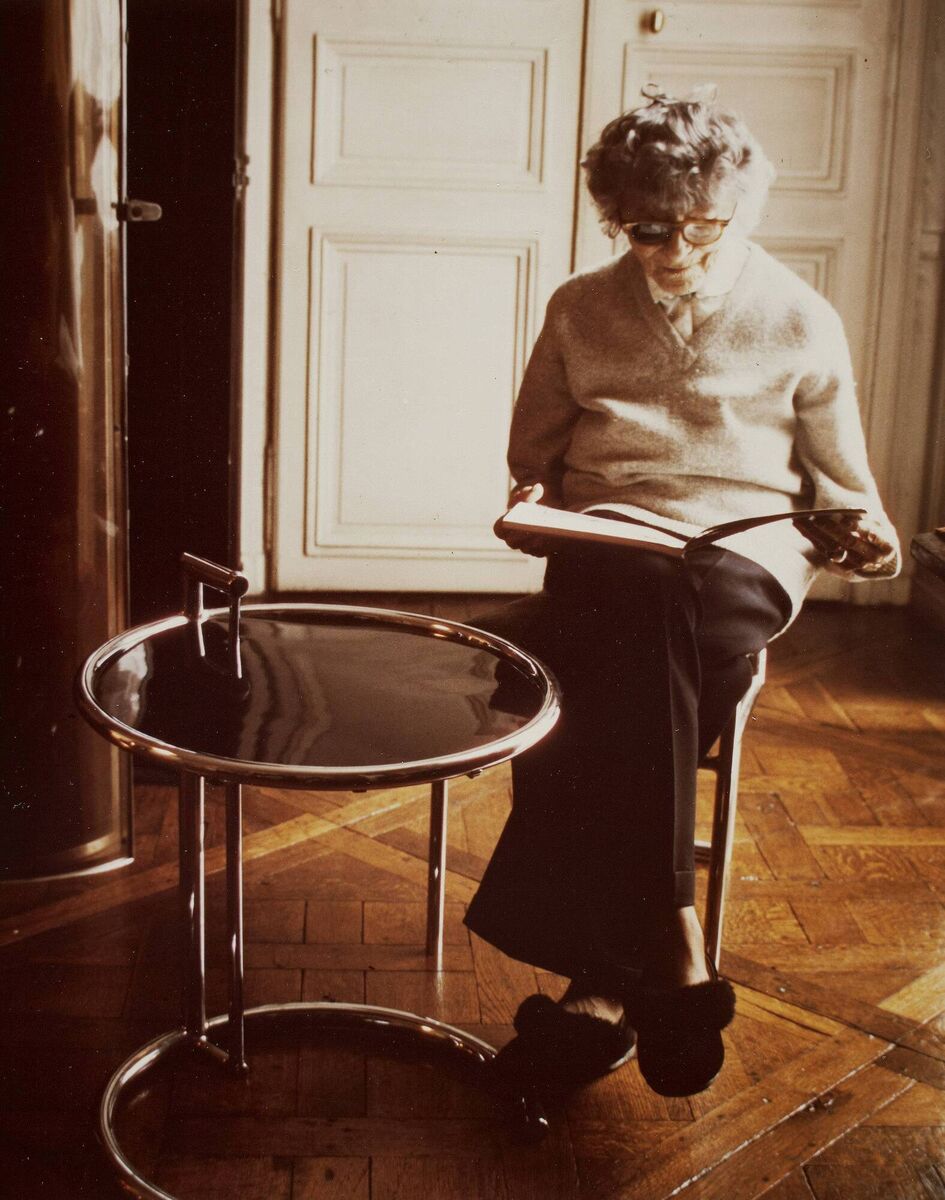
The famous French architect Le Corbusier developed a strange obsession with E-1027, trying and failing to buy it and subsequently building a cabin next door then painting a series of unusual murals of naked women on its walls, which ultimately drove Gray out of her own home. E-1027 is worth a visit by any fan of architecture, but more locally you can visit Gray’s interior design and furniture work on permanent display at the National Museum of Ireland.
This choice is less of a personal favourite and more of a recognition of the impact this man has had on Irish homes in the past century. Jack Fitzsimons was both an architect and a politician, and famously published “Bungalow Bliss” in 1971.
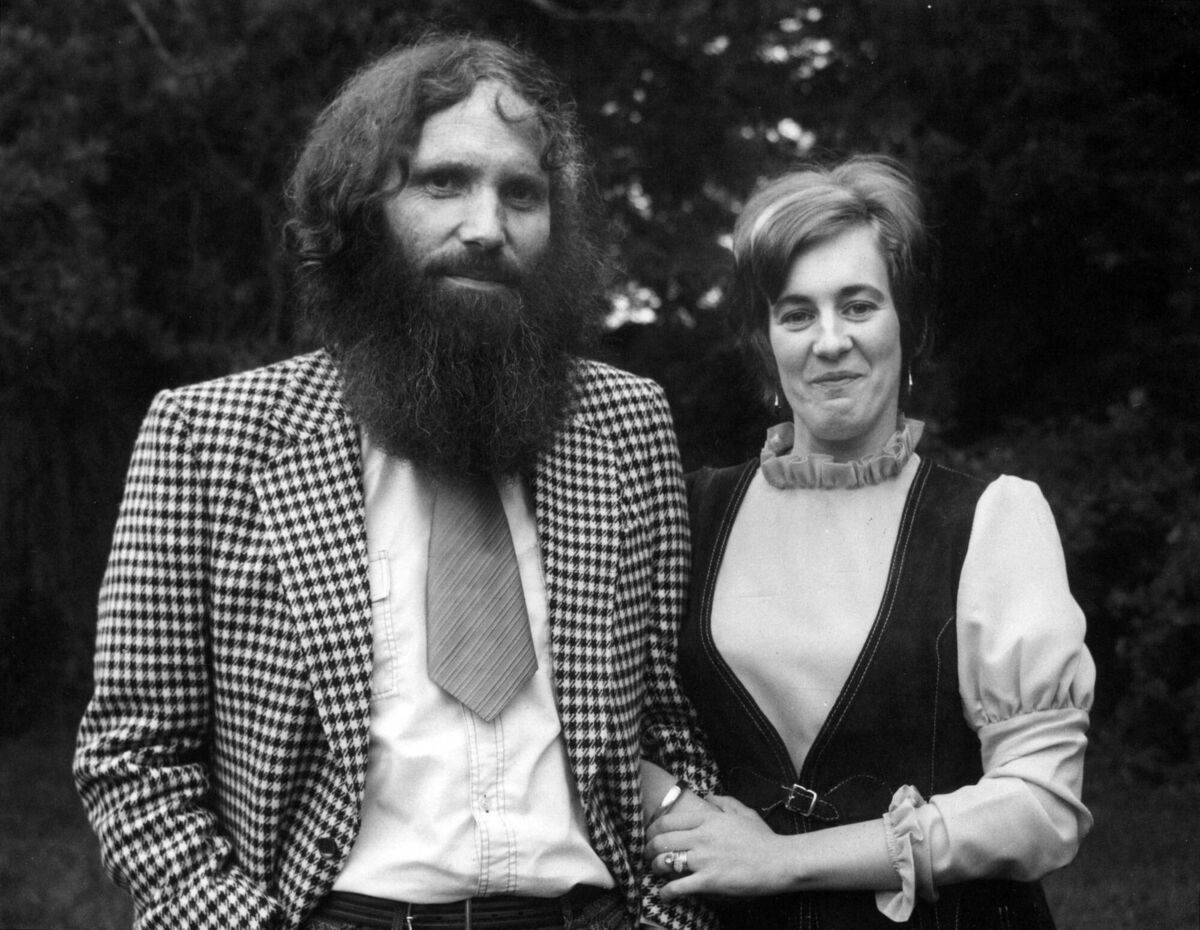
This book was full of blueprints and step-by-step details to support readers in building a bungalow and was written in response to soaring architects fees at the time. Jack wanted to make house designs more affordable to those who were struggling to build their own homes, which he did with a level of success nobody could have imagined.
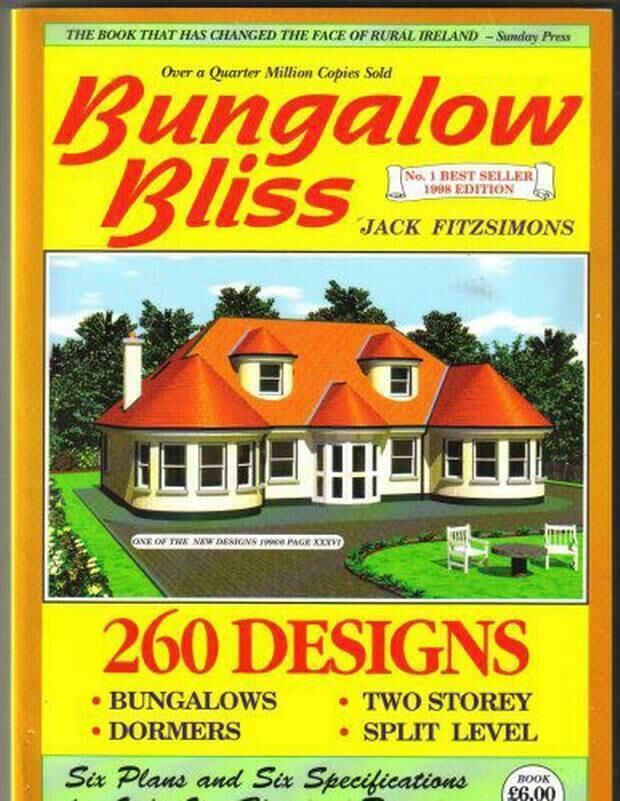
Bungalow Bliss bungalows sprouted up all over Ireland between the 70s and the 90s, and while they may not be the most beautifully designed architectural masterpieces in the world, they provided perfectly good affordable homes for hundreds of thousands of families across Ireland.

CONNECT WITH US TODAY



Be the first to know the latest news and updates