Peter Dowdall: All you need to know about growing bergamot
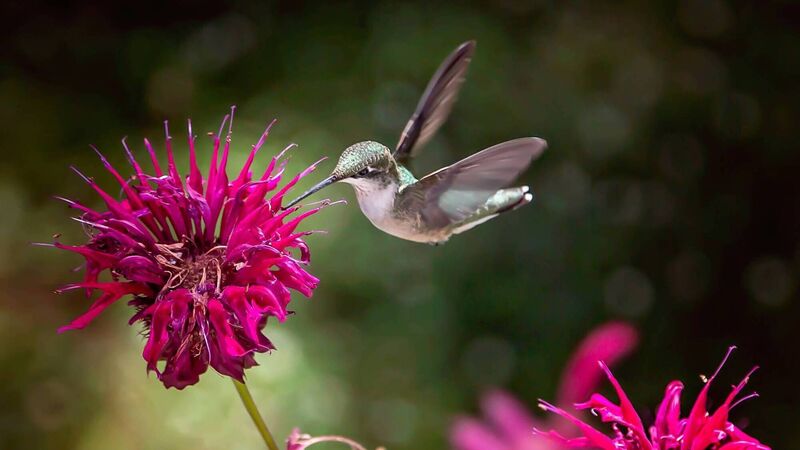
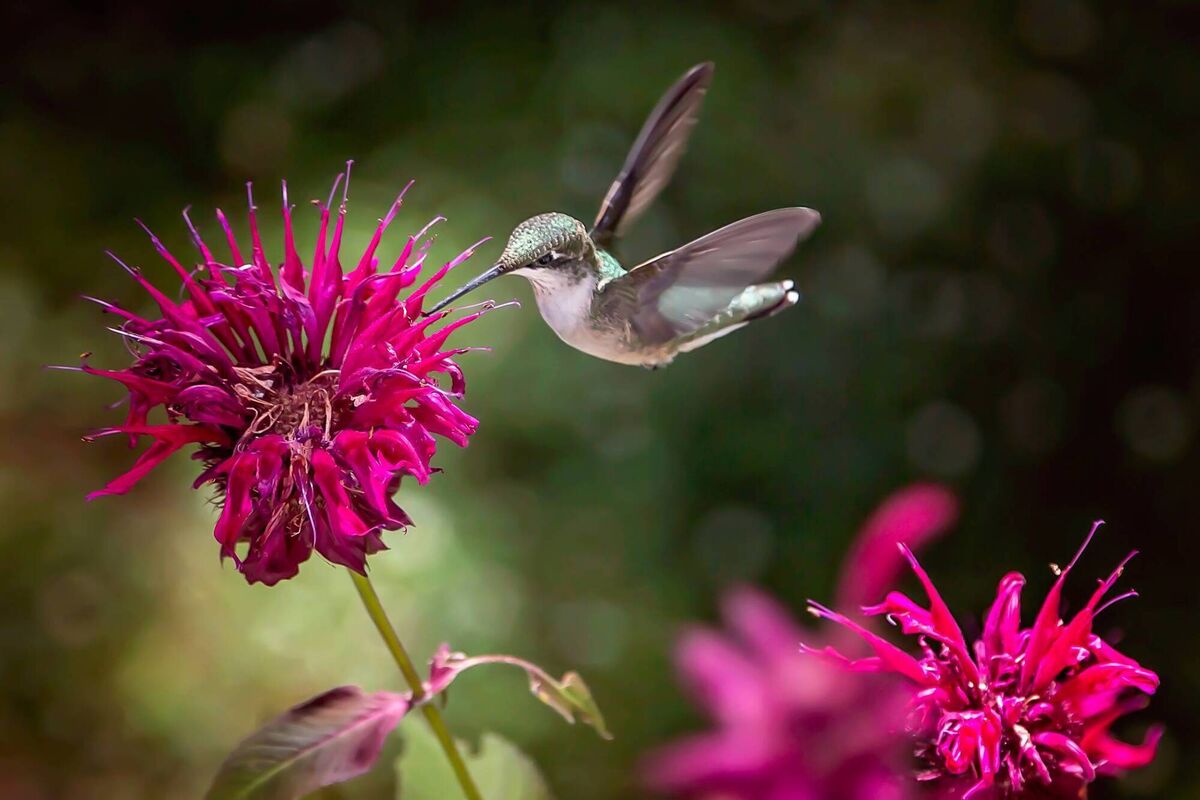
A hummingbird in flight feeding on bee balm or monarda. The herb that we all know as bergamot has the botanical name monarda and is native to North America. File pictures
The Native Americans knew a thing or two and we would do well not to learn from those who went before us. They grew bergamot, not for its aesthetic appeal as we do now in our gardens but for the plant’s many medicinal uses, including as an antiseptic for skin infections and minor cuts and abrasions.
It’s easy to grow once you give it the right conditions. It likes a well-drained soil with a neutral to slightly acidic pH.
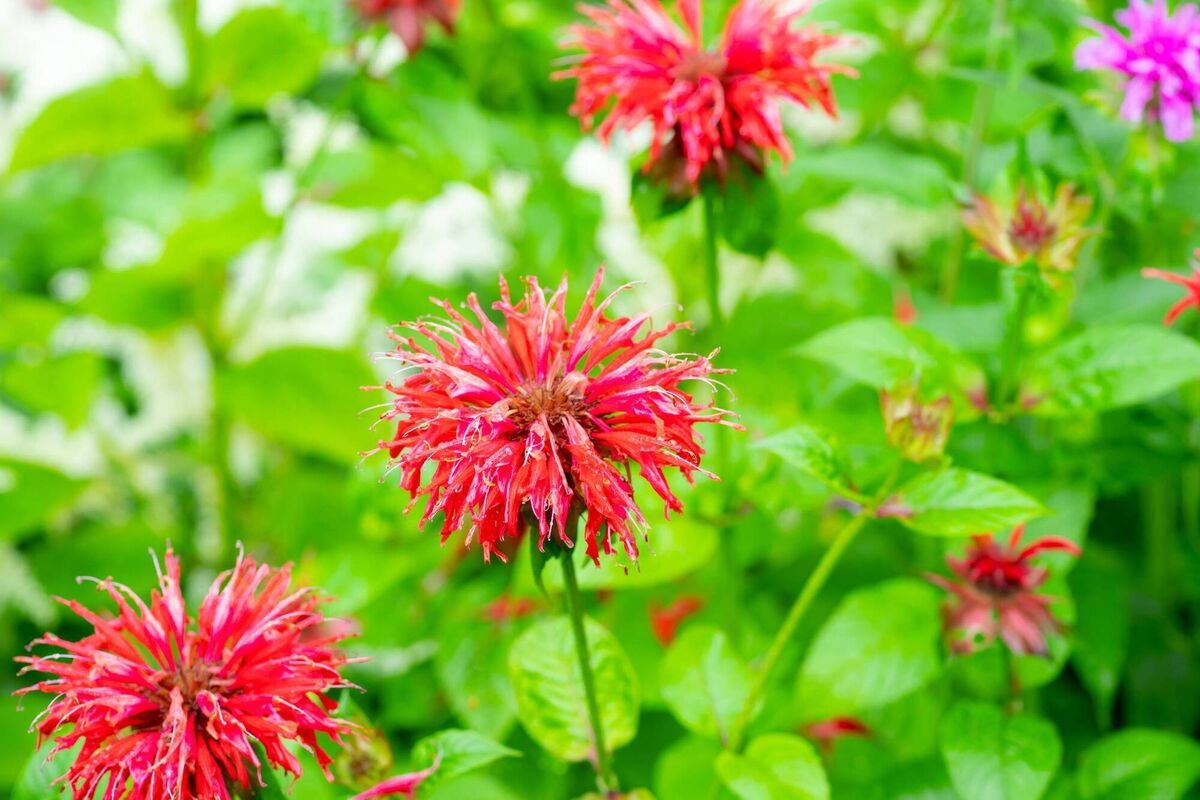
If the ground is too wet, then it won’t flower as well as it should and will in time succumb to fungal rot. Equally, if it is too dry, it will wilt, the flowers wont come to anything and it becomes weak and vulnerable to powdery mildew.
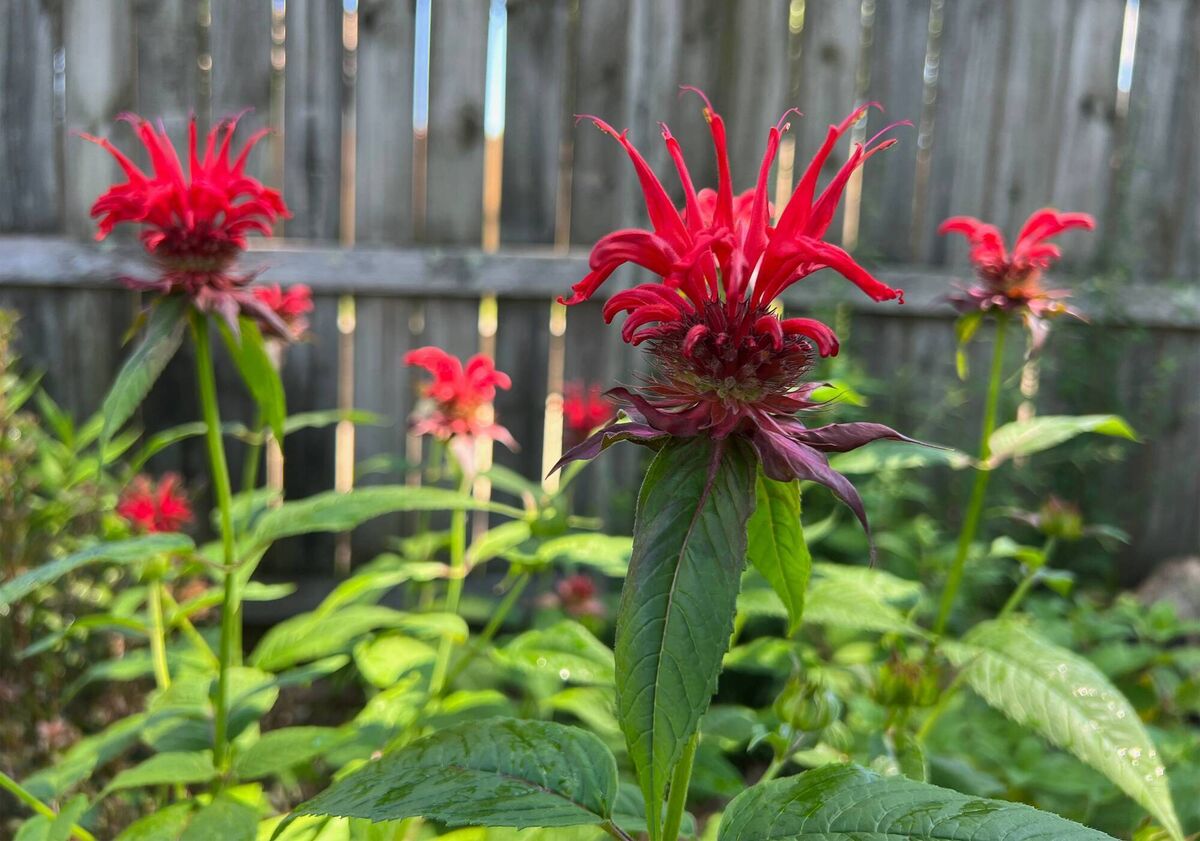
Though it is quite showy in flower, I always tend to think of it as an understated plant. It stands tall with and elegant structure and texture. Because of its propensity to suffer from mildew, I like to grow it in and around other, lower growing plants which can obscure the foliage but over which the flowers are on show. Try growing it with some achillea or lavender for such an effect.


CONNECT WITH US TODAY



Be the first to know the latest news and updates