Peter Dowdall: Plants to add pizzazz to summer gardens
'Bedding plants are often referred to as patio plants and have their detractors — but I am not one of them' 
Peter Dowdall: Plants to add pizzazz to summer gardens

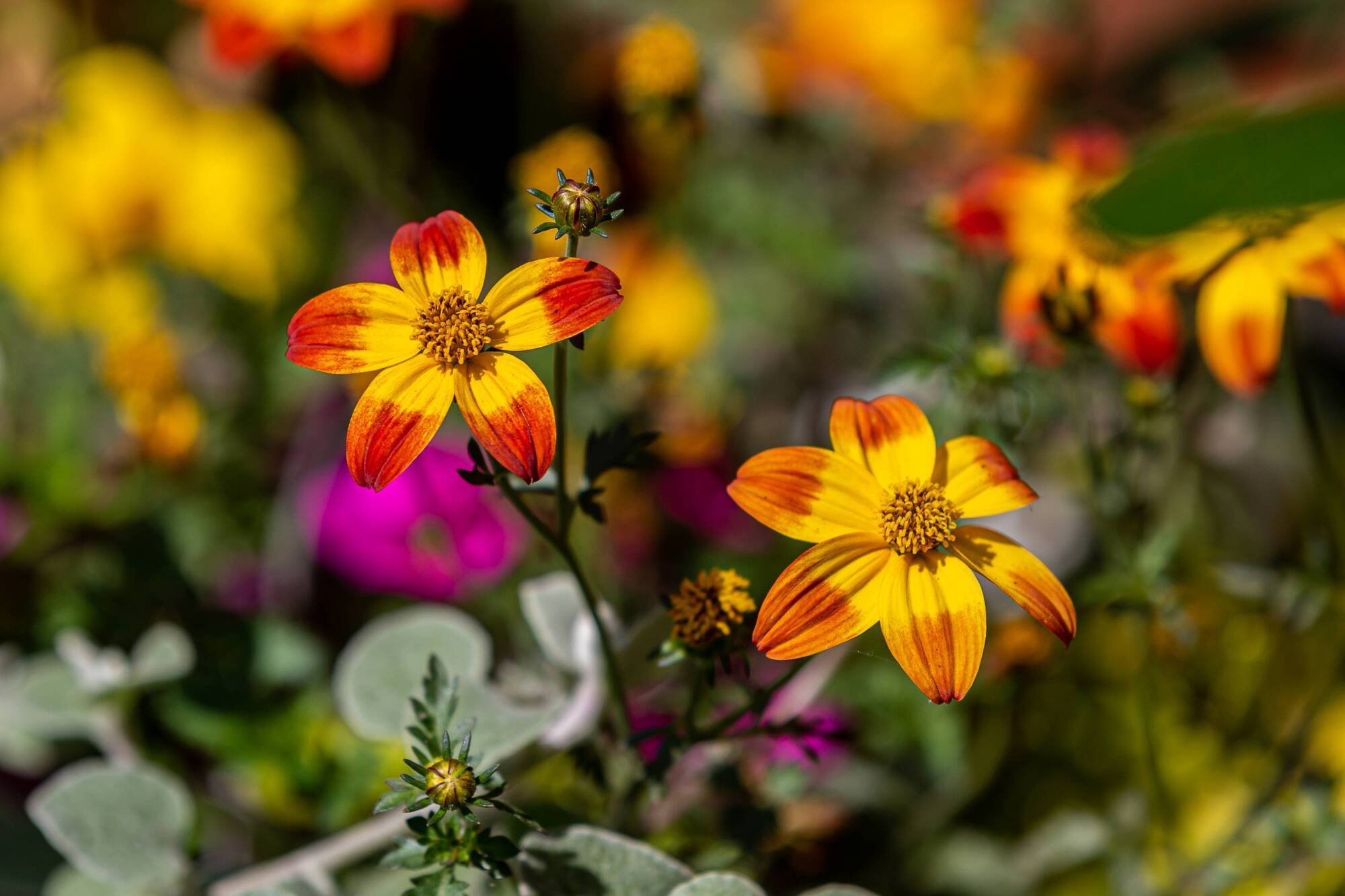
Bidens, pictured, are wonderful for pollinators, and are available in garden centres. Picture: iStock

Well, we’re here once again. It’s June and for me, it’s like the zenith of the gardening year as everything is running at full tilt, you can smell and nearly see and hear plants growing in front of you, as we head towards the longest day.

Summer bedding plants, which are nowadays referred to more as patio plants, have their begrudgers and detractors, but I am not one of those.

I love the bling and pizazz that they bring to a garden. It’s a shot of vibrancy that no other group of plants can bring, they grow, in front of our eyes and they’re great fun.

They can be used in beds, planters, baskets and boxes and there are a few tricks and tips to get the best out of them.

Firstly, when planting any container filled with summer bloomers, use enough plants. If you think it looks a bit empty, then it does and nothing looks worse than a half-filled hanging basket, so really cram them full of plants. It’s not like “real gardening” where you can wait for plants to establish themselves and give them enough space and room to mature. No, when using containers for colour, you want an instant effect and so, less isn’t more in this case.

The second thing to be aware of when planting containers, pots and baskets, is the growing medium. Use a good quality, rich and fertile compost, whether homemade or shop-bought. Ensure that there is a good amount of topsoil in the mix so that it doesn’t dry out too easily and also to make sure that it can be rewetted easily.

This growing mix is going to have the root systems of many plants relying on it and thus, regular feeding will be essential. You can feed with good quality tomato food as this is rich in phosphorus and potassium, both of which will promote further flowering.

Finally, water, water, water. Even in Ireland where lots of the stuff falls from the sky, we need to pay attention to watering plants in containers. Summer planted pots and baskets can be covered in foliage which can actually prevent rainwater from getting to the soil itself so you will have to water them. Also, your hanging basket or window box could well be sheltered from falling rain by the eaves or the roof of your house, so attention will have to be paid to this.

More than one or two days of dry weather will be enough to see your pots struggling with drought as, again there are many plants relying on the one reservoir of soil. Try putting a saucer or an old sponge into the soil mix as these will hold water and allow it to be available to the plants for a longer period.

When we think of summer bedding displays, we can often think F1 hybrid plants and others which may have been so intensively hybridized and bred to be more or less useless to visiting pollinating insects.

It's vital, therefore when choosing plants, to look for ones that will have a positive environmental and ecological benefit and the good news is that there are many. Trailing plants create a great effect when tumbling out of baskets and containers and two of the best trailers for pollinators are bidens and bacopa, both of which will be available in nearly all garden centres. The old-fashioned snapdragon, one of my favourites, is also another good one, as are, ageratum, annual poppies and Love-In-A-Mist.

One of the most attractive flowers of all, is the blue bloom of borage, an annual herb, which can easily be used in bedding displays, producing masses of exquisite, star-like, blue flowers which will be adored by visiting insects. You’ll find a comprehensive list of bedding plants which are good for pollinators on the
All-Ireland Pollinator Plan website, https://pollinators.ie.

Whichever plants you opt for, and the choice is yours, whether you want to throw caution to the wind, with all the
different colours or you want to keep it strictly to a specific colour scheme, after you have used enough plants, good compost and soil, provided regular feeding and watering, the last thing to do, to ensure longevity from your display is deadheading.

If this is new, to you, then it is, as it sounds, simply removing the dead flowers. Many dead heads will come off easily in your hand with a gentle pinch, whereas others will need to be trimmed off with a sharp scissors or secateurs.
Removing these spent blooms will encourage new flowers to open up. Otherwise, more of the plant’s energy will go into producing seed in the dead flower and less into new flower production.

More in this section

Revoiced

Newsletter

Sign up to the best reads of the week from irishexaminer.com selected just for you.

Cookie Policy Privacy Policy Brand Safety FAQ Help Contact Us Terms and Conditions

© Examiner Echo Group Limited