Peter Dowdall: Chelsea Flower Show designs mark 'seismic shift' in how gardens are built

Gold medal winner: The WaterAid Garden, designed by Tom Massey and Je Ahn.
First-time garden designer Giulio Giorgi and garden contractor Landesigns received the inaugural RHS Environmental Innovation Award in recognition of the efforts they have gone to in order to reduce the environmental footprint of the World Child Cancer Nurturing Garden at this year’s RHS Chelsea Flower Show.
The garden has been created using products made entirely from soil and timber and in its construction, no power tools have been used, only hand tools, so it is a fine example of how we can design and build gardens more sustainably in the future, according to Malcolm Anderson, RHS head of sustainability. “We felt the World Child Cancer Nurturing Garden stood out as a beautifully simple example of merging old techniques with new, where Giulio has used 3D printing to create traditional keyhole gardens.”
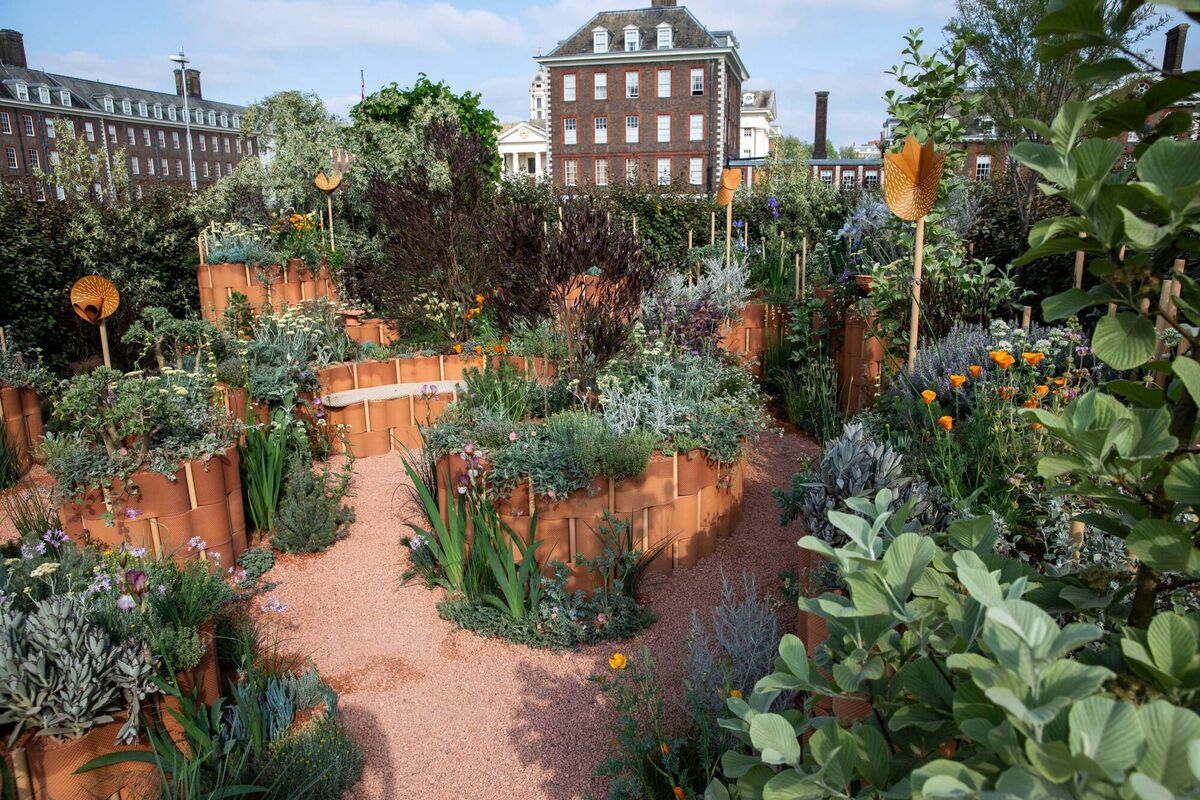
Eleven gardens applied for this award, which were judged according to seven criteria. Judges considered end-of-life plans for the gardens, whether materials can be reused, and how the gardens will benefit the community and environment in their final location.
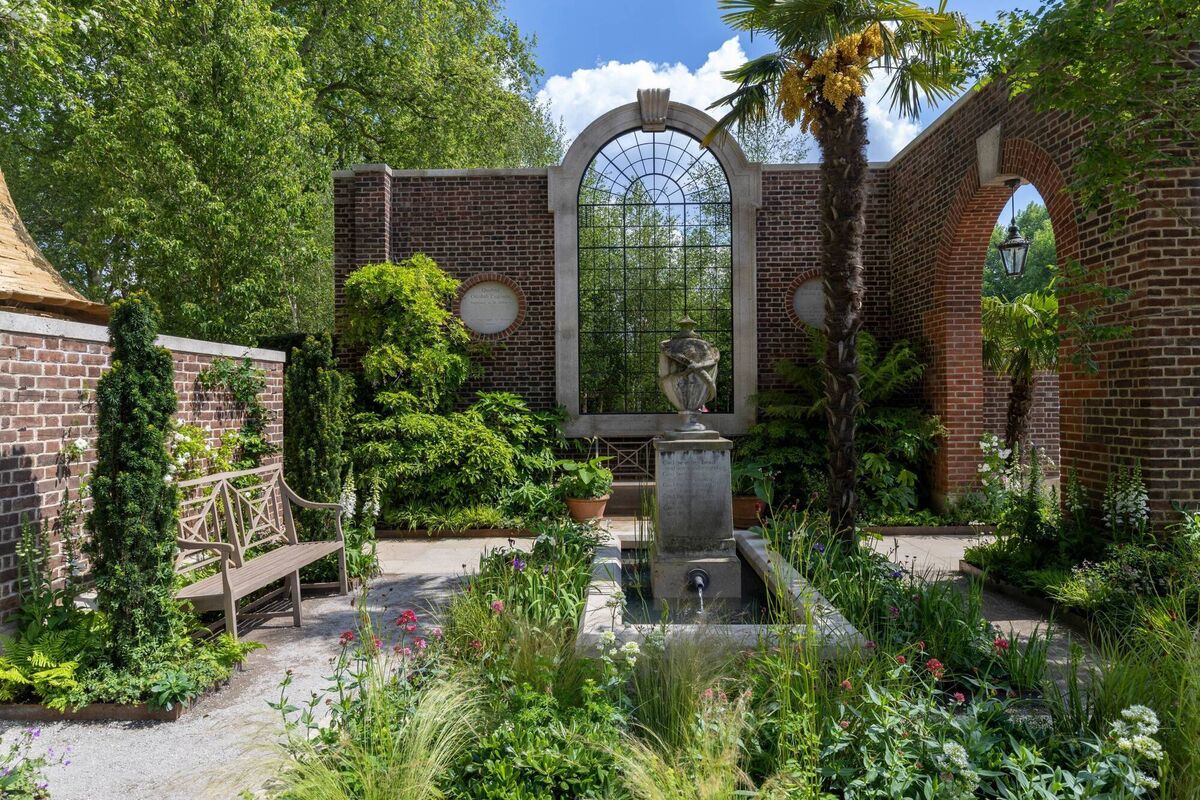
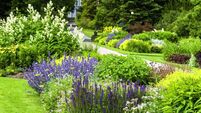
The show garden paid homage to the revitalising influence of urban green spaces. Upon entering through an archway reminiscent of the proposed gateways leading to the churchyard at St James’s Piccadilly, visitors entered a contemplative haven. Here, nature took centre stage with a lush, biodiverse planting scheme.
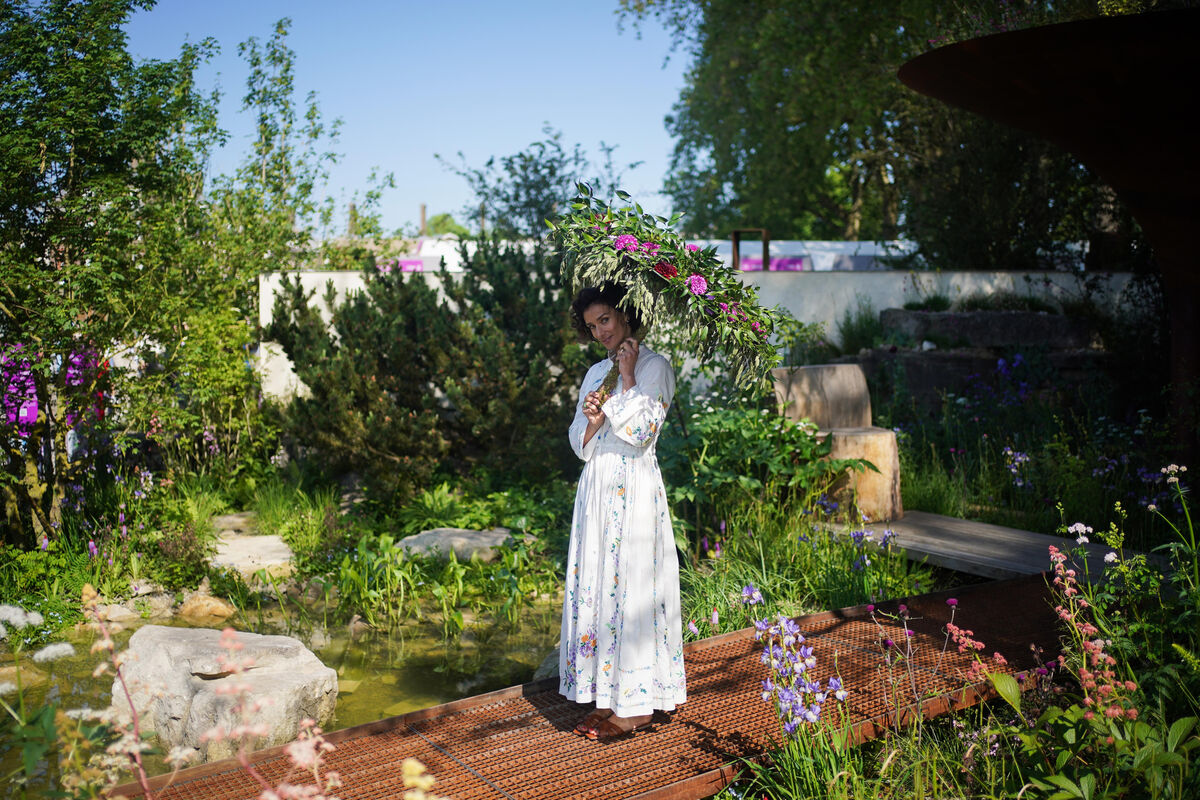
This tranquil, introspective space uplifted the spirit, serving as a sanctuary for urban dwellers and city wildlife. It beckoned visitors to sit, stroll, and immerse themselves in the sensory delights of dappled shade, multi-layered verdant landscapes, and soothing water features.
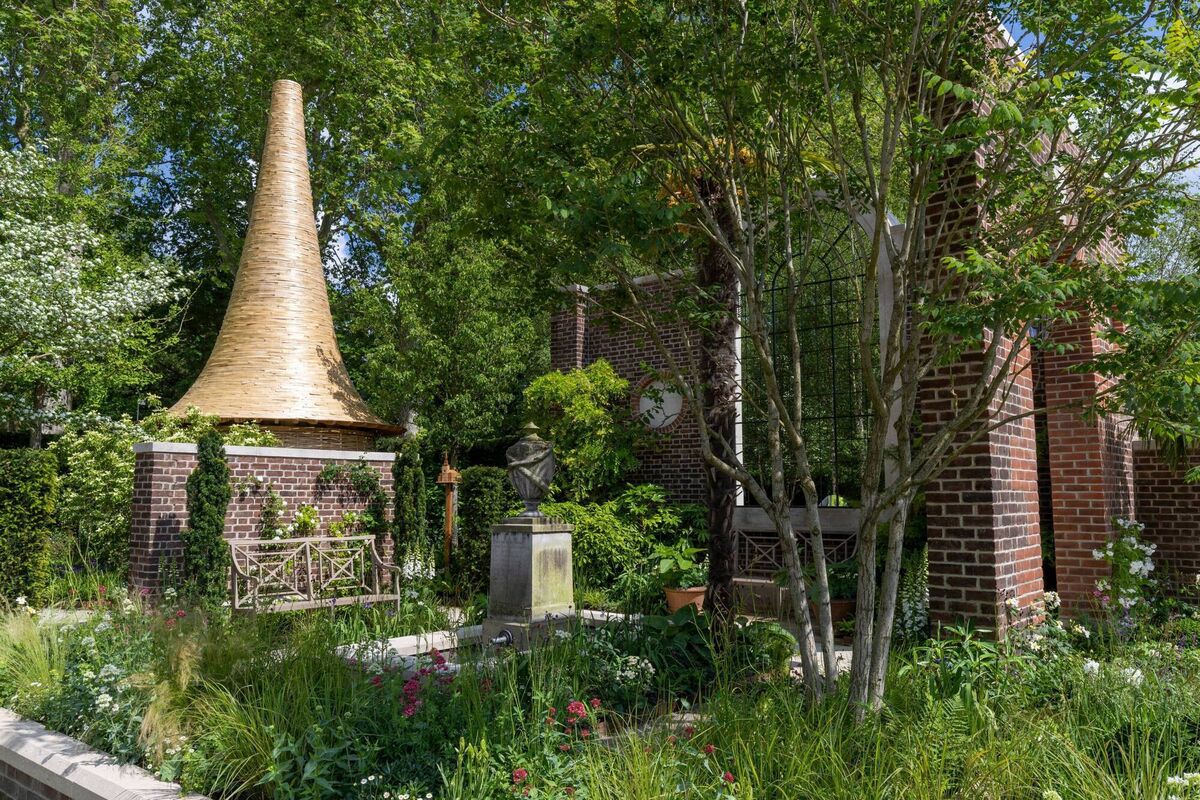
This garden celebrated the significance of urban pocket parks in London and other cities, often connected with historic churchyards, some bearing the scars of wartime bombing yet refusing to yield to destruction. These spaces have been reimagined as biodiverse and slightly eclectic garden sanctuaries, representing a harmonious blend of history and ecological vibrancy.

CONNECT WITH US TODAY



Be the first to know the latest news and updates