Peter Dowdall: How to harness herb power in the garden

Lavender fields forever: The name lavender comes from the Latin word “lavare” meaning “to wash”. File picture
Everything we need comes from the soil and I’m always amazed at the power within. If we stop to think about it, apart from our food, most medicines owe their power to herbs and herbal remedies.
I was reminded of this recently when somebody informed me that ancient Egyptians used lavender as part of the mummification process as it was believed that it cleansed the spirit. Even the name lavender comes from the Latin word “lavare” meaning “to wash” which gives us a hint as to the properties of the plant.
All herbs have long been valued for their scent, culinary values and their medicinal properties and with so many herbs now widely available in stores and garden centres it may surprise to learn that still the most popular herbs that people grow are the old faithful, parsley, rosemary, mint, thyme, sage and chives.
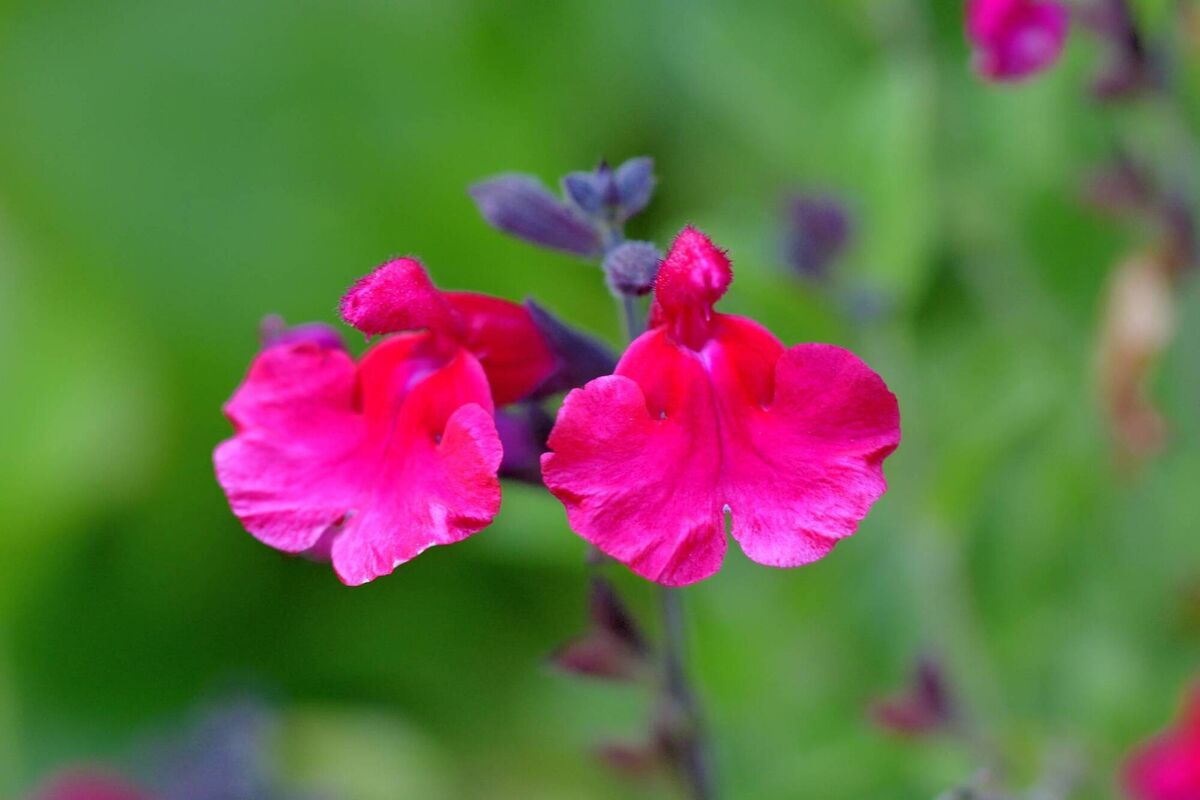
All of these herbs are native to warmer, sunnier climes than here which in turn, informs us as to where they would like to grow, namely a warm sunny part of the garden and in well-drained soil.
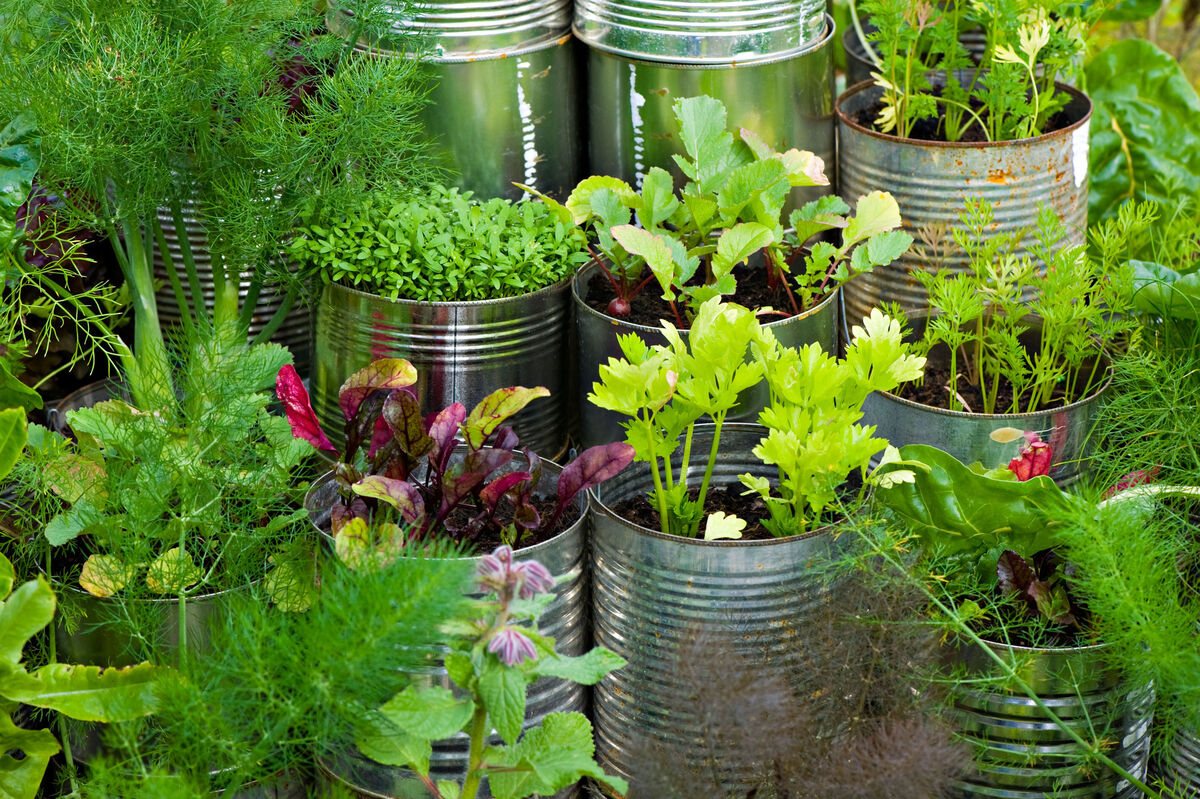
Pots and containers are ideal for growing herbs as you can control the growing medium and they are, by their nature, free-draining.
Regular pruning, ie picking fresh herbs will encourage the plants to become bushier and stronger and bear in mind that a “working” herb plant may not always look great as it can be half bald from regular harvesting.
Apart from its extremely attractive blue flowers which will attract and sustain pollinating insects, rosemary is rich in antioxidants and anti-inflammatory compounds. It's traditionally used to improve memory and cognitive function. Additionally, rosemary oil is known for its stimulating effects and is often used in aromatherapy for mental clarity.
In the kitchen, rosemary adds flavour to roasted meats, in particular, lamb, potatoes, and vegetables. It's also a popular ingredient in marinades, sauces, and infused oils.
Thyme is a hardy perennial herb that never looks particularly well if used in the kitchen, though its flavour and scent are fantastic. There are varieties of thyme which have different citrus scents such as lemon and orange.
It contains thymol, a compound which has antimicrobial properties and has been used for centuries to alleviate respiratory issues such as coughs and congestion. Thyme tea is a soothing remedy for sore throats.
It has many uses in the kitchen, but for me, it’s all about the stuffing.
Lemon balm is a member of the mint family but not half as much of a thug as mint itself. Known for its lemony smell and flavour, it can spread rapidly but is very easy to remove from where you may not want it. In old monastic herb gardens, it was commonly used as a plant in orchards as it attracts pollinators to the garden.
Lemon balm has calming properties and is commonly used to reduce stress and promote relaxation. It's also believed to aid digestion and relieve indigestion and bloating.
I remember once visiting a farm where it was being harvested to extract the essential oil and learning that it is one of the most expensive of all the essential oils as, from memory, so I am open to correction, it takes as much as three tonnes of fresh lemon balm to make 500ml of the oil.
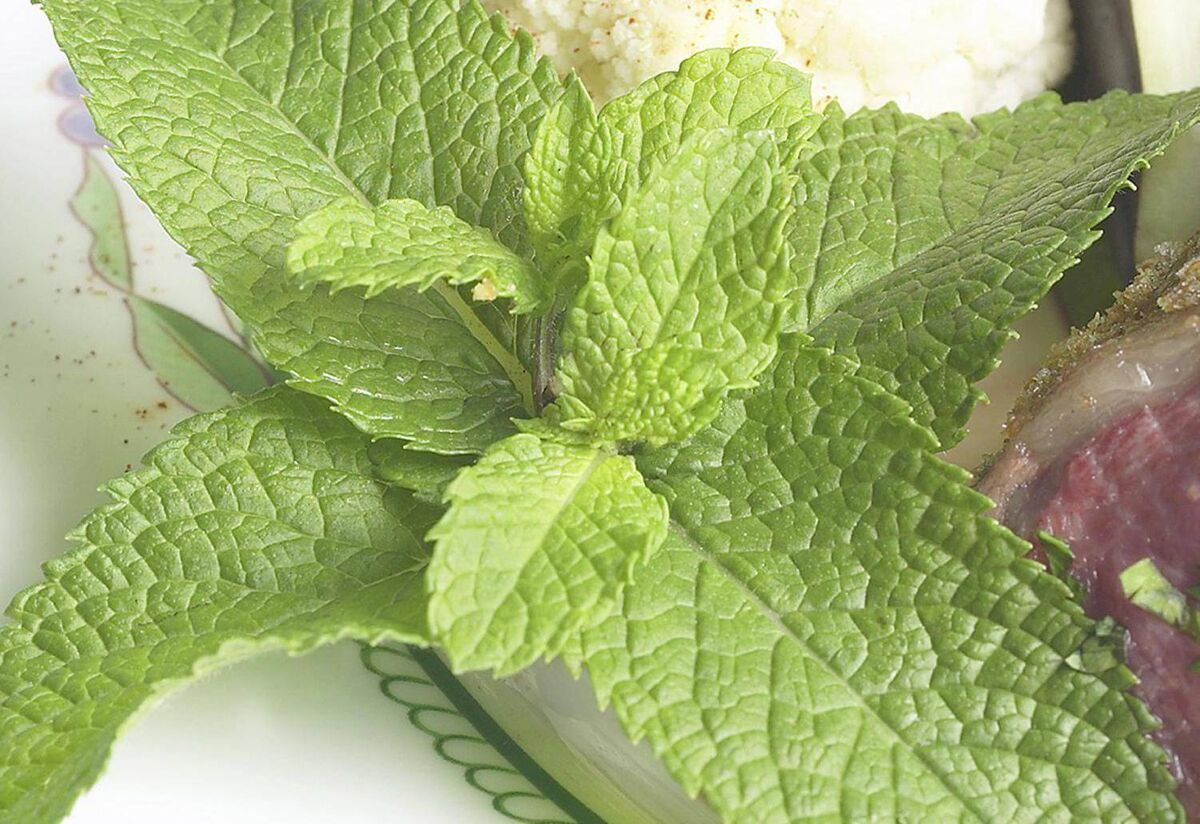
The kind way to describe mint is to say that it is a vigorous perennial herb that grows best in rich, moist soil and partial to full sunlight. However, in truth, it is an invasive bully of a plant. It is such a wonderful herb in the kitchen and so beautiful to look at, alive with insect life that it is a “must have” in the garden but my advice is to only grow it in a pot or a contained bed to prevent it from taking over the garden.
It is said that mint can alleviate nausea, indigestion, and irritable bowel syndrome and peppermint oil is also used topically to relieve headaches and muscle pain.
I still remember the smell of our kitchen growing up, in early summer as the new potatoes were steaming with masses of fresh mint. They’re never the same without some mint used in their cooking and of course, essential for the odd mojito.
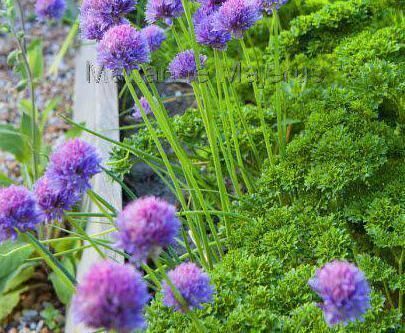
Chives are a member of the onion family and their leaves have a mild onion flavour and are a particularly welcome addition to a salad in my house. The flowers are edible too as well as extremely attractive but be prepared to have your head blown straight off, such is the strength of the flavour in the flowers.
Chives contain sulphur compounds with antioxidant properties and have been used to support cardiovascular health, boost immunity, and promote digestion. Chive oil is also used topically to relieve minor skin irritations.

- Got a gardening question for Peter Dowdall? Email gardenquestions@examiner.ie
CONNECT WITH US TODAY



Be the first to know the latest news and updates