How to clean your patio and paving in time for summer
To clean your patio of cloying moss and algae, use muscle and natural solutions, chemistry, machinery for a truly satisfying afternoon’s graft.
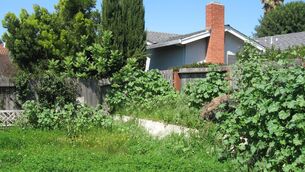
Nature is a wonder. Every tiny crevice, divot and roughened plane is open for biological colonisation by algae, moss, lichens, and liverwort. Ah — good old gothic liverwort, with its frilly silken underskirts. What about Nostoc, that weird, jelly-like bacteria that trips along paths in winter, inviting you to a companionable faceplant? A wincing glance at the emerald flags and greasy stone walling in March — not a pretty picture.
Together with the siren call of the mower, the wild invaders, fogging up the patio are spring spoilers, but they can be dealt with in just one afternoon. Unless you hit the garden with very heavy chemistry designed to linger on the materials and kill every living thing, we want to control rather than eradicate growth. It's perennial, meditative work before slamming down the sunloungers, and deeply, deeply satisfying.
Some of these fascinating growths (natural ecology), left alone in the right position are harmless and add a comfortable, earth-friendly character to a cottage garden. Slurry teas of cattle dung and yoghurt encourage their creep over cement statuary. Tufted mosses, the pixie cup of folios and the dense, rich, and ragged mapping of Fruticose lichens should be treasured.
The trouble is where these determined little plants are either underfoot, become slippery when drenched, or where they are genuinely defacing expensive stone or conglomerate materials. If you’re willing to wait it out, as the days lengthen, the lichen will fry in the sunshine and the powdery deposit can simply be brushed away. It will reestablish if not treated, and some of these diminutive plants, will in time leach colour from coloured concrete paving.
The reason you have nurtured this emerald city is a combination of wet weather, perpetual shadow due to overhanging planting, inadequate drainage, and the inability of your patio to fully dry out. If you have stone or tile surfacing, soft joints and additional drainage will prevent the rain-water pooling on these impermeable surfaces, discouraging prolific biological growth. Where the problem is really pervasive, this spring/summer is a perfect moment for a redesign. With a bit of backache and ingenuity, you may be able to use just about all the structural elements you already have on-site.
The patio could be re-laid if it’s not cemented down, to introduce a very slight rake. This will shed water and guide it away from the house walls. Changing up materials, most stone, paver blocks and all aggregates are to some extent porous. Sealing their surface, especially patterned concrete with an appropriate product will keep them looking fresher for longer. Slop a little water on any potential paving or walling material to see its look when wet (spoiler alert - it might rain sometime).
Conglomerates and synthetic materials (PVC decking boards for example) should be rated for their UV performance and colour retention. Look for a good “key” with a riven or roughened surface providing safe passage over any paving or patio.
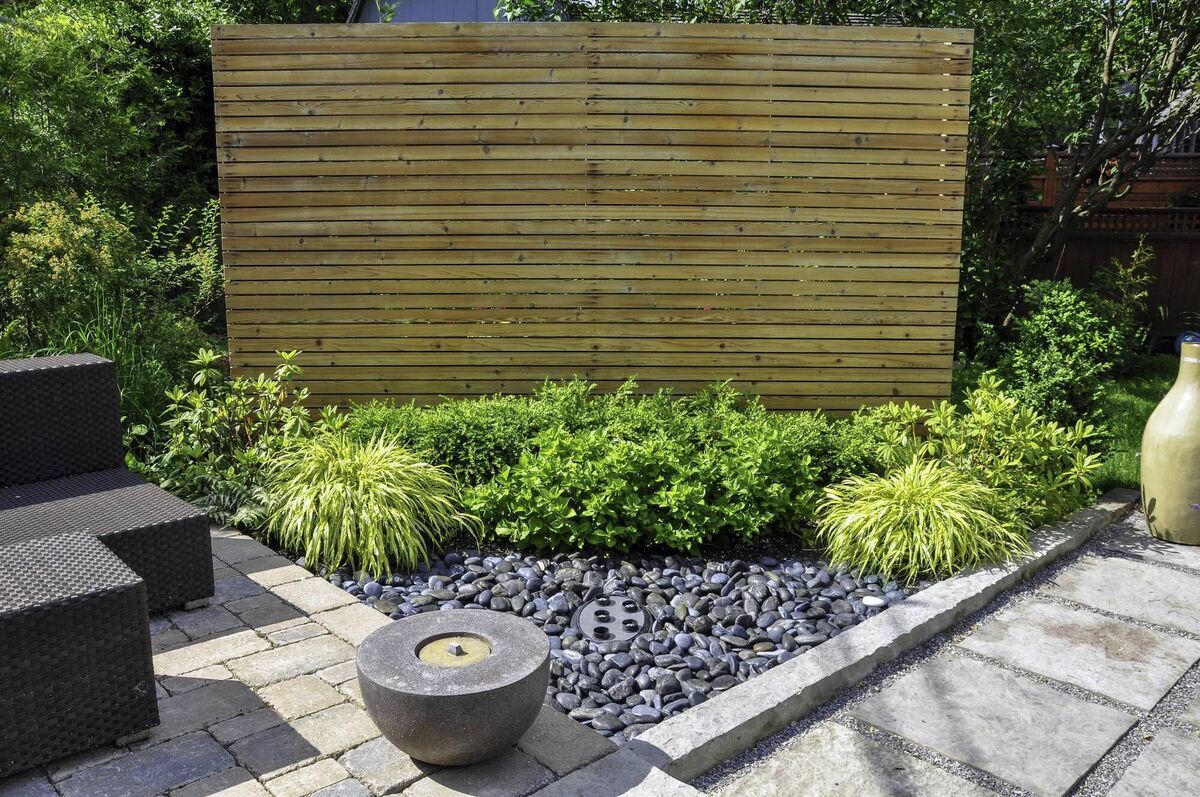
Sustainably speaking, soft and planted joints around well-supported slabs rather than hard grouting, will ingest surplus water that cannot otherwise leach away. There should always be dedicated drainage included as part of your patio design and rainwater system.
The hard surfacing should be at least 150 mm below your home’s DPC and sloped away from walls at a fall of 25 mm over 1.5 m. If you renovate the area and introduce dwarf walling or blind fencing abutting the patio, allow for the fact that you are pinching the space shut and may interfere with that essential run-off to the lawn or drains.
To clean the patio to arid, silvery perfection, choose a period forecast for a few dry days. Clear the clutter, as we need to deal with every centimetre of the surface, and chances are your containers, and those shrouded corners are thick with growth and organic debris. Brush the whole area down to start (even where you intend to use a pressure washer). The attrition of the brush will start the process of dislodging the dirt and growth.
Where you don’t have (or loathe) a power washer, try a tough, nylon yard brush with repeated sloshes of a safe, detergent solution to clear the slime. Try a cup of washing-up liquid, a cup or so of baking soda and a few handfuls of salt dissolved in a 10-litre bucket of warm water. A wire brush on a long handle is also good for stubborn areas, just don’t work it through the sealing of any hard slabs. If you have unsealed concrete be wary of high solutions of vinegar to water. The acid can degrade the tint of cheap paving slabs and damage grouting if not perfectly rinsed away.
Guide any moisture and rubbish off the stones to the drain with the brush, hose or fan jet of your pressure washer. If you just let this settle in your grout or grikes, it will provide nutritious bedding for small and large spores and seeding invaders.
Then tackle the obvious larger weeds with an L-shaped block paving knife. Take the entire plant, roots and all, and gather these in a bucket for the brown bin. Spritz small weeds with neat white vinegar or neat table salt if they won’t budge (be patient, this may take a week or more to show results).
It’s easy to become distracted and turn a power washer into a dynamic weapon. Plan your route, and work well away from greenhouses, poly-tunnels (easily punctured), French doors and parked cars. The force of the water can not only blow open vulnerable materials like crumbling pointing and softer brick but will ricochet stones into destructive speeding bullets.
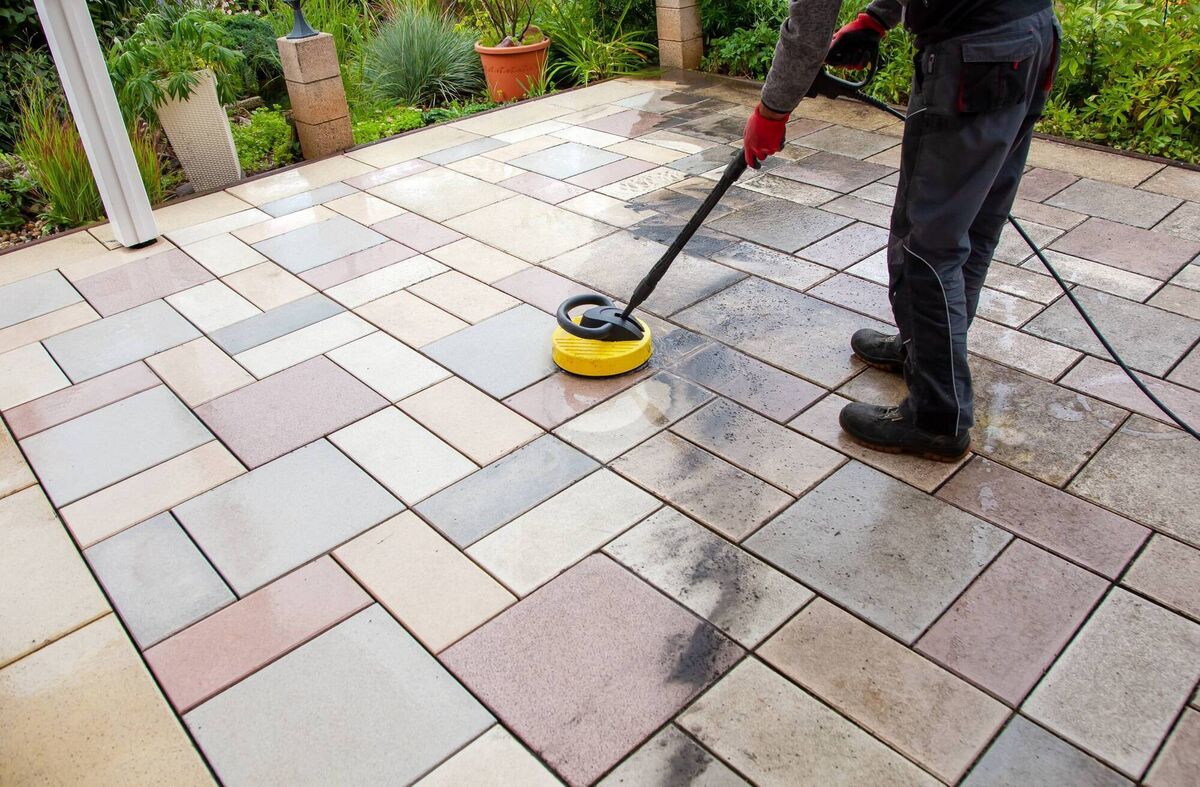
Trim the power of the machine, choose a gentle pattern, keep your distance from softer paving, and work at a 30%-45% angle to reduce the force of the blast. Sweep don’t drill. Dedicated patio washing wands have rotating brushes trained on the ground, set under a bonnet. Far safer.
Before you start, consider run-off to the water table. Biodegradable, homemade solutions (that are bleach-free) won’t poison the surroundings. Any heavy chemistry you deploy during slime and weed control will inevitably get into the ground, especially where it’s sluiced off across hard paving. Most commercial path and patio cleaners are relatively tough, containing a solution of either benzalkonium chloride or a mild acid wash. Choose the kindest methods first, using commercial weed control in a targeted, minimal way.
Unlike two-part epoxy resins used in stone paving, soft joints are easily disrupted even with a hand brush and will be evacuated in split seconds with a power washer. Repair voids with horticultural sand pinched together with a little jointing stabiliser and pressed firmly into the area. Keep this mixture made up in a bucket and pack it in when you’re finished cleaning.
DanSand delivers a desert-like environment to inhibit the germination of weed seeds. 20kg for €18.99, Woodies DIY. With hard pointing, you may need to do occasional repairs. Clean out any loose material before starting, and match the colour in a ready mixed paving jointing mortar closely to the existing grout materials. For brick walling, Soudal does a handy Cement Repair Express in a 290ml tube if you’ve run amok with the power washer. €9, multiple outlets.
Where you jump to algicidal “no-scrub” detergents with blistering, lasting results promised over a few days, use as little as you can get away with. Wear rubber overalls, protective goggles, and gloves to spare your skin and eyes. This and many other products are lethal to pond fish and reptiles. Avoid your flower beds and containers and apply sparingly using the droplet setting on a sprayer, a paintbrush or the integral tools offered by the maker.
There are non-toxic, organic alternatives that can be used on paths and even taken up over greened-up walls. My choice is Algon Path, Patio & Decking, which not only cleans without scrubbing but it’s not drawn into plants and is safe around ponds. It leaves a residue that can help to keep a well-ventilated, well-designed patio cheery for up to a year, and can also be used on wood fencing. €14.95 for 2.5l, multiple suppliers.

CONNECT WITH US TODAY



Be the first to know the latest news and updates