Peter Dowdall: I love a neat lawn, but not at the expense of wildlife 
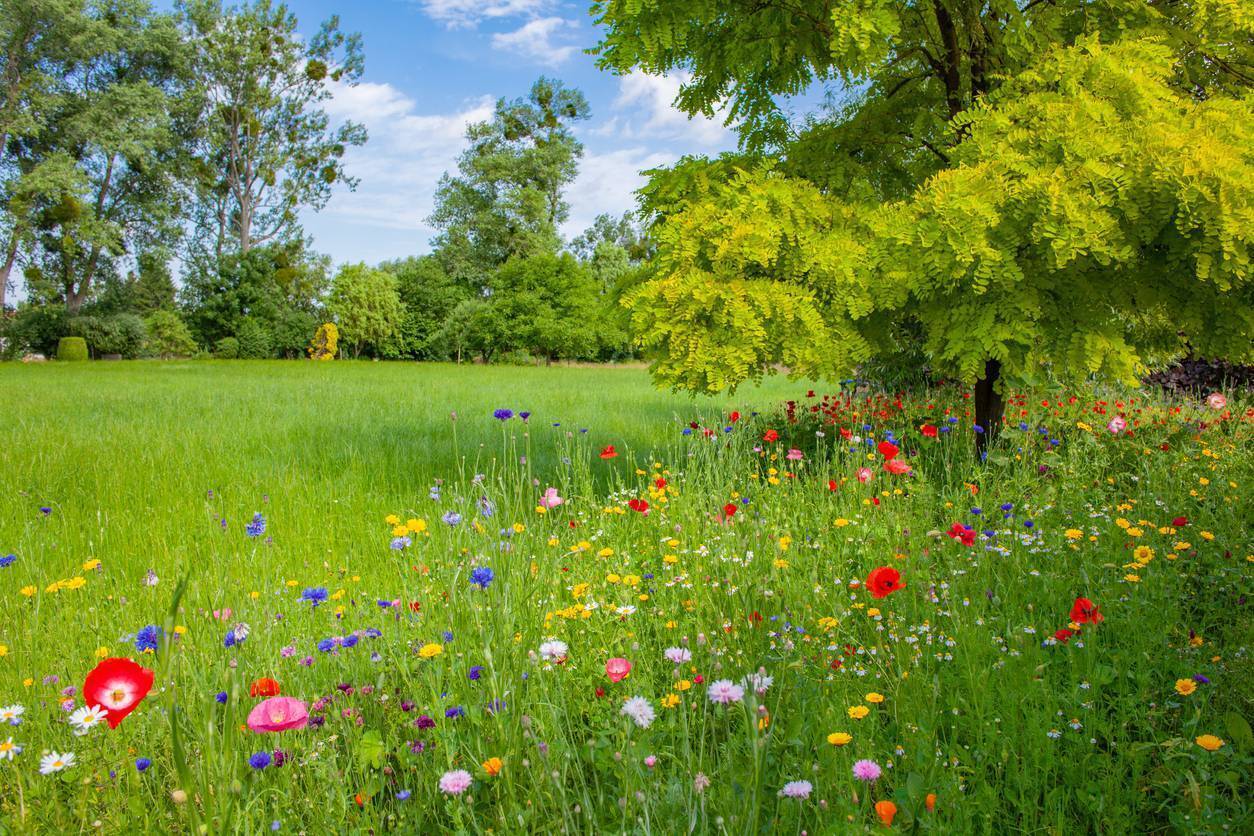
A chemical approach to lawn care is ecological vandalism. I see the value of wildflowers and let  areas go wild in the garden
Peter Dowdall: I love a neat lawn, but not at the expense of wildlife 

A well-maintained should never be at the expense of surrounding wildlife and biodiversity, says Peter. File picture

We are coming into that time of year that I dread. It’s not that I don’t look forward to the spring, I most certainly do. I love this time of year and all the promise that it brings, bulbs opening up into bloom, the first of the perennials poking their heads up above the ground, and magical nodes on deciduous shrubs bursting into life once more.

I am watching by the day to see when I can get out and give the lawn its first cut.

I will cut it high just to stop it from getting too unruly, as I don’t want to damage any dandelions which are on my lawn before they open up their valuable and beautiful blooms.

Why do I dread it?

Because over the next few weeks and months, we will see all the marketing ads teasing the viewer with images of horticultural nirvana and, at the same time, encouraging us to pour damaging poisons on our gardens and lawns.

This chemical, blanket-bombing approach to lawn care is simply ecological vandalism.

For many years now, many — myself included — have been espousing the value of wildflowers and simply letting areas go wild in the garden.

But as we seem to be living in an increasingly divisive world, where you must be on one side or the other, it seems that this black-or-white approach has found its way into gardening. It’s like you must not have a well-maintained lawn and you can only have a wildflower meadow or else you’re doing the wrong thing.

I couldn’t agree less with this sentiment as I feel that diversity is what is all-important, in my opinion as well as in the garden.

I like a well-maintained lawn, however, this should never be at the expense of surrounding wildlife and biodiversity.

It’s all about doing it the right way, and pouring chemicals, weed, feed and mosskillers or lawn weedkillers is not the right way to maintain a lawn.

A healthy lawn, like any element of the garden, cannot exist in isolation — it needs healthy soil and a wildlife population, both of which are damaged by these chemical products.

The Lawn Association is a leading educational platform in Britain, dedicated to promoting sustainable lawn care practices and dispelling common misconceptions within the industry.

Chairman David Hedges-Gower has made a passionate appeal for a Britain-wide ban on all pesticides used in lawn maintenance.

Lawn consultant David Hedges-Gower. Picture: Lawn Association/PA

Hedges-Gower proposes an initial restriction within the retail sector, with the ultimate aim of implementing a comprehensive ban across the entirety of the country.

He raised concerns about the harmful effects of pesticides commonly sold in garden centres, arguing that “they often fail to deliver on their promises and are frequently misused, or overused, due to their weakened potency”.

He further criticised the excessive reliance on herbicides within Britain’s lawn care industry, attributing this to “misinformation surrounding the selection of cattle feed grass species”.

Drawing attention to the natural growth patterns of grass, he says native grasses spread horizontally, effectively filling in gaps and resisting weed intrusion.

But he lamented that the promotion of vertically growing grass species — such as ryegrass since the 1990s — has led to widespread failures, leaving lawns vulnerable to weed infestation.

In contrast, Hedges-Gower highlighted the success of golf courses and natural countryside landscapes, which thrive without extensive weed control measures by utilizing grass species that are well-suited to their environments.

The Lawn Association aims to debunk prevalent myths surrounding lawn care while advocating for environmentally responsible practices.

Hedges-Gower emphasized: “There is simply no justification for the use of pesticides in the vast majority of gardens.

“Implementing a nationwide ban would address numerous environmental concerns associated with their indiscriminate application.

“Lawns are intended to be natural and vibrant expressions of our environment.

“Through proper plant selection and maintenance practices, we can achieve healthy, pesticide-free lawns throughout the UK.”

Dandelions in a spring meadow.

The healthier your soil, then the healthier your lawn will be.

A healthy lawn, whilst perhaps not offering as much in terms of diversity as a wildflower meadow, is still a mainstay in most urban and suburban gardens — so it’s all about doing it the right way.

Personally, I have no problem with “weeds” growing on my lawn, I rather love the flowers of dandelions, clover, daisies, and self-heal.

So long as my lawn looks relatively green and is well enough maintained for the kids to play on it, then I’m happy with that.

After all, there were no lawn chemicals pre-Second World War, and it is the chemical companies that have programmed us into seeing these beauties as “enemies” to be killed at any cost.


More in this section

Revoiced

Newsletter

Had a busy week? Sign up for some of the best reads from the week gone by. Selected just for you.

Cookie Policy Privacy Policy Brand Safety FAQ Help Contact Us Terms and Conditions

© Examiner Echo Group Limited