New homes: Starter ideas for your first garden
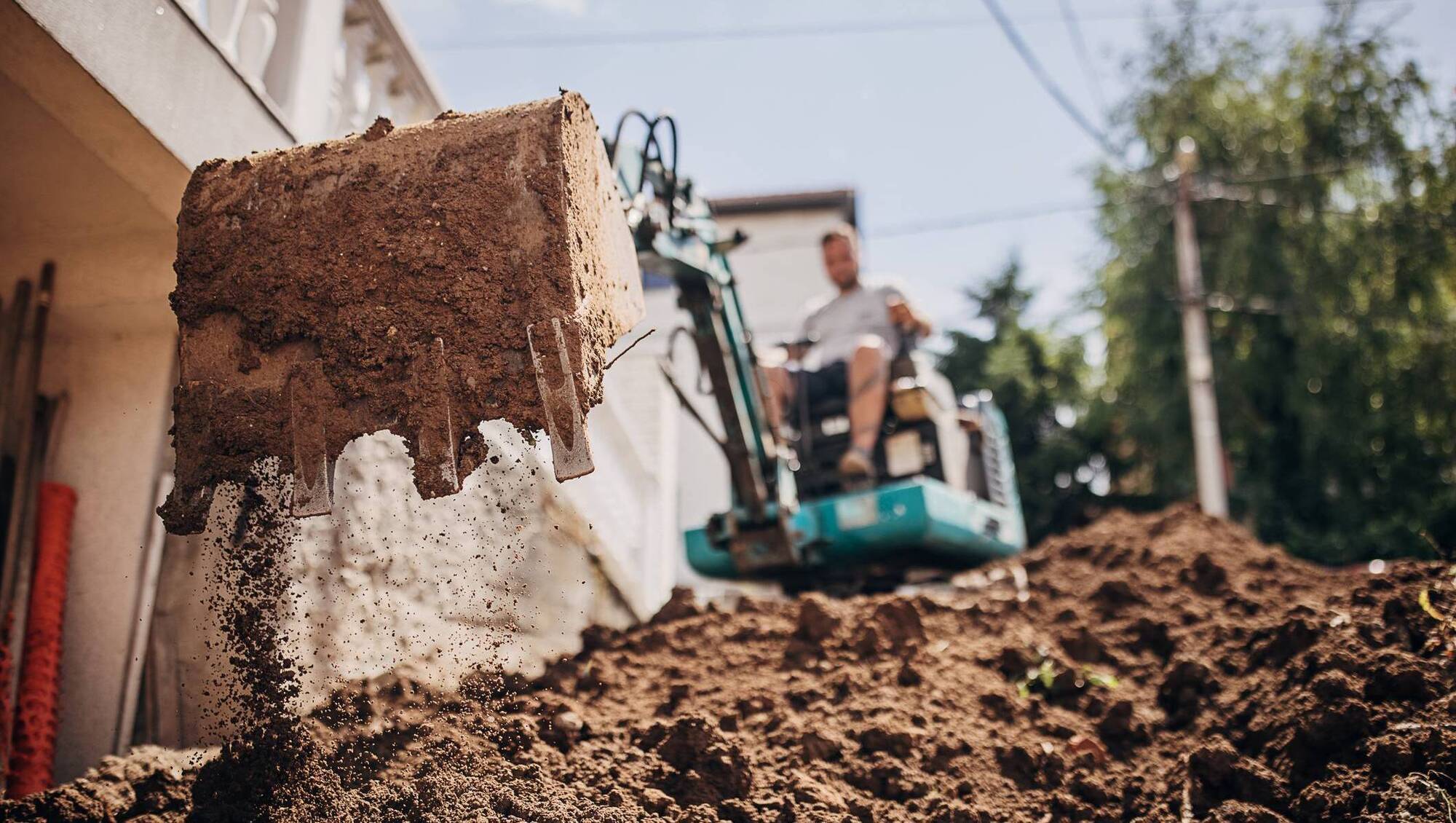
New home, first garden steps: Before you think about planting or even your topsoil, think about your subsoil.
Buying a new home is exciting. Fresh walls, clean lines, that sense of possibility … and then you step outside.
What greets most new homeowners is not really a garden, but a surface. A rectangle of turf, fencing, perhaps a patio already laid in a position that seemed convenient at the time. It looks finished, it isn’t.

The biggest mistake people make with a new garden isn’t choosing the wrong plant. It’s moving too quickly.
Before you plant a thing, stop for a while. If you are still at the build stage, or about to sign off on works, this is the moment to ask questions. Builders should be more than happy to accommodate reasonable requests if they are asked.
They may not thank me for saying that, but it is true. If you don’t ask, and they think you are not paying attention, rubble can have an uncanny habit of disappearing beneath an inch or two of soil.
Insist that all builders’ debris is removed, not pushed aside, not flattened, removed. Broken blocks, roof tiles, chunks of concrete and, occasionally, breakfast roll wrappers have all been discovered years later by frustrated homeowners wondering why nothing will grow. It might look fine in year one. In year three, when a tree refuses to thrive because its roots have hit compacted rubble, or part of the garden is puddling with water, the cost of putting it right is significant.
Ask about topsoil depth and don’t assume that a layer of soil and turf automatically means the job has been done properly. For lawn areas you want a minimum of 150 to 200 millimetres, roughly six to eight inches, of good-quality topsoil, and for planting beds ideally 300 millimetres or more.Â

Anything less and you are gardening in a veneer and shallow soil dries out quickly, compacts easily and restricts root growth, it is one of the most common hidden problems in new estates.
Just as important is what lies beneath. In many new builds the subsoil has been heavily compacted during construction, and simply spreading topsoil on top does not resolve drainage issues, particularly in our wet and getting wetter, climate. The subsoil may need to be properly broken up first and, in planting areas, improved with grit and organic matter rather than relying on topsoil alone.
This is not about being difficult with your builder, but about having the right conversation before the final layer goes down. A short discussion with a gardener or garden designer at this stage can establish whether the soil profile needs attention before it is sealed under lawn, because once it is laid, correcting drainage becomes far more disruptive and expensive.
If hard landscaping is included in the build, think carefully before letting them install it automatically. A patio laid without consideration of shelter, privacy and where the sun is during the day, can end up in completely the wrong place. Lifting and replacing paving a few years later is costly and disruptive.
It is far better to wait until the garden has been properly thought through than to accept what seems convenient on paper. When you do start thinking more in depth about your garden, be that on your own or with a garden designer, you will look at different types of hard landscaping materials and the importance of continuity of materials throughout the garden.
If you decide then that you want a natural stone finish throughout the garden and the builders have provided you with a concrete patio, then it means either living with a disjointed garden for years to come or an expensive redo.
Sometimes developers include a budget for planting one or two trees. If that is the case, ask whether you can choose the species and the exact location, or whether the budget can be allocated for you to use directly.
A tree planted in the wrong place can block light to your main living area, outgrow its space, interfere with drainage or simply be the wrong tree for the soil. A well-chosen tree, positioned correctly, can transform how a new house feels whereas a poorly chosen one can become an expensive removal job in ten years’ time.
A new home can seem stark because there is nothing to soften it. The first layer of any new garden should be structure. Trees as focal points, hedging for privacy, defined planting areas that anchor the house into its setting. Colour and decoration come later but if you get the structure and layout right from the start then everything else will follow seamlessly.
This is why spending money at the beginning on proper planning is rarely wasted. Two to five thousand euro invested in design or structured advice at the outset can prevent multiples of that being lost later. Removing buried rubble, correcting drainage issues, lifting hard landscaping or relocating badly positioned trees are all expensive mistakes that can be avoided from the start.
You do not need to complete everything in year one, in fact, you probably shouldn’t. Focus first on soil preparation, structure and getting the fundamentals right and then allow the garden to evolve after that.

A new home gives you something rare, a clean starting point. Handled thoughtfully, it becomes a garden that matures with the house and adds real value, not just financially but by providing comfortable and attractive outdoor living space.
Property valuers reckon that a good garden can add 10-15% to the value of a home and if you think in terms of current market values, that is a significant chunk of change, so a bit of time and effort getting it right from the start makes a lot of sense.
If you’ve just moved in and want to avoid costly mistakes, a one-to-one Garden Guidance Session can help you assess soil, layout and next steps before you spend a euro.
Details at: theirishgardener.com/products/garden-guidance-session