Q&A: What is the cost of running a heat pump in Ireland's cold weather?
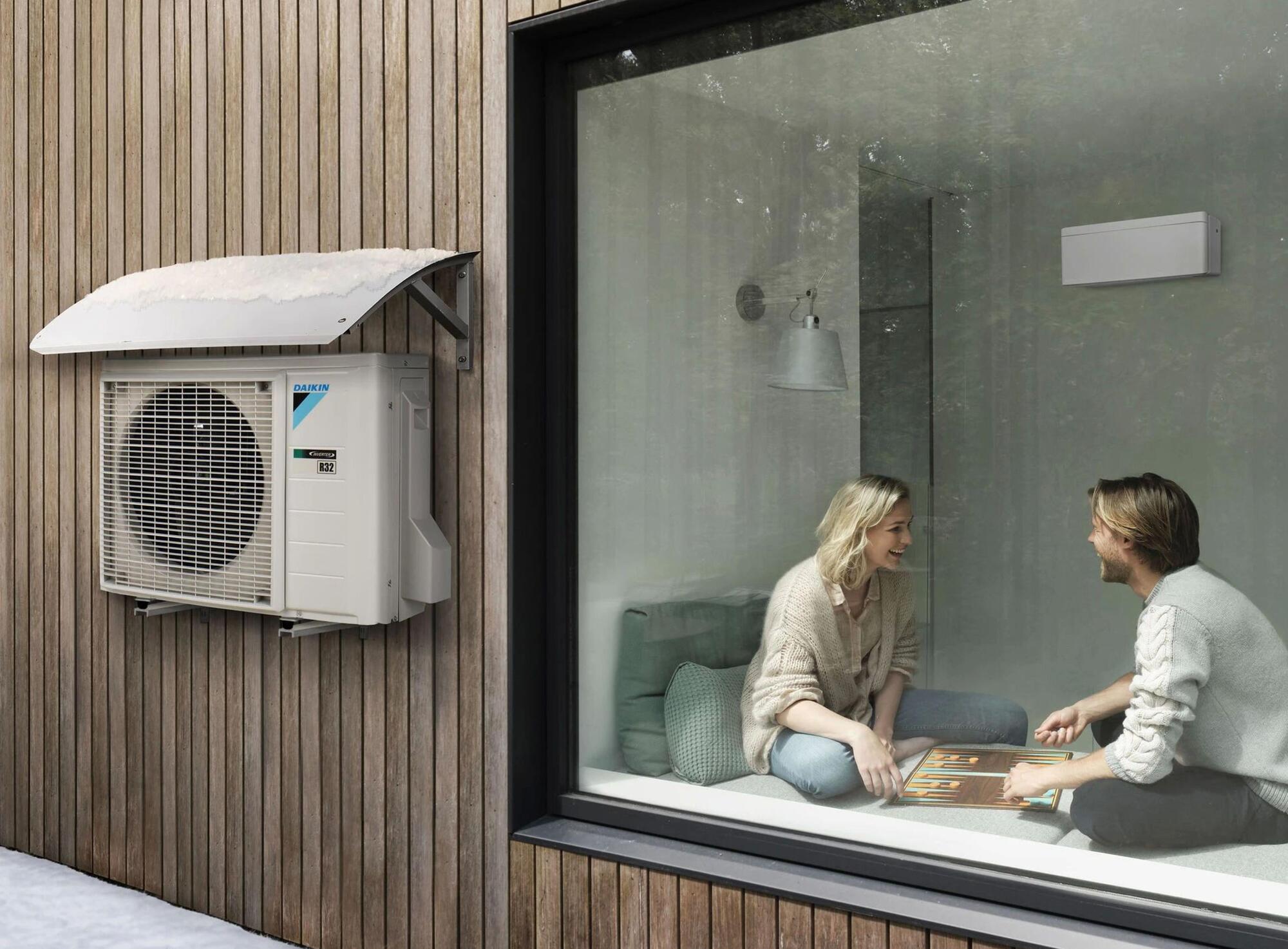
A Daikin wall-mounted heat pump. Heat pumps do not perform in the same way as oil or gas boilers. They are not reactive and need settings to match their 24/7 service in winter.
There are so many variables with homes and heat pumps (HP). The size and habitation pattern of the house, the insulation levels and air-tightness, the flow rate in the HP system, the efficiency of the pump, its size, type, emitters, and much more. Having spoken to dozens of installers and hundreds of users down the years, and stalked multiple user forums online including Heat Pump UK & Ireland on Facebook for several winters, real users with real families, seem to use between 15kWh per day and 50kWh per day on heat pump central heating (CH) depending on weather conditions. This might seem extraordinary, but you have to compare it with the cost of LPG heating, electric storage heating, or using oil heating over a year (rather than natural gas which it should at least match). HPs unlike fossil fuel boilers, are carbon neutral at the point of use.
There are some alarming posts on social media discussion groups reporting 70kWh-80kWh daily electricity usage, just to run a heat pump CH system. These seem to be confined to larger houses (not new builds), retrofitted with an ASHP, and not offering much information about the insulation levels of the home bar woolly words like “reasonable”. Sometimes users report running their system with a thermostat setting of 23C-24C routinely, which would be tropical for many of us. Running a HP system at 23C as compared to 20C will make a huge difference to a power bill, and if the settings are slightly off (more of that later) the pump may be simply ON and OFF repeatedly, tickling up the electricity demand.
There’s often a back story with these mega-bills. The sad fact is that well-intentioned, householders across Ireland and the British Isles, do install heat pumps without good advice as a “plug-and-play” replacement to an oil or gas boiler. In most cases, this is a costly mistake if the house has not had an independent energy survey, is not snugly insulated, and does not have MRHR or dedicated ventilation in place.
There also appear to be some issues with installer support when things go wrong. Even if it’s a case of a frustrated end-user fiddling with the settings during their first winter, I find these regular reports of neglect by a division of Irish HP installers infuriating, especially after a new commission, or the inheriting of a HP system from a builder or house seller.
Settings, maintenance, and the quality of the installation can have a huge influence on a heat pump’s performance. The efficiency of an air source heat pump (expressed as its Seasonal Coefficient of Performance or SCOP) will fall slightly in sub-zero temperatures. That is, the HP will use more kWh of electricity to deliver your heating. There’s no denying this. When installing a heat pump and applying for a SEAI grant (up to €6,500), the Technical Assessment that is obligatory to qualify for the grant should head off any issues with an improper installation to an unready home. Poor choices are often at the bottom of dramatically sky-rocketing winter bills.
Presuming the HP has been installed following a proper energy survey of the home or following a full SEAI Technical Assessment in the case of taking a grant, bills to run the system should be judged over a full year, not simply during a rare sub-zero cold snap.
An energy assessment will take into account the heat loss from the house (HLI). If the house is suitable, the HLI and cubic metres will indicate what size of heat pump will be needed. When your heat pump is installed, it is a reasonable obligation for the installer to do a proper handover.
This does not comprise a haughty “don’t touch anything” as they skim out the door after commissioning. You should have some idea of how to maximise the efficiency of your heat pump in just the same way as you would understand the settings on say a new HVO-ready condensing boiler.
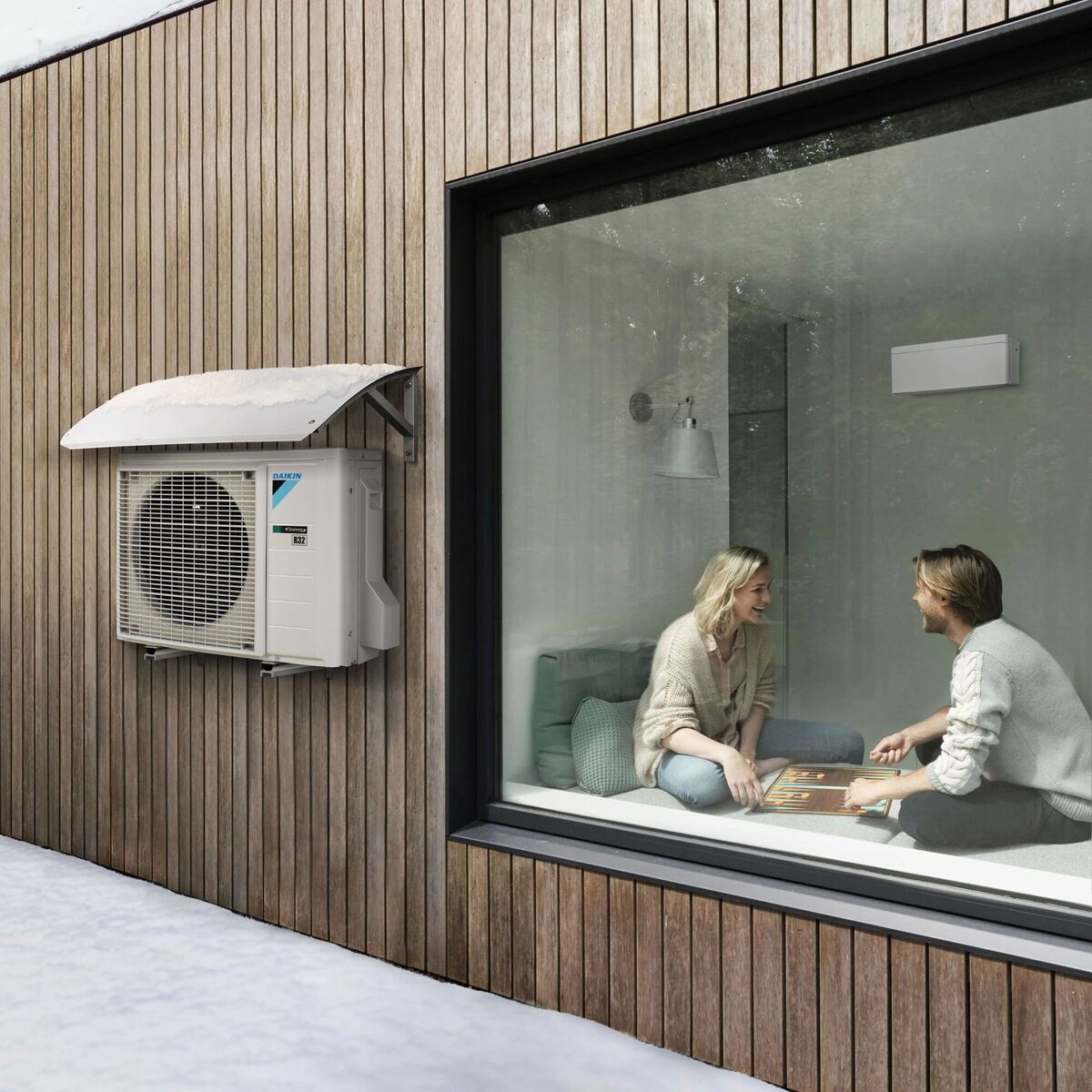
If you don’t know your set-back temperatures from your frost cycles, it’s time to rise to the challenge or pick up the phone (in most cases, I would suggest both). As an introduction to what you can do to adjust your system without wading too deeply into the weeds, I found this posting by the information portal for CH installers and users Heat Geek (UK) very useful. They include some information on hot water cylinder settings too: heatgeek.com/3-steps-to-maximise-your-heat-pump-or-boiler-efficiency.
At the very least you should have an idea about flow rates from your HP, and what that means in terms of heat output during the year, and how these flow rates alter during cold snaps and those buffer weeks between the onset of late spring and the arrival of true winter. This finessing should be handled automatically by the weather-compensation element of your HP system (basic or advanced), which will stop the pump just kicking on and off too often (increasing your kWh take from the grid). Modern boilers of all kinds feature weather compensation, but better pump brands offer more advanced compensator technology.
The lowest possible flow rates of water to maintain a comfortable indoor temperature will give you the most economic results from your heat pump central heating. If you are not happy to dig through the PDF with your system — to play with the flow rate and balance your system, starting with settings on the weather compensator and finishing with set-backs and zoning, it might be well worth having a recommissioning from a qualified heating engineer with a specialist interest in heat pumps. Hopefully, your original installer will come to your aid.
Another important issue is the tariff, the time-of-use electricity tariff. Once you have set your sights on a heat pump or have one installed, it’s vital to settle on the best energy tariff you can find for your situation. With a smart meter or day/night meter, there’s the possibility to cut your kWh cost down by as much as 75% during certain periods of the night.
If you are fortunate enough to have a PV-solar battery this can be used to download power during a cheap tariff period during the night, and then deploy it during the day, off-setting the running costs of the HP. PV-solar can contribute marginally to the running of a HP on sunny days during the winter too, but it’s important to manage expectations during the truly dark months of November through to March. HP heating will shine in our generally temperate climate, but you can expect the running cost to rise perceptibly in very cold conditions.
- For more information on heat pumps, insulation and the SEAI grant system see seai.ie
CONNECT WITH US TODAY



Be the first to know the latest news and updates