Peter Dowdall: How to plan and design your dream garden
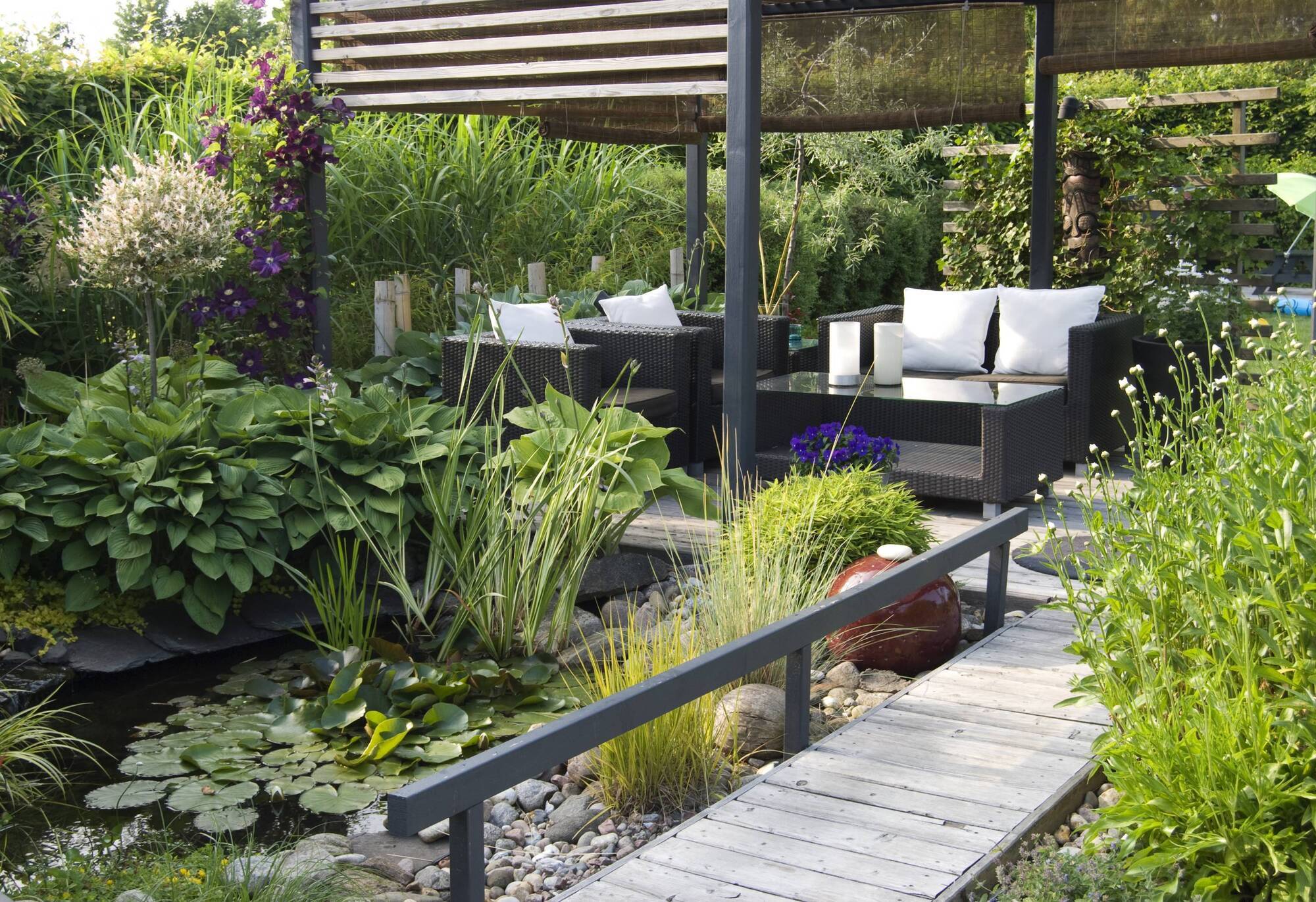
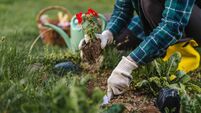
Do you want your garden to function primarily as an outdoor living and dining area? File pictures
A New Year means new beginnings and in the garden that is always so evident. A garden which seemed to be sleeping just last week before December 31 is now, just one short week later, a garden filled with promise and life, just waiting to burst through from under the soil when spring arrives.
This is a great time of the year to plan a new garden or to overhaul an existing garden.
Gardens are more than just spaces filled with plants and flowers; they are extensions of our homes and reflections of our personalities. When planning a new garden it’s crucial to understand the importance of garden design and how it can enhance both the beauty of your outdoor space and attract wildlife.
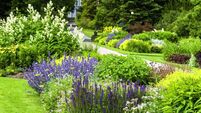
Firstly, garden design plays a pivotal role in creating a calming and visually appealing outdoor space. By carefully planning the layout, choosing the right plants, and considering the overall aesthetics, you can transform your garden into a sanctuary that brings joy and relaxation.
A well-designed garden can also increase the value of your property, making it an excellent investment for the future.
Secondly and essentially, a thoughtfully designed garden can attract a wide variety of wildlife. By incorporating elements such as bird feeders, nesting boxes, and water features, you can create a habitat that entices birds, bees, butterflies, and other beneficial insects. These creatures not only add beauty to your garden but also play a vital role in pollination and pest control.
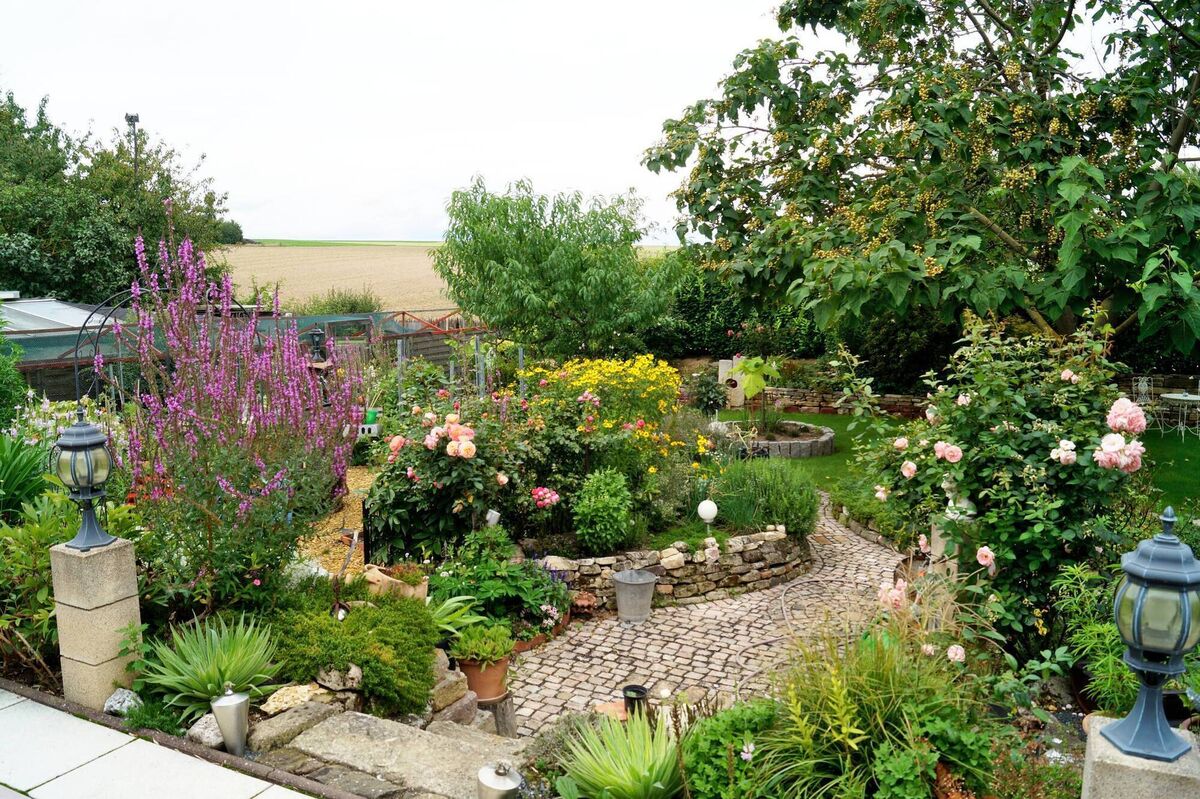
In today's fast-paced world, many of us lead busy lives and find it challenging to take time out for leisure activities such as gardening. However, creating a beautiful and wildlife-friendly garden can bring numerous benefits that make it worth the effort, namely, aesthetic appeal, stress relief and environmental benefits.
When it comes to designing a garden, one of the first things you need to consider is the space available and your budget.
Before starting any garden project, take a careful look at your outdoor space and evaluate what you have. Assess its size and shape, as well as any existing features such as trees, fences, or pathways. Understanding the layout of your garden will help you determine the best ways to utilise the available space.
As with any project, setting a budget is crucial to ensure that you don't overspend on your garden project. Consider the costs of materials, plants, tools, and any professional help you might need. By setting a budget from the start, you can prioritize your spending and make informed decisions about where to allocate your resources.
Once you have assessed your space and defined your budget then, look at what you want and define your objectives. What do you want to achieve with your garden? Identify your goals and priorities, as this will guide your design choices.
Are you looking to create a serene retreat for relaxation? Or perhaps you want the garden to function primarily as an outdoor living and dining area, or as a play area for children or maybe you wish for your garden to contain all these elements and more.
Your garden should be a place that complements your lifestyle. Determine how much time and effort you can realistically dedicate to garden maintenance. If you have limited time, opt for low-maintenance plants and design elements that require minimal care. This way, you can enjoy your garden without feeling overwhelmed by its upkeep.
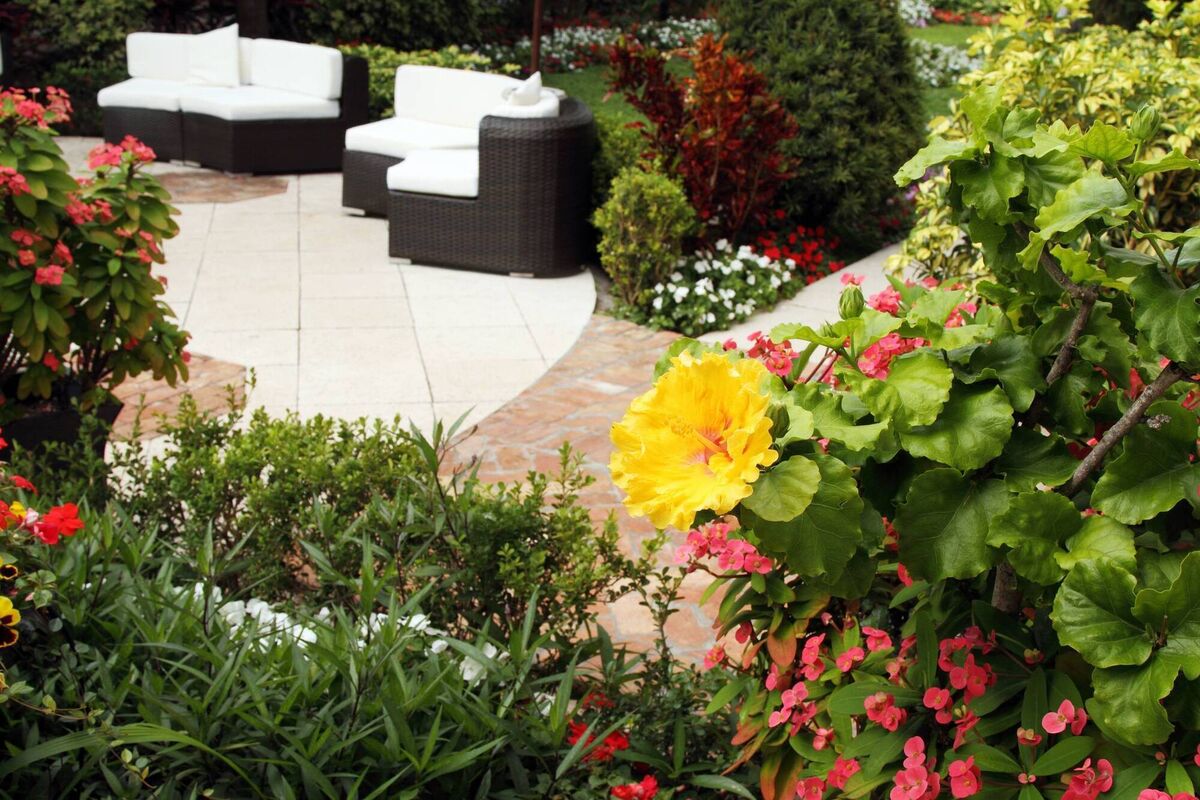
While creating a visually appealing garden is important, don't forget to consider functionality It's important to make the most of every inch of your garden.
Consider incorporating multi-functional elements such as raised beds that can double as seating areas, or trellises that provide privacy while also supporting climbing plants. By maximising the functionality of your garden, you can create a space that serves multiple purposes and saves you time and effort.
Selecting the right plants is essential for any garden. Choosing the right plants for the right places will mean they will require minimal care and attention.
Native plants are not only easier to maintain but also attract local wildlife, such as butterflies and birds. Additionally, consider drought-tolerant plants that can withstand dry periods without requiring constant watering.
Incorporating sustainable practices into your garden design will not only benefit the environment but also save you money in the long run. Install a rainwater harvesting system to collect and reuse rainwater for irrigation. Use organic fertilisers and natural pest control methods to maintain a healthy ecosystem. By adopting sustainable practices, you can create a wildlife-friendly garden while reducing your ecological footprint.
By identifying your design goals and priorities, you can create a garden that is not only beautiful but also supports and enhances local wildlife. Remember, garden design is a personal journey, and there is no right or wrong answer. Let your creativity flow and enjoy the process of transforming your outdoor space into your dream garden.
- Got a gardening question for Peter Dowdall? Email gardenquestions@examiner.ie

CONNECT WITH US TODAY



Be the first to know the latest news and updates