How gardens can play a role in preventing flooding
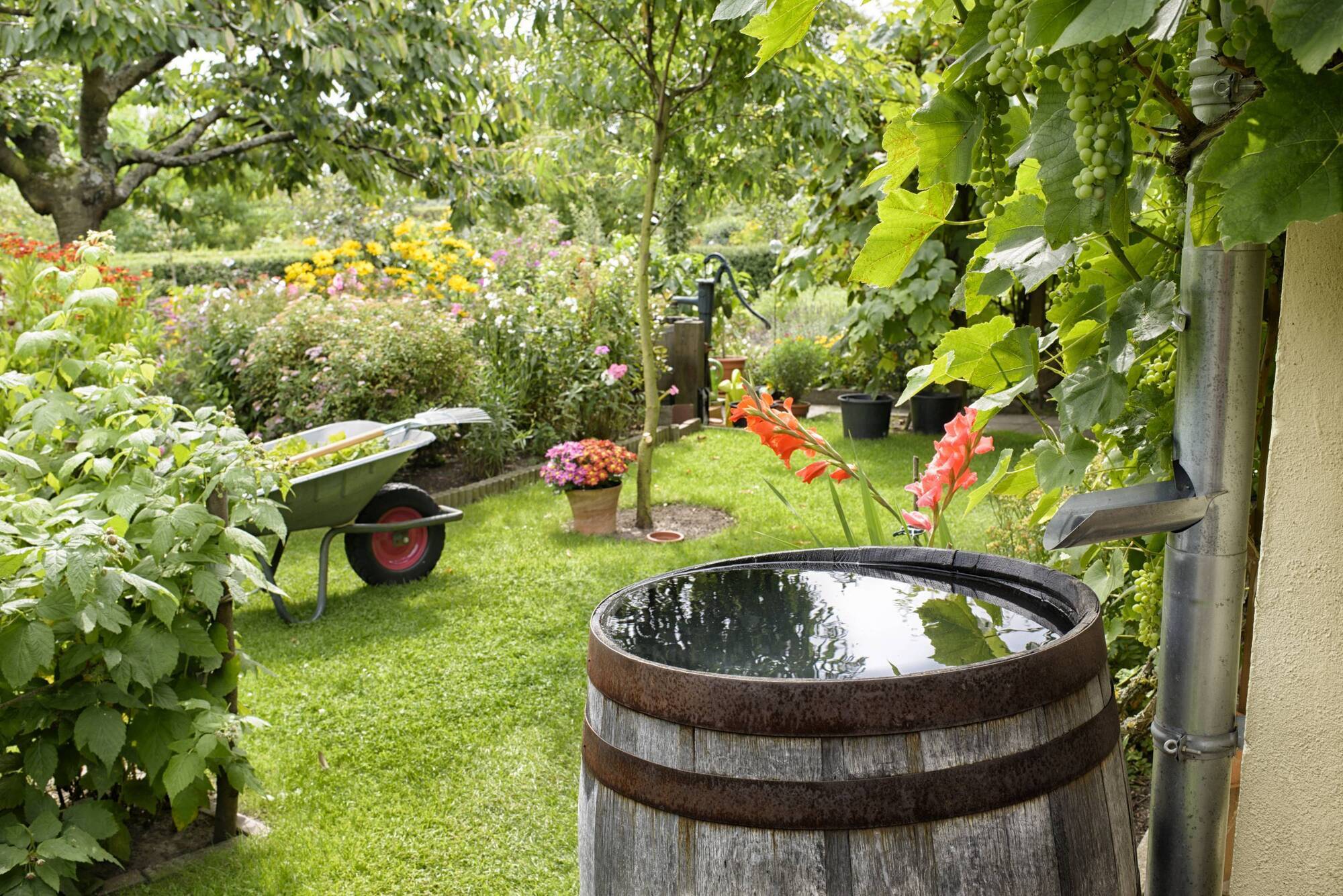
If each garden had at least one water butt which was filled with rainwater last week, how many millions of gallons of water would that have prevented from entering the waterways. PIcture: iStock
That tapestry in which ants crawl and giant oak trees grow is the same one in which we exist. Without the trees and photosynthesising plants, we have no air to breathe.
That natural world in which storms are created and from where heavy rains fall is the same one where trees grow, and flood plains have developed. This natural world of which, after millions of years, we still only understand a fraction, is the same place where beavers make their dams and fallen trees slow and divert rivers.
We need to remember, now more than ever, that we, as a species, are part of the tapestry which begins and ends in the garden. Nature or the Natural World is not something to be dismissed or to be thought of as just for the primary school nature table.
It is not something separate from us, it is us, we are nature. It’s not like we can exist in a world surrounded by glass, concrete and stainless steel and leave the natural world somewhere else and doff the cap to it every so often.
The recent flooding which has caused such heartbreak and misery is not a one off, and it's perhaps only going to get worse, so where’s the good news? Well, guess what has the answers, Nature and the Natural World.
Managing gardens and the landscape can play a huge role in alleviating flooding. There are many small things that we can do in our own gardens that will help to mitigate the impact of heavy rainfall.
Environmental consultant and Cork native Feidhlim Harty, specialises in the design and construction of wetlands reed beds, zero discharge and other natural sewage treatment systems. I remember listening to him speak at a Garden and Landscape Design Association (GLDA) seminar several years ago about water management in our landscape and what has been ringing in my ears ever since is his message that we need to slow the passage of water.
If we can slow the speed of water travelling in our streams and rivers, then this will have a hugely positive effect on flooding in our towns and cities.
In our own gardens, we can each help with this says Feidhlim. “Rain gardens, either raised or sunken will hold water and reduce the speed of it entering the drainage system and rivers if not preventing it from ever getting there.
Diverting rainwater into garden ponds will also help to slow the flow of water.
As gardeners, most of us are making our own compost from kitchen and garden waste and what you might not have known is that by doing this and then using this compost in our gardens, we are once more, helping to alleviate flooding. “Compost holds up to 20 times its own weight in water” says Feidhlim and “whilst it may be an invisible benefit, it is there right under our feet. If our agricultural system used solid waste management instead of liquid waste management we could reduce a huge amount of flooding in at-risk areas.”
Green roofs and green walls are also obvious ways of reducing water entering our storm drainage system which Feidhlim referred to and another very obvious one is the use of water butts. Just because it’s obvious, doesn’t mean that we should ignore it, on the contrary.
If each garden in Cork had at least one water butt which was filled with rainwater last week, how many millions of gallons of water would that have prevented from entering the waterways.
Wicklow-based garden designer, Frazer Mc Donogh specialises in water and its uses in the garden also has some novel ways of managing excessive rainwater.
“Harvest rainwater from the roof of your house or even your garden shed and divert this water into a pond, designing it in a way that it can overflow and flood in an area where it will do no damage, before entering the river or drainage system much more slowly and in lesser amounts.”
Again, that message is there, slowing the rate at which the water hits the drainage system. Another flood alleviation measure which Frazer has turned into a garden feature is a “dry river”.
“This is where I create a channel in the garden and line it with pebbles and rock. For much of the year, it will be dry but at times of excessive rainfall, it fills up and it can be designed to feed a pond or to simply flood into the garden where it will do no harm.”
Correct planting is of course necessary in such areas. Rain gardens and gardens which will flood temporarily will need careful plant choices and do you know where the best reference book is? You guessed it, in any rural area where the flood plain remains and where the river regularly floods.
We will learn more from these areas than we will from concrete and steel culverts designed to maximise the speed and flow of water.


CONNECT WITH US TODAY



Be the first to know the latest news and updates