Feed the birds: Ensure your garden is the pick of the perches
From birdhouses to feed types, here's how to host your feathered friends this winter in outdoor spaces of all sizes 
Feed the birds: Ensure your garden is the pick of the perches

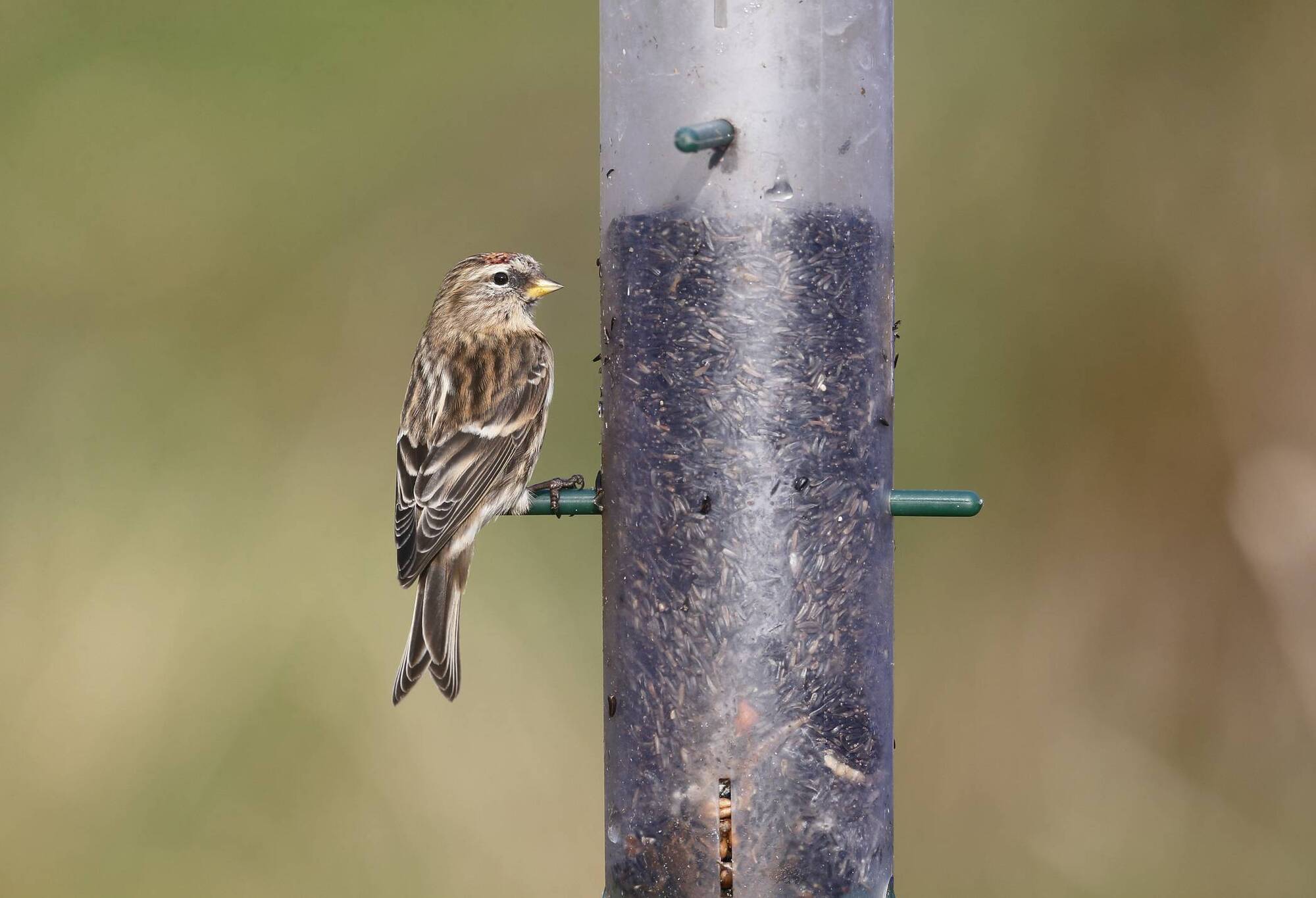
Some of the best deals in seed are in multi-buys online. Nyjer seed regularly attracts goldfinches, siskins and redpolls. File picture

There are plenty of devoted bird lovers who know more than I do about coaxing a chiffchaff or winding in a woodpecker to the garden. You ornithological veterans are most likely feeding our vulnerable native birds year-round. So, in this feature, I’m talking to all those fledgling bird enthusiasts who wish to set up something simple this autumn, suited to your budget and in whatever outside space you have available.

From November to March the natural food sources of fruit, berries, nuts and seeds have been depleted, and there are few invertebrates active and available, Birdwatch Ireland tells us.

“Furthermore, the weather is cold, meaning small birds must use more energy to stay warm, and the days are shorter meaning there’s less time to find food to recoup lost energy.”

Our native population is under intense pressure from urbanisation and intensive farming practices. Rich foodstuffs of 350-600 calories per 100g will give them a fighting chance.

Any efforts you make using well-placed feeders and good foodstuffs appropriate to wild birds are not wasted, and this is the ideal moment to get your bird-table adventures off the ground.

By feeding birds through the winter, you assist them into spring in healthy condition to nest and reproduce, and with a little forethought, you can provide not only sustenance from the tables and hanging feeders but also ensure your outdoor space is providing raw snacks and vital physical and thermal shelter.

Set up different feeding zones with individual tree or hook hung feeders like these whimsical, ceramic bird feeding houses by Suvila, €11.95 each, vivara.ie.

Placing the feed site, it’s worth thinking about how birds behave around a table. With a pre-determined pecking order, a flock of small birds or a variety of species with different levels of precociousness and size advantages will queue up to feed. They need a place to perch safely within view and reach of the table when their opportunity comes. The Royal Society for the Protection of Birds (RSPB) suggests a bush or open safe perching area around two metres from the table where they will have easy sight of any approaching predators including cats, mink or even rats. 

It could be a bush, a washing line, the nearest gutter edge, or the top of a wall. You’ll soon notice what they favour. Teased open high bushes are safer in that birds have less chance of being grabbed by a cat lurking at its base. Put off puss by placing thorny clippings on the ground around the bottom of the shrub or tree.

THERE ARE NO BULLIES

Big birds are not bullies — they are just birds. That said, wood pigeons, crows and magpies can dominate a feeder. Look for feeders with grid metal covers to admit smaller birds, and seed and nut openings designed for the beaks of tits, robins and other small foragers. 

Keep in mind these tiny creatures will expend a lot of energy getting to your garden especially as temperatures fall. Once you start feeding, ensure they can depend on a meal at that site. Leave your grass a little longer to nourish birds feeding on insects and worms, and don’t prune until any edible berries have shrivelled.

FEEDING STYLES

Now we have feeding styles. Birds will favour either ground feeding for seeds and invertebrates, or hanging styles that replicate taking insects and berries on the wing and bouncing over branches. We can cater for both, and you can use ground-feeding greedy visitors to clear up some of the mess caused by spill from tables and hanging feeders. 

Obviously, a classic birdhouse on a tall pole offers a lot of protection from ground attack and placed out on flags or on the lawn it raises the birdie theatre into a good position (1.2m-1.75m) allowing you to enjoy the action from indoors via your naked eyes or through binoculars.

BIRD TABLES

When buying a table, if it’s not designed to be sunk in the ground, ensure the feet are long enough to keep it upright in buffeting winds. If furry villains are climbing up a wood support, a length of plastic drainpipe can shroud the pole to prevent rats and squirrels from scaling it. The addition of simple, screw-on, angle brackets to a cheaper wood variety can help keep it level and stable.

To prevent hanging tables from spinning, hang any DIY creation from all four corners using a light chain. Wall-mounted trays are perfect for urban balconies and come in a wide variety of designs. Softwood bird tables will collapse in a few years — it’s unavoidable if you wash them off properly and regularly.

FEEDERS

Once a feeder is on glass (attached by suction cup), rodents may be encouraged to climb up rough renders and pebble-dash for a horrifying breakfast theatre. There’s also a danger of birds colliding with glazing during meal-time squabbles. 

A simple hook-style pole or wall mount can take several hanging feeders — perfect for apartment balconies and small yards with high walls. Together with cheap, tree-hung nut/seed feeders, I like multiple hook styles, as I can individually dismantle and refresh seed and nut feeders, washing them out occasionally and returning them with ease, protecting the flock’s health from bacteria, parasites and infection.

The scatter from the raised positions will be taken up by ground feeders where birds congregate. Out of control, this can again become a mouse/rat hotspot. 

Husky organic matter building up on the ground can also be a source of contamination, spreading disease between birds and leading to growth of weedy varieties present in the cheap seed mix. If you have room, split the feeding positions up. No-waste varieties of seeds are packed with delicious inclusions such as nyjer seed.

Together with the odd apple for the blackbirds, you can create rich levels of bird activity by adding a low-ground feeding site. Buy one in or follow an online guide to build your own.

The RSPB advises ground feeders should be mounted no more than 10cm off the ground (to allow the grass to “breathe”) and moved fractionally each time you put out food. This prevents both the build-up of droppings and damage to your lawn.”

Birdwatch Ireland tells us to concentrate on high-calorie foods like fat-balls, suet blocks, peanuts and sunflower seeds in winter.

Go for trusted branding and diversity above all. A source of fresh water, a good mixed seed product together with quality fat balls studded with extra seed inclusions offer a large number of birds just about everything they need. Suet balls, if you can only commit to one feedstuff, can be made at home and help birds regulate their temperature as a high-energy grab-and-go food source. Tail off their use in the spring as fat balls and cake are lower in protein.

Cheaper bird mixes will be padded with fillers, husks, lentils (almost useless to birds) and barley (not a favourite and likely to cause rooting behaviour). Economical 12kg-15kg sacks are €3.75 per kg for kibbled peanuts or dedicated robin and wren mixes with dried black soldier flies, sunflower hearts and whole-meal porridge oats. Mealworms can cost around €25 a kilo. Where money is tight, deploy pricier seeds, nuts and worms mixed through your standard seeds.

x

More in this section

Revoiced

Newsletter

Sign up to the best reads of the week from irishexaminer.com selected just for you.

Cookie Policy Privacy Policy Brand Safety FAQ Help Contact Us Terms and Conditions

© Examiner Echo Group Limited