Peter Dowdall: The garden pond is a sanctuary for biodiversity

And water features also provide us with the opportunity to grow aquatic and marginal plants
Peter Dowdall: The garden pond is a sanctuary for biodiversity

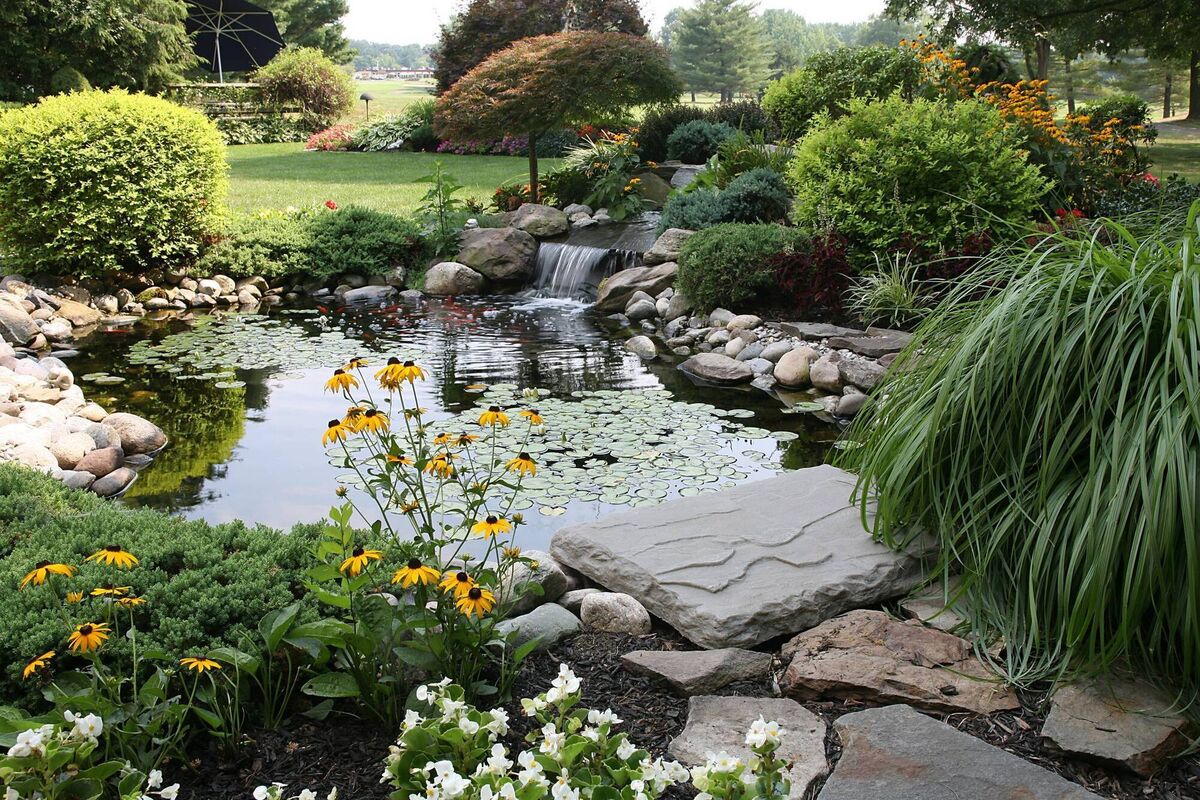
One of the key benefits of garden ponds is their ability to attract and sustain a rich diversity of plant life. File pictures

Garden ponds play a vital role in promoting biodiversity and supporting ecosystems within urban and suburban areas. These aquatic habitats offer a sanctuary for a wide array of plant and animal species, helping to maintain the all-important, natural balance in the garden.
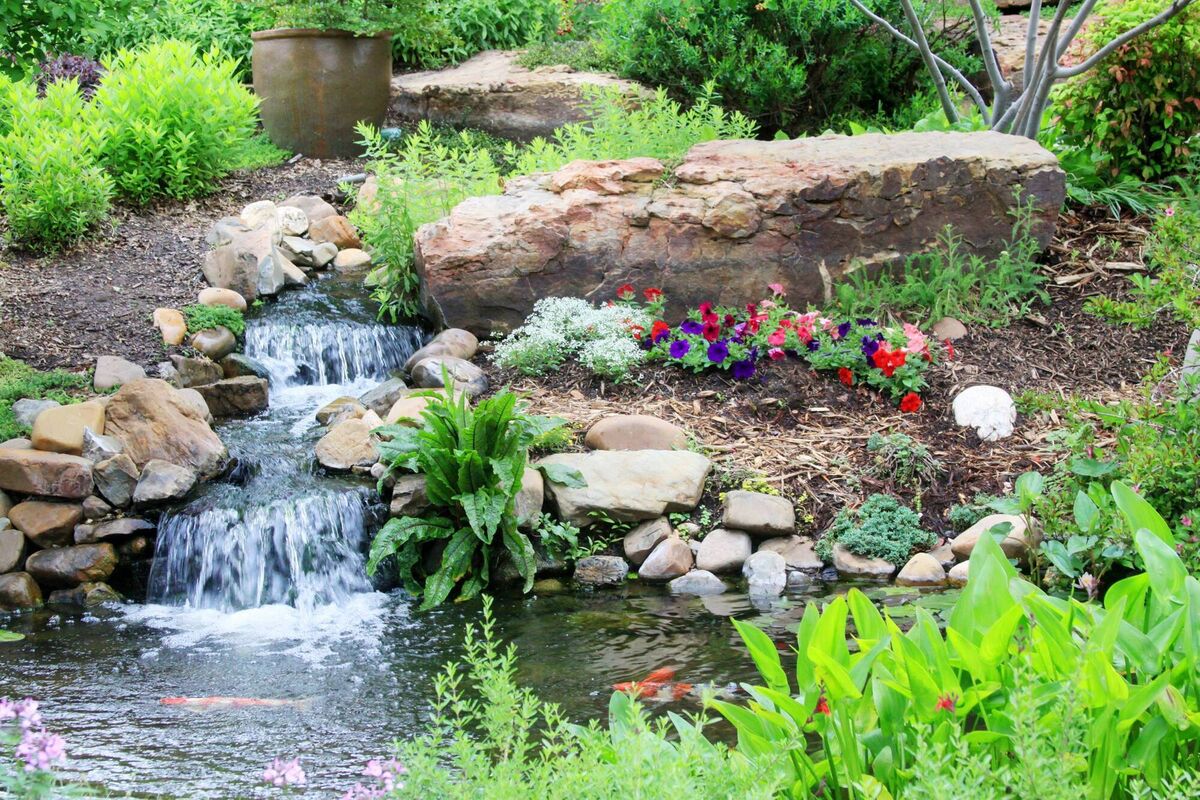
Garden ponds act as miniature ecosystems and serve as breeding grounds for amphibians, insects, and other small animals, attracting a host of species that rely on water for survival. Many of these creatures will repay your generosity in providing them with a home by taking care of many of your garden pests such as frogs which will feast on slugs and snails.

Of course, ponds aren’t just serving an ecological purpose, they also provide us with the opportunity to grow aquatic and marginal plants, introducing another dimension of beauty into the garden.

Garden ponds act as miniature ecosystems and serve as breeding grounds for amphibians, insects, and other small animals. 

One of the key benefits of garden ponds is their ability to attract and sustain a rich diversity of plant life. Aquatic plants, such as water lilies, reeds, and floating plants, thrive in these environments, providing shelter, food, and nesting sites for numerous species. The presence of these plants also helps to oxygenate the water and reduce the growth of algae, maintaining a healthy ecosystem for all inhabitants.

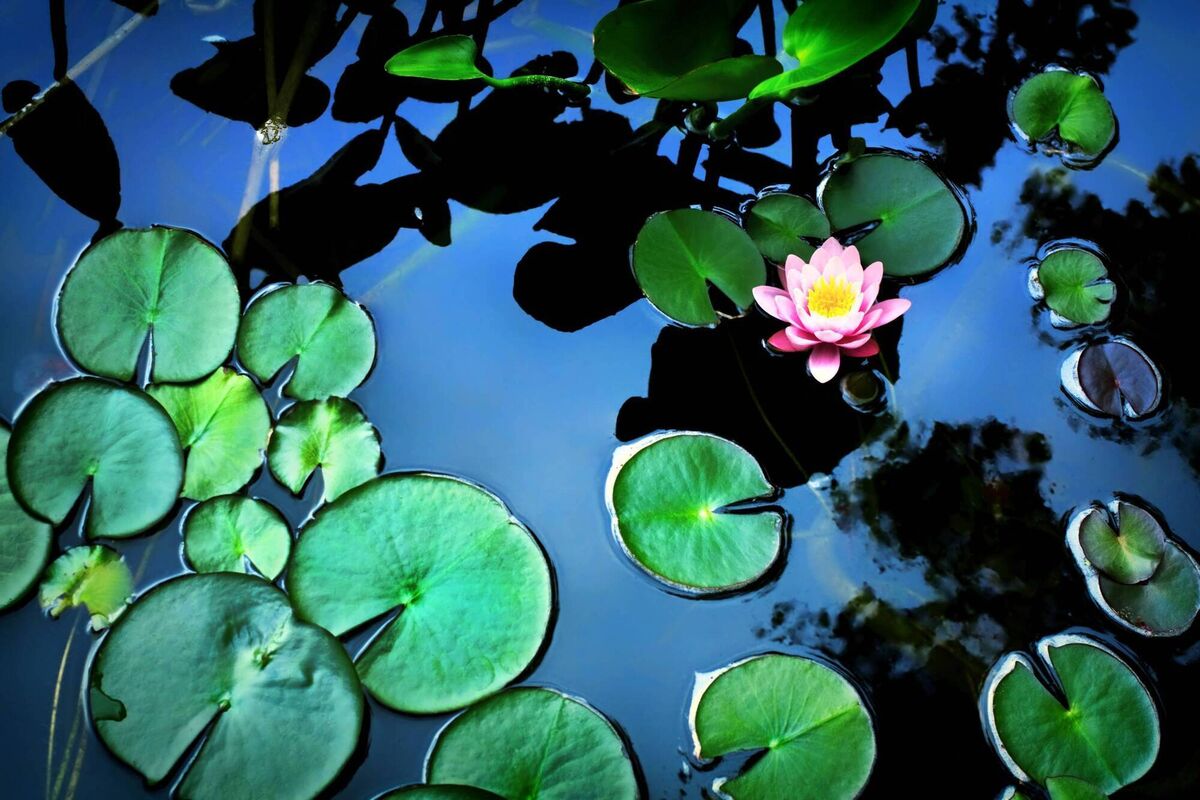
Nymphaea species, more commonly referred to as water lilies, are one of the most popular plants for garden ponds due to their vibrant flowers and broad, floating leaves. They provide shade and shelter for fish and other aquatic organisms, while their flowers attract pollinators like bees and butterflies.

Water lilies are available in various colours but keep an eye out for a particular favourite of mine, Nymphaea marliacea carnea, a beautiful, pale pink form with a beautiful yellow centre. The semi-double flowers have a delicious, vanilla scent.

Even the smallest garden can incorporate a wildlife pond.

If you can find it available, there is none better to plant than the native Irish Nuphar lutea, yellow water lily. The heart-shaped lily leaves provide a fabulous platform to show off the bright yellow flowers.

Even the smallest garden can incorporate a wildlife pond — it doesn’t have to be huge — but do be careful what you plant as some of them are vigorous to the point of being invasive.

When selecting plants for your pond, it’s important to consider their growth habits, water depth requirements, and compatibility with other species. Creating a diverse plant community with a mixture of submerged, floating, and marginal plants ensures a balanced, thriving ecosystem.

Marsh marigold, Caltha palustris, is a perennial plant with bright yellow flowers which will attract insects and pollinators and its leaves provide shelter and breeding sites. Water iris, Iris pseudacorus, is a hardy perennial that produces the most beautiful yellow flowers which will provide perching spots for dragonflies and damselflies, which are natural predators of mosquitoes.

Hornwort, Ceratophyllum demersum, is an oxygenator and excellent to grow in ponds to maintain good water quality. It is a submerged aquatic plant that absorbs excess nutrients, such as nitrogen and phosphorus, reducing the likelihood of algal blooms.

Pickerelweed, Pontederia cordata, is a perennial plant with distinctive blue-purple flowers and offers cover and nesting sites for birds and amphibians.

By incorporating various plant species such as water lilies, marsh marigold, iris, hornwort, pontederia, we can all create dynamic and ecologically rich environments within our gardens.

The ecological importance of garden ponds in providing habitats for a wide range of plant and animal species is being celebrated by An Taisce, who, in association with Galway City Council, is running a new ponds project to celebrate the role of ponds as reservoirs for biodiversity.

“Ponds are extraordinary reservoirs of biodiversity and have a critical role as Ireland faces significant biodiversity loss,” says Galway City Council’s biodiversity officer Paula Kearney. “Over 50% of Ireland’s amphibian wetlands have been lost to drainage, industrial peat extraction, pollution, and natural infilling in the past 100 years.

“Ponds host more biodiversity than rivers and lakes, particularly macroinvertebrates such as damselflies and dragonflies, pond skaters and whirligig beetles, and amphibians such as frogs and newts. 

.
.

"Permanent and naturally vegetated ponds are excellent for carbon sequestration.

“Recent studies found that small ponds sequestered 20-30 times the amount of carbon compared with woodlands, grasslands and other habitats”.

As part of the project, a workshop is taking place in the Clayton Hotel, Ballybrit, today from 10am to 12.30pm. An Taisce’s pond advisor Féidhlim Harty will give a talk on pond creation and management, and then host a walk around the new pond in Merlin Woods, a five-minute drive or 20-minute walk from the Hotel. This is a free event and all are welcome. Refreshments will be provided. Good footwear, warm clothes, and raincoats are advised.

More in this section

Revoiced

Newsletter

Sign up to the best reads of the week from irishexaminer.com selected just for you.

Cookie Policy Privacy Policy Brand Safety FAQ Help Contact Us Terms and Conditions

© Examiner Echo Group Limited