Time to breathe: The lost art of airing our homes
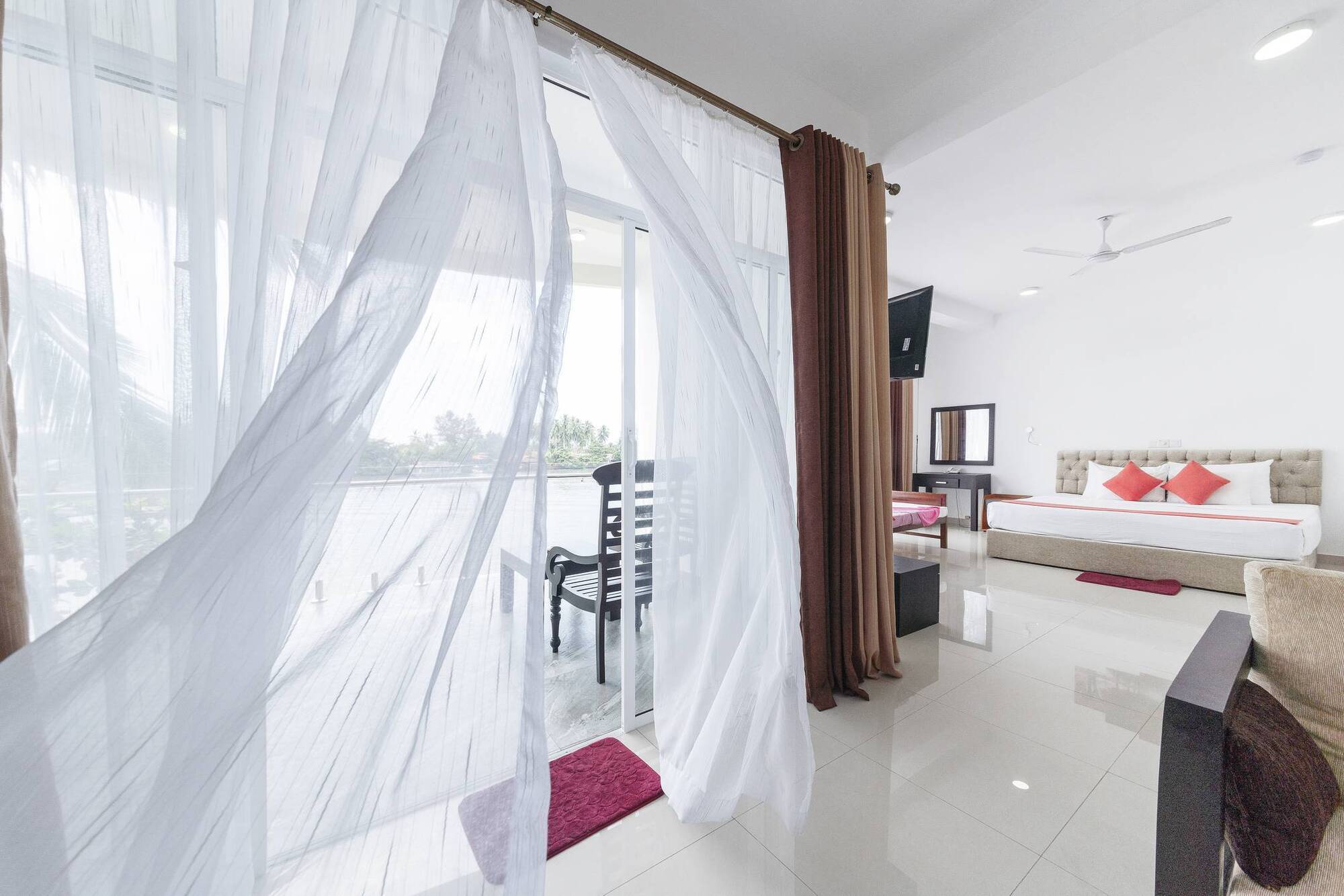
Luften is the practice, identified by different names in many countries of throwing open the windows in the morning and evening. Pictures: iStock
Airing. Come April, it was once a national obsession. Airing beds, airing rooms, airing the entire house. The energy-efficient joys of heat pumps, high insulation and air tightness with new technologies are disconnecting us from the tradition of flinging windows wide when we scented Spring’s approach.
Now, in the best “A” rated homes — fresh exchanges of air are not allowed to breeze in before the heat pump goes off. It’s invited in by the cubic litre as needed through fans and vents in the most humid quarters of the house. In Germany, the practice of “luften” (ventilation) or “Stoßlüften” (shock ventilation) has persisted. It’s proving a bit of a headache for the German government as they strive like all European authorities to improve on their national carbon emissions.
In a report in the German Energy and Social Science Journal produced by Munich's Ludwig Maximilian University, researcher Amelie Bauer explains, "The buildings we looked at were well insulated, but residents didn't fully understand the heating features, or the air recovery systems incorporated into the homes. They stuck to their habits and kept opening windows to ventilate in accordance with their preferences."
All that said, luften was originally a response to a real need for proper ventilation. Build tight and you must ventilate right. An air purifier won’t defeat serious condensation or solve a whole house issue of stale air.
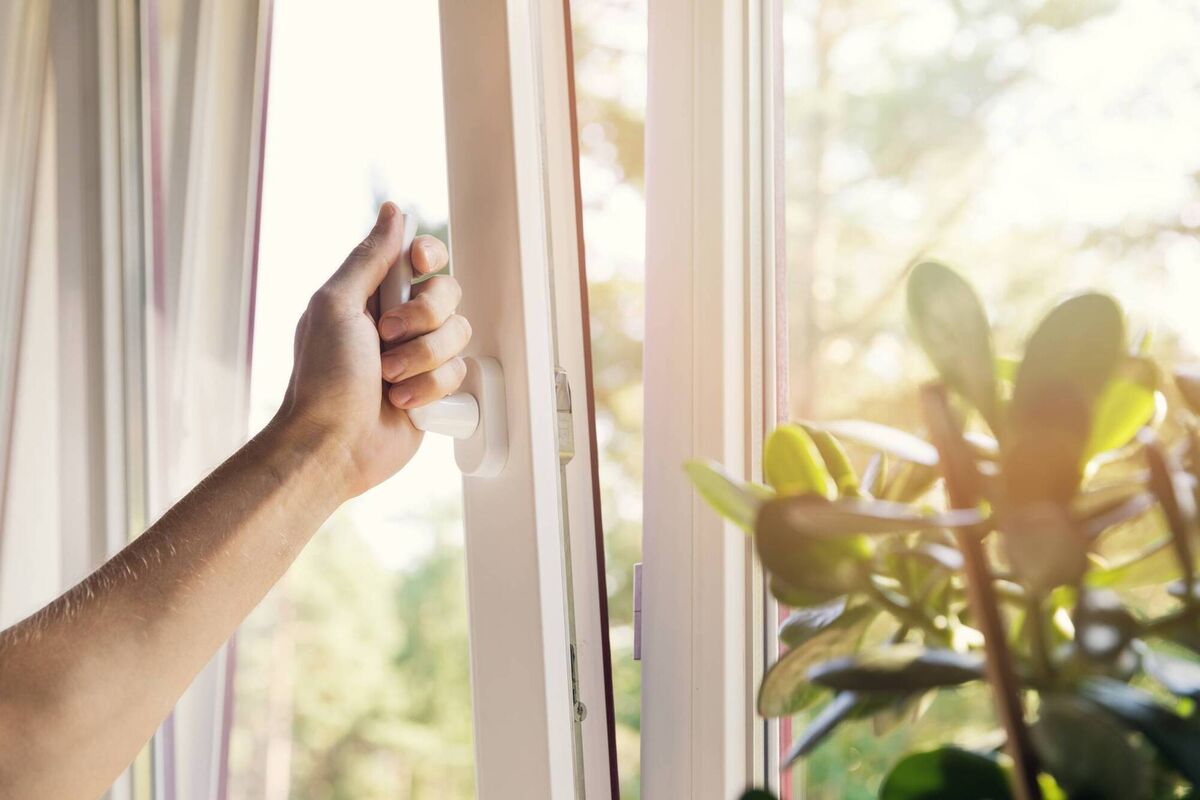
Luften is the practice, identified by different names in many countries, of throwing open the windows in the morning and evening. Generally, it’s a short, sharp shock of 3-20 minutes which dramatically changes the temperature in the living space, introducing a rip tide of cool, fresh air. This is termed here in Ireland as “rapid ventilation”. According to that study by the team at Ludwig Maximilian University, it’s ongoing popularity is defying efforts to regulate heat and ventilation systems in renovated and newly built apartment blocks.
Oddly, the practice of luften twice a day, is sometimes enshrined in the residential lease of older German buildings to guard against mould and odours caused by lack of adequate, air exchanges. During the pandemic, the additional benefits of “Querlüften” or cross-ventilation right across an apartment complex from one side to the other was actively promoted by local authorities as a guard against coronavirus by their environmental agency — tilting their windows which work as “kippfenster” to angle open by the split-centimetre.
When it comes to conditioning our air, we are still at war with ourselves, science, and the planetary demands to preserve and manage the heat load. In a time of transition, domestic Indoor Air Quality (IAQ) is an urgent matter in progressive building, environmental and scientific circles around the World.
Well, I have a confession. We live in West Waterford, and the outdoor air is nectar (with a hint of silage). I have a “B1” BER-rated home, but sleep with the wind cracked open 365 days of the year.
In summer they yawn wide from 7pm to 11pm, when we dive under the duvet. With the exception of the Baltic conditions of 2010 (where we slept entangled, our noggins in woollen hats) and despite adequate trickle vents in our windows — we love it. The idea of living at 20C 24/7 makes me itch. Perhaps I just lived in too many freezing old places and adapted in some weird physiological way. If you’re not Gen X — look up the word “chilblain”.
Sleeping this way is not necessarily, soundly healthy. In summer airborne allergens can just float in, and the quality of air in many cities and towns, heavy in particulate matter is dire night and day, year-round. MVHR also manages humidity levels, so when and if we all can finally enjoy the systems in our newly renovated homes (don’t hold your breath) — the quality of the air in a stifling summer will be fresher and crisper even with the windows sealed.
When it comes to airing out furniture and bedding, the trending Scandinavian sleep method demands two duvets to a double bed, giving each person sovereign, tug-free territory. Some practitioners also advocate a sharp short airing of the top covers.
Simply put, you throw the duvet cover over a rail, clothesline or balcony for an hour or so (I feel the dew falling here in Ireland) and then fling it back onto the duvet before burrowing in. The sensation is initially bracing but warming up the pocket of personal air between the mattress and the top covers, knocks us out and makes us feel just a bit more alert the next day.
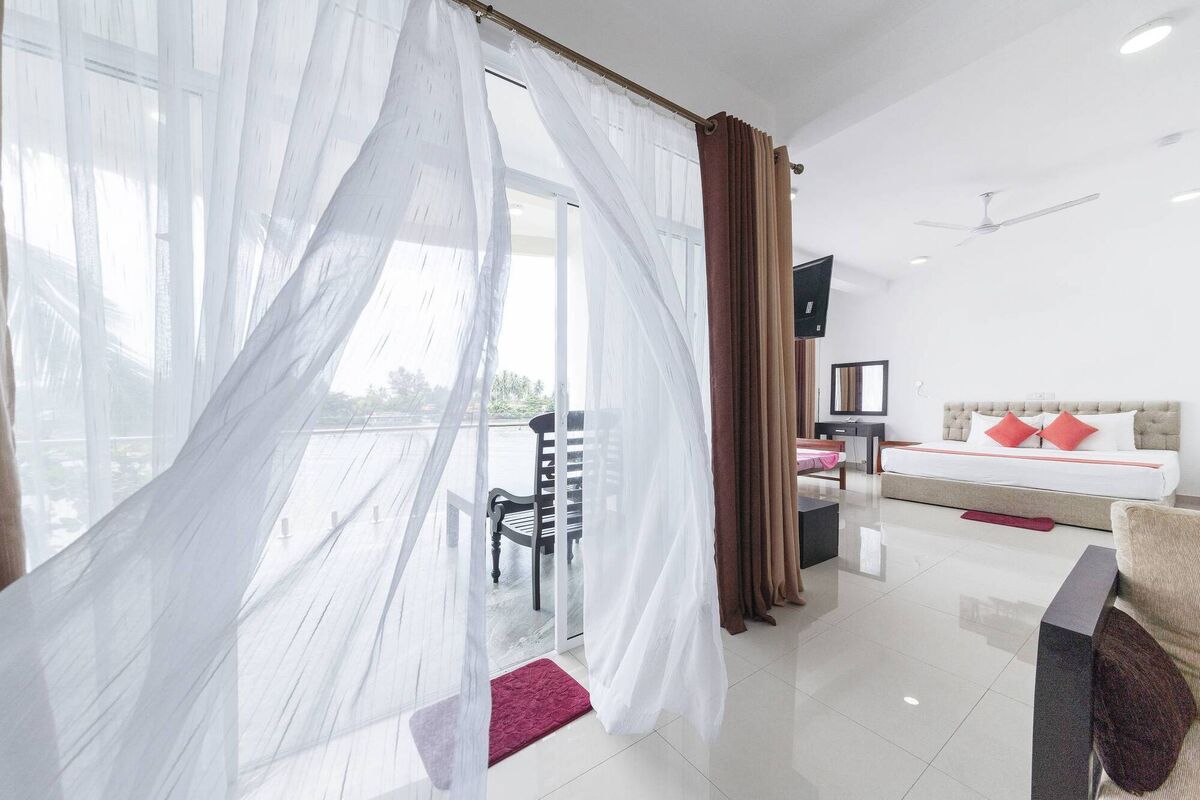
Airing a bed is universally acknowledged as a healthy practice. In recent years this has been described as “unmaking” the bed, or more simply, throwing back the covers completely to allow the sheets, duvets and most crucially the mattress to breathe. Many influencers and retailers, including SwedishLinens, are proud of the practise, posting tossed beautiful linens cresting in soft buttery waves as relaxed casual charm. Their pages are full of rumpled bedroom sets that would send an Irish mammy into muttering outrage.
If you are a window-flinging, luften-type, this would be the moment to create a cross draught in the room for just a few minutes as outside temperatures perk up in late spring. Open windows at two points, and the air will skate across the room, removing spores and small particulate matter.
To get a really fresh bedroom combine vacuuming the carpeting, the bottom sheet, giving loose soft furnishings a walloping outside with routinely unmaking the bed. Allowing the mattress to fully breathe will keep the linen cleaner between launders.
All that said, a 2020 study published in Science Advances by HomeChem for US and Canada, found that airing or fast air exchanges in a room, used alone doesn’t reduce indoor pollutants released into the air from building materials, cleaning products and “off-gassing” from furniture.
These nasties settle on surfaces and lodge. Once disturbed they can float back up into the air we breathe. The solution? Combine regular ventilation systems and manual airing practises (if needs be) with less heavy chemistry at home. Clean regularly and thoroughly with green alternatives, and when you have the opportunity to progress, use low VOC materials when building or improving to cut down on burden of toxins introduced into the atmosphere in the first place.
To find out more about managing your air quality in multiple ways traditional and radical, jump to my interview with Dr Marie Coggin, Exposure Science Lecturer at School of Physics at The University of Galway: irishexaminer.com/property/homeandgardens/arid-30985655.html


CONNECT WITH US TODAY



Be the first to know the latest news and updates