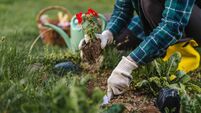
Peter Dowdall: Prison gardens can nurture positivity for all 
A prison gardening enterprise is yielding growing rewards for its participants and for society, writes Peter Dowdall
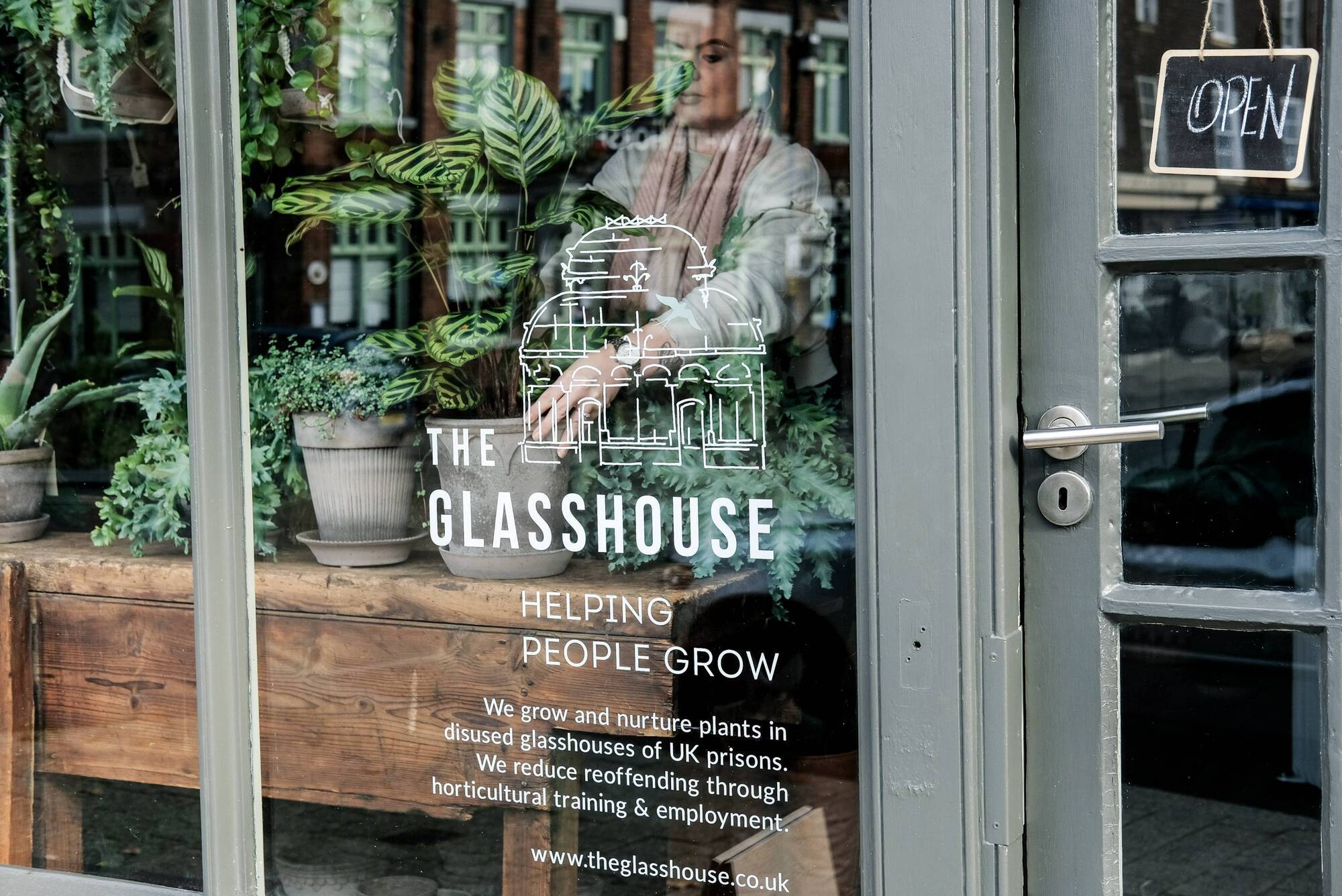
The Glasshouse project provides horticultural training and employment. Pictures: Diana Yule, Yule Studios

The Glasshouse project provides horticultural training and employment. Pictures: Diana Yule, Yule Studios

Those of us who know our plants and who enjoy getting our hands dirty already know it and those who don’t can only stare and wonder.

What am I talking about? The plethora of benefits that come from gardening.

Physically, of course, a day spent in the garden is better than any gym workout but mentally too, our minds seem clearer and we feel more at peace after time spent outdoors and after connecting with Mother Earth.

GREEN SPACES

That’s not just my rambling thoughts and observations as there are many scientific studies done on this,which prove the mental health benefits of working in the garden and even just having access to green spaces.

Those who don’t garden or work with plants just don’t get it, do they?

But trust me: You’ll never meet a cranky gardener!

You see, some people think that other stuff is important and they have no concern for the texture of the soil or knowledge of how to take semi-ripe nodal cuttings.

No, they’re not worried about the low, overnight temperatures affecting newly planted seedlings or slugs feasting on the hosta, but you and I know that these are the really important issues.

Now, though, a perhaps unexpected cohort is discovering the benefits. 

Learning to garden has proved a powerful source of health and wellbeing for a group of horticulture students in a UK prison.

BREAK THE CYCLE

East Sutton Park women’s prison in Kent has developed a gardening social enterprise called The Glasshouse.

The Glasshouse aims to break the cycle of reoffending by training women in prisons to propagate and nurture houseplants in previously disused prison glasshouses.

Residents of the prison work towards their NVQ horticultural qualification whilst propagating, growing and nurturing houseplants and gain practical support, a sense of purpose and the best chance of a good life for themselves and their families on release.

The Glasshouse project has not only provided them with skills for life through horticultural training and employment, but it has proved to be invaluable in providing a positive sense of wellbeing.

Their work is also crucial in rehabilitating prison leavers to prevent reoffending — something that costs taxpayers up to £18 billion each year in the UK and I imagine a similar pro rata figure here in Ireland.

Research shows that just 23% of prison leavers manage to get a job within six months of their release.

The Glasshouse project aims to change that statistic by providing emotional, employment and housing support upon release. The enterprise is based on the proven physical and emotional benefits of being close to nature, improving confidence, positivity and outlook. One resident commented: “The Glasshouse has given me a real sense of achievement. “The commitment it takes to nurture and grow the plants has helped me overcome challenges with my mental health whilst in custody.” Who would have thought houseplants, which we may think of as nearly insignificant, simply pretty things to admire indoors, could have such a profound impact on society? Once more the power of the natural world is being recognised, for these plants have also been identified by NASA as the best air purifiers in the world.

Since the project’s launch at HMP East Sutton Park in 2020, thousands of easy-care, oxygenating plants have been delivered to homes and offices across the UK.

Many prisons have disused glasshouses and growing spaces. The Glasshouse plans to put them back into service, assisted by the residents.

SECOND CHANCES

The intention is to expand to additional prisons, bringing life to unused resources and offering second chances to more ex-offenders across the UK.

Profits are reinvested to expand and grow programmes in prisons and to support ex-offenders after their release.

Wouldn’t it be just fantastic to see initiatives like this take root in Irish prisons?

As another resident commented: “The Glasshouse work and the team has supported my mental health which was very low when I came into custody. The project has also given me an opportunity to care for the plants which is something I was desperate for.”

In an Irish context, it could be extended to outdoor areas in prisons where residents could be encouraged to grow their own food and further, it could supply local homes and businesses again, nurturing a positive purpose and mental health.

Before long, what they used to regard as important would be lost behind their worries about pH levels in the soil, carrot fly and the like. “Many former prisoners tell us The Glasshouse changed their lives,” says project co-founder Kali Hamerton-Stove.

“I hope one day this project will be available in all female prisons to give individuals support during their time there and provide new prospects for when they leave.”

More in this section

Revoiced

Newsletter

Had a busy week? Sign up for some of the best reads from the week gone by. Selected just for you.

Cookie Policy Privacy Policy Brand Safety FAQ Help Contact Us Terms and Conditions

© Examiner Echo Group Limited