Peter Dowdall: Dermot O'Neill left a legacy less ordinary
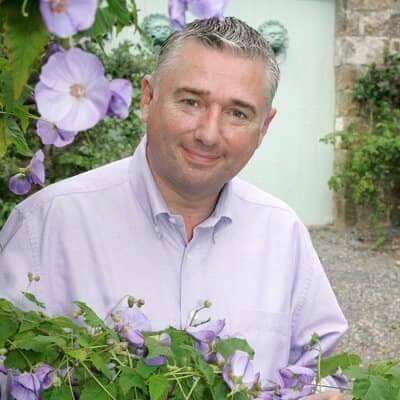
Dermot O'Neill. His very approachable manner and his clear love of gardening was infectious and made him an extremely popular gardening personality in Ireland.
The first chords of Auld Lang Syne make the hairs stand up on my neck, as do the lyrics: “Should auld acquaintance be forgot, and never brought to mind?”
As we head towards 2023, we will all remember those gone before and look forward to those new arrivals on the way and recently arrived.

The world of gardening in Ireland lost a great friend and gardener during 2022 and as his own family remember him today and everyday, I think it's fitting too that this gardening page should remember Dermot O’Neill on the last day of 2022.
Dermot began his career in horticulture in the famous Marlfield Garden Centre in Dublin.
His media life began in 1982 when he first appeared on RTÉ, presenting gardening programmes for children and he soon became a regular on our screens, on programmes including Live at Three, Open House and The Garden Show.
He spoke on the subject of gardening regularly on radio with Pat Kenny and Derek Mooney. His very approachable manner and his clear love of gardening was infectious and made him an extremely popular gardening personality in Ireland.
I met him several times over the years and was always struck by his generosity of spirit; Dermot was always delighted to meet other gardeners and answer any gardening questions that people may have.
Dermot’s first book was published in 1990 and there were several more over the years. He was at home in the garden and I’m guessing it is from that came his calmness and his gentleness.

I remember him calling me one evening out of the blue. It was the evening before one of the first gardening series that I presented on RTÉ and he was simply ringing to wish me luck. He was that kind of person, generous and kind, always there to lend a hand and offer encouragement.
It was fitting that for someone who was so at home in the garden that he would find a project such as the walled garden at Clondeglass in Co Laois. He purchased Clondeglass in 2000. To say it was in disrepair would be putting it lightly.
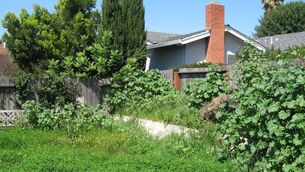
Nature quickly recolonises anything left to it and such was the case here in the garden near Mountrath. Built in 1820, when he first visited Clondeglass, there were sheep grazing the garden.
Restoring this garden became his life’s work for several years, salvaging beds and paths back from the clutches of brambles and scrub growth.
He documented and kept photographic records of his work in the book (Kyle Books) and in an RTÉ series from the garden broadcast during the restoration of the gardens here.
Unfortunately, in 2009 during the restoration of Clondeglass, Dermot was diagnosed with stomach cancer.
Describing the gardens as having a “beautiful atmosphere”, Dermot found them to be “very therapeutic” during the period that he was ill. “I was able to think about things that were growing in the garden and how they would come on in the spring”.
This connection to the garden and to the natural world were instrumental in how he dealt with the disease and he would readily accept that the garden gave him something to live for, something I can completely relate to as I experienced a very similar connection during my own struggles with cancer in my 20s.
Gardening was hugely important to Dermot and an intrinsic part of his life. He was passionate about certain plants and in particular, roses and magnolias.

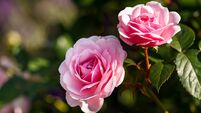
His love of roses came from being surrounded by them in his grandmother’s garden and it was fitting then that there was a rose named after him and the proceeds from the sale of Rosa Dermot O'Neill went to the Irish Cancer Society.
In 2016, the famous gardens at Mount Congreve in Waterford named a beautiful pink form of Magnolia campbelii Dermot O'Neill in another fitting tribute.
Dermot had to step back from his beloved Clondeglass as the illness progressed and once more Nature began to take it back.
Since 2021, Clondeglass is being tended to by Paul Brady who is continuing the restoration work as it had once more become overgrown.

It’s “like restoring an old painting, revealing layer by layer, you need to be delicate”, said Paul, who added: “I keep finding things that had been lost, whether plants or objects”.
Among many other roles, Dermot also served on the council of the Royal Horticultural Society of Ireland and was a founding committee member of the Irish Garden Plant Society.
More important than all of that, Dermot was a “gardener” and a true gentleman and the world of gardening in Ireland is a poorer place without him.
So, this New Year's Eve as we “drink a cup of kindness yet, for the sake of auld lang syne”, let us remember Dermot and all those who have left their gardens during 2022 and look forward with a gardener’s optimism to the spring of 2023.