Peter Dowdall: October is the month for garden makeovers 
October is the ideal month to look at beginning a new garden or rejigging an established one
Peter Dowdall: October is the month for garden makeovers 

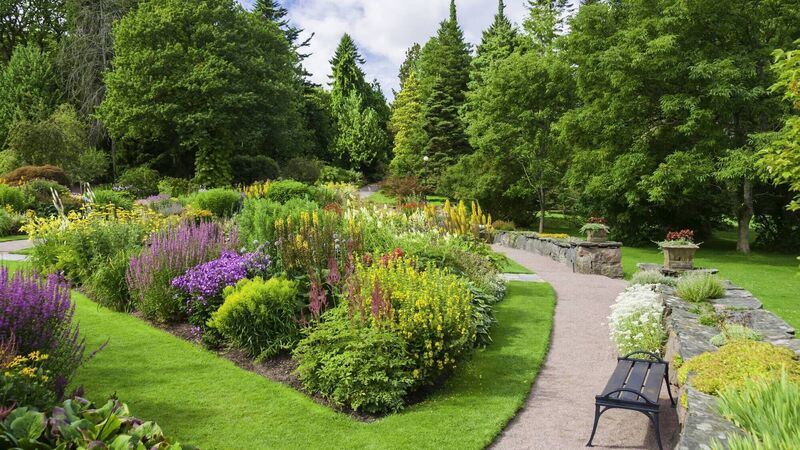
If you fancy a change of style in your garden, October is an ideal month to get work done, says Peter Dowdall. Picture: iStock

October is a fabulous month in the garden for several reasons. We get to enjoy the autumn colour as it comes into its own and we still get some pet days with beautiful, though not always warm, autumnal sunshine, allowing us time to get out and about, tend to the plot and enjoy those hardy summer blooms which are hanging on tenuously — and the autumn blooms of Japanese anemones and nerines which are far from over.

It’s a great time to look at beginning a new or rejigging an old, established garden, for the soil is still warm.

Growth above ground has slowed or stopped and thus, anything planted now will put its energy into root production allowing them to get well established before growth begins in earnest, next spring.

In an established garden, much of the colour and frivolity of summer displays has passed and so our eye isn’t distracted by such delights and we can begin to focus more on the shape and layout of the space.

It affords us an opportunity to see what “works” and doesn’t work in the garden and as the summer is a very recent memory we can still, hopefully, remember where particular bulbs and herbaceous specimens are, so we can recall what needs to be moved or protected.

Gardens, in the same way as interiors, are subject to trends, fashions and fads. As you may have grown tired of your kitchen or the furniture in your living room, so too, you may want to give your garden a makeover.

Equally, you may not and that’s also absolutely fine, for as the self-same kitchen and couches may be showing the signs of wear and tear, the garden will more likely have matured and improved.

A garden design can be broken down into two areas — hard landscaping and soft landscaping. Hard refers to all the, as you may expect, hard elements of a garden such as patios, walls, paths, kerbs and planters, whilst soft landscaping refers to plants and the planting elements such as soil.

Deal with the hard landscaping first, for several reasons — these are going to be permanent, costly and will most likely require some upheaval in their construction. The last thing you will want to do is to spend time and money creating beautiful, planted displays to have the workmen come and trample all over them as they tackle the stonework.

Remember, a patio should ideally be located somewhere convenient to the home but also getting as much sunlight as possible.

Often, these may not be the same area. In other words, the area which may seem most convenient is not the area that gets the most sunlight.

For me, a bright position trumps convenience and that sunlight needs to be at the right time of the day. An area flooded in early morning sunshine might make an ideal outdoor breakfast room but realistically, how often will you use it? Better to be sitting and dining al fresco in the last of the evening sunshine.

Continuity is very important in design, and thus the materials used in your patio should be reflected in other paths, walls and steps. Outdoor ceramic tiles are very much on-trend at the moment in gardens, allowing you to continue the floor surface from the inside out.

It’s not just that the material is the same but so too is the flow, as the same size tiles can be used, enabling uninterrupted pointing lines. With a large opening door and no drop in level, the transition between inside and outside can be seamless, except for the
20-degree drop in temperature of course.

Now, I can’t be more of the opinion that each garden should be individual and reflect the owner; however I do think that if you are creating such a streamlined garden that is acting more as an extension of the interior, then the style of garden planting should reflect this and also be quite simple and contemporary.

Don’t forget the greater landscape when designing your own garden. Depending on where you are living, you may want to obscure what lies beyond or, if in a rural situation you may want to completely embrace it and use it as an extension of your own space.

Perhaps you need a mixture of both and you may want to obscure certain features and this is where strategically placed trees or large shrubs will help, or you want to obscure most of the surrounding landscape and just leave little “windows” open to a particularly attractive feature such as a church steeple or glimpse of the ocean.

Whatever your style, October is the month to get the creative juices flowing and the shovel at the ready.

• Got a gardening question for Peter Dowdall? Email gardenquestions@examiner.ie

More in this section

Revoiced

Newsletter

Sign up to the best reads of the week from irishexaminer.com selected just for you.

Cookie Policy Privacy Policy Brand Safety FAQ Help Contact Us Terms and Conditions

© Examiner Echo Group Limited