Richard Collins: Romania tightens hunting rules after largest bear shot
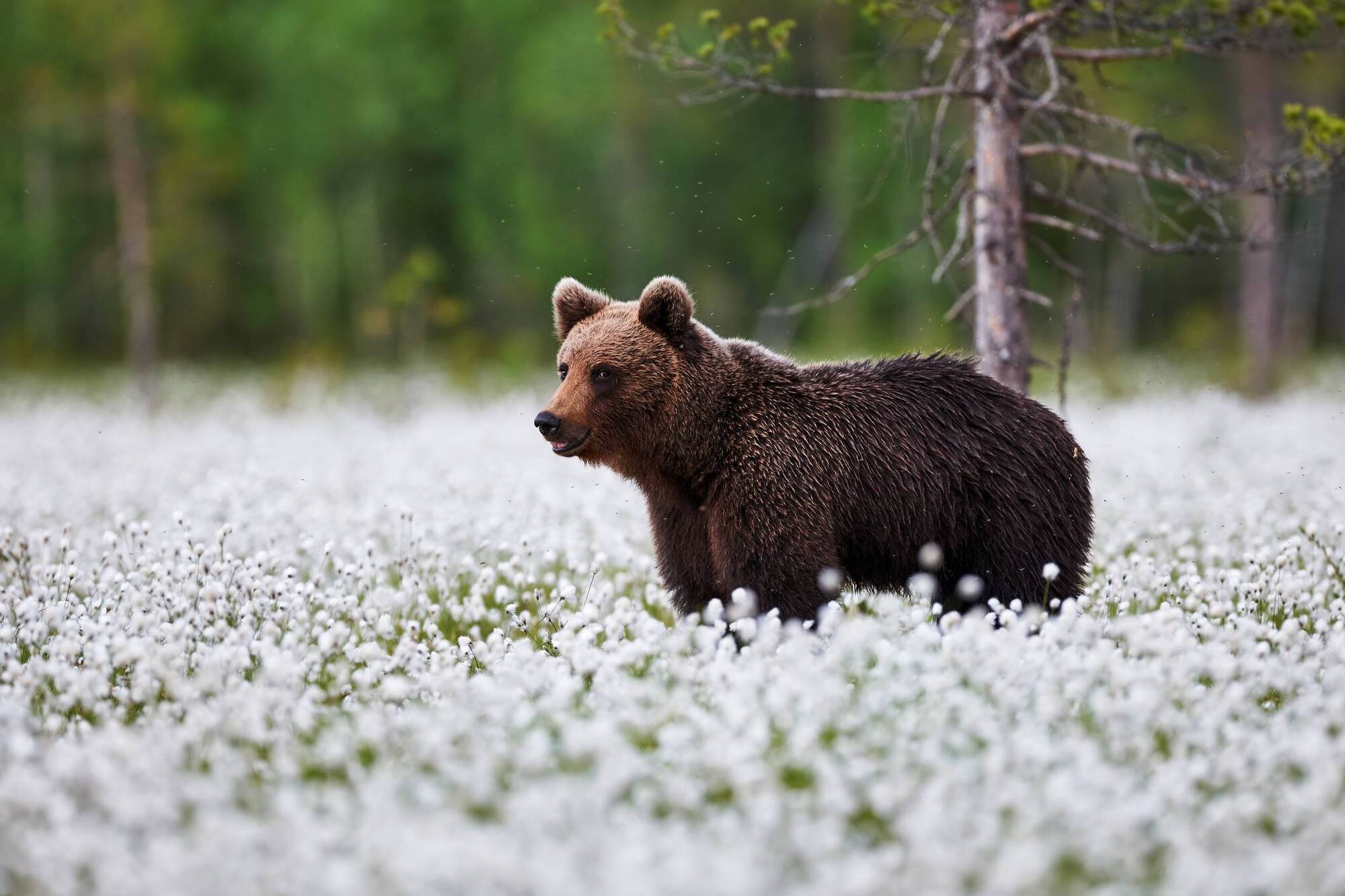
A 17-year-old brown bear in Romania has been shot and killed.
A headline on May 7 ran, 'Liechtenstein prince accused of shooting Europe's largest bear.' The brown bear, 'Arthur', lived in Transylvania's Ojdula region. He should have been safe from hunters and vandals, in a protected area of the Carpathians, but he wasn't. The killing occurred in March, but the press got hold of the story only this month.
Brown bears are protected under European law, although trophy-hunters were allowed to shoot bears in Romania prior to 2016, when it became illegal. Rarely, a rogue individual bear attacks livestock or threatens people. In such cases, a permit to kill is issued. Arthur, the 17-year-old giant, was of a retiring disposition. He never caused trouble. When a female bear began presenting problems near Ojdula village, the Romanian authorities decided that she should be killed. Prince Emanuel, 32, who is 16th in line to the Liechtenstein throne and who lives in Austria, was granted a licence to shoot the offending female. However, it was not the problem animal that was shot, but Arthur.

Was Arthur Europe's biggest bear, as the headline suggested? According to reports, his corpse scored 593 points out of 600, the maximum possible under the trophy-hunter classification system. With over 5,000 bears in the Carpathians, and even larger numbers in Russia, it seems unlikely that Arthur was the biggest European specimen.
Brown bear weights vary enormously between populations. Males in Spain's Cantabrian Mountains weigh 115kg on average. North American ones, known as 'grizzlies', average 180kg to 360kg. The Kodiac bears of Alaska are heavier still. They can reach 600kg, rivalling polar bears for size. Members of the Eastern European population, to which Arthur belonged, tip the scales at 480kg occasionally. There were brown bears in Ireland until about 2,500 years ago, but we don’t know how big they were.
Trophy hunters target the biggest specimens, seeking the largest heads to mount on their walls. Such killing acts as a form of artificial selection; the genes promoting large size being gradually eliminated. Nor are trophy-hunters the only culprits; to meet the demands of the Chinese medicine trade, bears are killed for their body parts.
Males of other quarry species have also become smaller over time. Tuskless elephant forms may even be emerging. Duke University researchers compared the tusk sizes of Kenyan elephants killed in the late 1960s, before the ivory poaching scourge got underway, with those killed between 2005 and 2013. They found a 21% reduction in male tusk size and 27% in female ones.
Red deer stags depicted in ancient cave drawings had especially impressive antlers. Hunting pressure in Stone Age times was, presumably, minimal. Following prolonged selective targeting of large stags, Edwin Lanseer Monarch of the Glen specimens are a rare sight nowadays. The killing of a 19-point stag by poachers in Exmoor, in 2011, even made headlines internationally.
Romania's environment minister said that determining whether the bear killed was the one covered by the derogation was "extremely complicated". The prince was an experienced hunter, but the female would have been much smaller than Arthur. The prince's office said that this is a "private and personal matter". The Romanian authorities are said to be investigating.

CONNECT WITH US TODAY



Be the first to know the latest news and updates