Donal Hickey: We must clean up our act when it comes to bathing water
With a busy season ahead for popular Irish beaches, more needs to be done to protect the quality of our bathing waters
Donal Hickey: We must clean up our act when it comes to bathing water

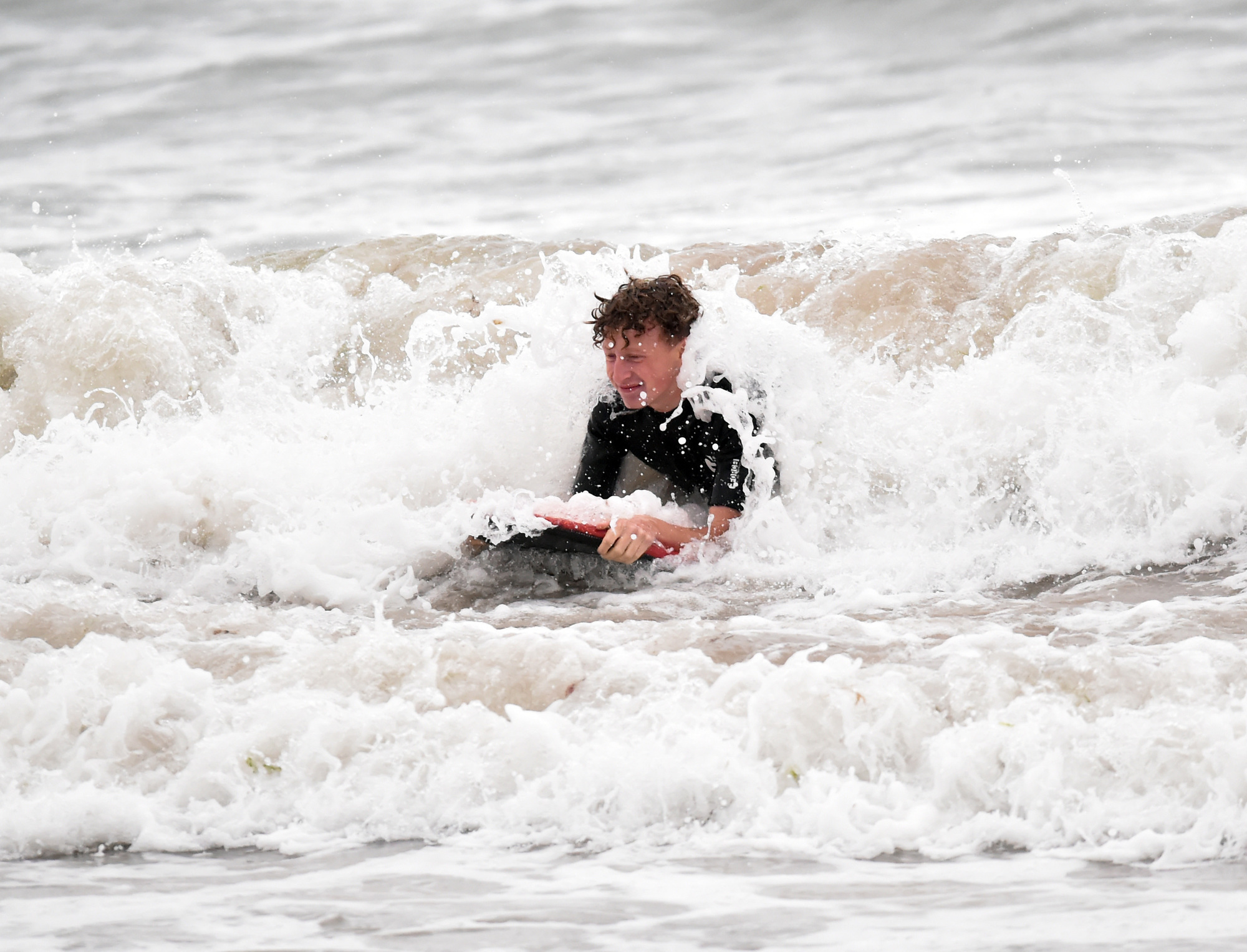
Bodyboarding at Claycastle beach in Youghal. File Picture: Eddie O'Hare

Expect our beaches to be more crowded than ever this summer as Irish people will be holidaying at home.

But how clean and safe are the waters at these much-loved golden sands which dot the coastline? The EPA’s 2020 Bathing Water annual report has noted a slight improvement in bathing-water quality relative to 2019, with 75% having excellent quality.

In 2019, the EPA identified raw sewage being discharged from 36 towns and villages, mostly to coastal waters, including beach locations. Half of the raw sewage was coming from three areas: Arklow, Co Wicklow; Cobh, Co Cork, and Kilmore Quay, Co Wexford.

Many beaches have streams, or rivers, flowing onto them that can affect coastal water quality. After heavy rainfall, surface water washes into our streams, rivers, and lakes from both urban and rural areas, with increased run-off of agricultural manures from fields as well as sewage from septic tanks.

Donal Hickey: 'Many beaches have streams, or rivers, flowing onto them that can affect coastal water quality.'

Wastewater treatment plants in Ireland typically have a combined sewer system where excess surface water, along with sewage, is pumped into the plants that may not be able to manage the increased volumes.

This leads to wastewater bypassing the treatment process and flowing into local watercourses. Tides and wind influence the direction of pollution travel, while sunshine can help to decay bacteria in bathing waters.

The influence of weather and rain was particularly evident in 2012, resulting in some of the poorest water quality nationally since monitoring began in 1992.

So, what needs to be done to protect our bathing waters? The first action is obvious: improve wastewater treatment plants. The Water Forum is calling for priority to be given to upgrading treatment plants in areas where multiple bathing-water incidents have occurred in recent years.

Agricultural run-off is also a significant contributor, according to the forum. Farming regulations need to be enforced and updated to protect water, particularly from slurry-spreading during the bathing season.

With more resources, local authorities could increase farm inspections along catchments that impact bathing water, and farmers should be made aware of the potential effects on local bathing water sites.

The forum also called on homeowners with septic tanks to ensure their systems are serviced and working effectively.

Local authorities should focus septic tank inspections to river catchments that impact vulnerable bathing waters,ā€ it stated.

ā€œAn education and awareness campaign targeted at homeowners, businesses, and farmers would increase understanding of sources of contamination, along with best practices in protecting our water resources.ā€

x

More in this section

Revoiced

Newsletter

Sign up to the best reads of the week from irishexaminer.com selected just for you.

Cookie Policy Privacy Policy Brand Safety FAQ Help Contact Us Terms and Conditions

Ā© Examiner Echo Group Limited