Kubrick's world may come true if we can unlock human hibernation

HAL the computer from 2001 Space Odyssey.
In Stanley Kubrick’s 1968 film, passengers on a spacecraft travelling to Jupiter are in artificial hibernation, controlled by Hal, an all-knowing computer. Hal went mad and killed his charges.
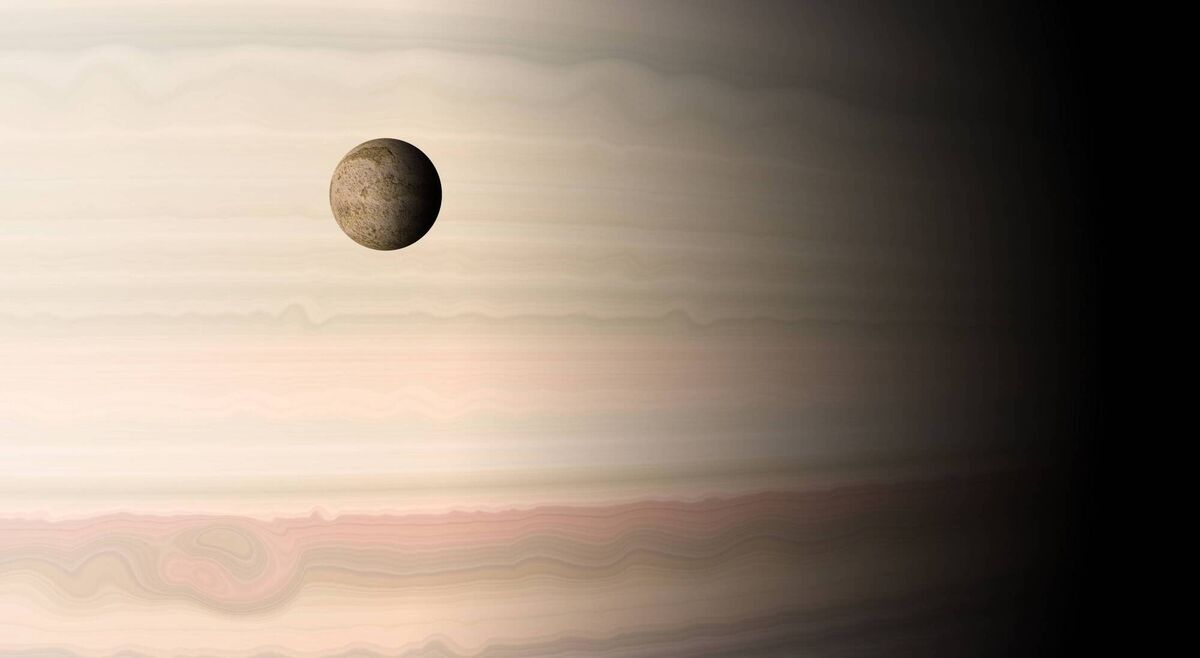
It’s been suggested that Europa, one of Jupiter’s 79 moons, may be close to habitable, but to find out if it is, scientists will have to go there. This would involve a two-year journey each way, during which those on board the spacecraft might be put into hibernation under Hal’s successor.
Humans don’t hibernate, but a hint that we may have a dormant mechanism, enabling us to do so, comes from an unlikely source; the operating theatre. The human body can be cooled to below 20C, with blood circulation disrupted for up to an hour, while heart procedures are carried out.
True hibernation is an option for animals up to hedgehog size. Larger ones would take so long to cool and warm up again that shutting down for the winter isn’t on. In any case, large bodies can carry enough fat to fuel them through long lean periods.
Bears drop their temperatures by up to 10C, but this constitutes ‘dormancy’ rather than true ‘hibernation’, where temperatures can fall to 2C above zero. Badgers also exhibit torpidity.
Opportunities to research hibernation among our closest relatives are almost non-existent, but there’s one possibility. Dwarf lemurs, hedgehog-sized forest-dwelling primates, living in Madagascar, store fat in their tails and display "hibernation bouts that can last a few days or several months", say the authors of a paper just published.
Studying lemurs in the wild isn’t easy; nocturnal creatures, they nest in tree holes. As with zoo-dwelling animals generally, captive ones don’t hibernate; warm environments, artificial lighting and abundant food make dormancy unnecessary.
Marina Blanco and a team at the Duke Lemur Centre in North Carolina, USA, provided dens indoors and recreated the environmental conditions lemurs would experience during winter in Madagascar.
Eight animals, selected for a hibernation experiment, were offered abundant food in late summer, encouraging them to lay on fat just as they would in the wild. Then temperatures were lowered and food offerings reduced, simulating the onset of winter.
Light exposure and duration were curtailed, mimicking the winter day-lengths of Madagascar. The animals remained undisturbed, apart from being weighed from time to time.
The lemurs "displayed daily and multi-day torpor bouts, including bouts lasting 11 days". These depended mainly on environmental temperatures but "food and night length also played a role". Heart rates fell to about eight beats per minute. Dwarf lemurs rarely leave their dens during hibernation in the wild, but the captive ones did so occasionally. Over a four-month period, the lemurs lost between a quarter and a third of their weight. One Duke Centre inmate reached the age of 29, many times greater than would be expected in non-hibernating animals of its size.
Persuading such close relatives of ours to nod off for the winter is a breakthrough, although there’s no need to book flights to Europa just yet. However, new treatments for life-threatening conditions and the effects of ageing may emerge from hibernation research.
Marina Blanco et al. On the modulation and maintenance of hibernation in captive dwarf lemurs. 2021
CONNECT WITH US TODAY



Be the first to know the latest news and updates