How to make cleaning quicker, easier and a whole lot greener
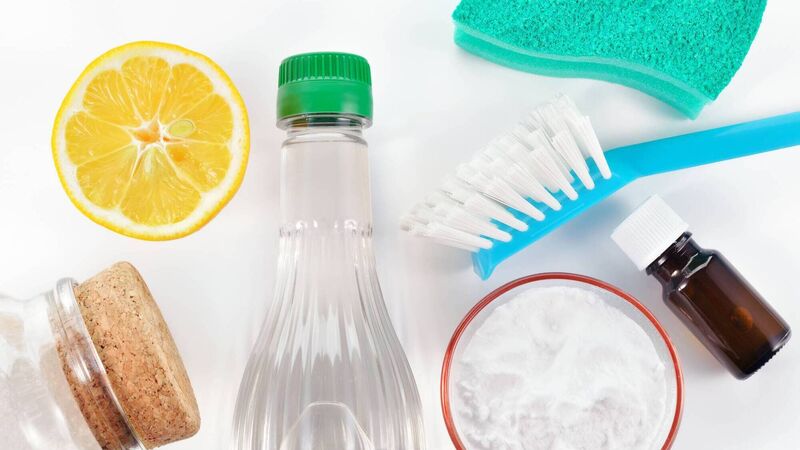
Here are some tried-and-tested housekeeping hacks that were practised before chemical solutions filled our shelves 
How to make cleaning quicker, easier and a whole lot greener

Just a few old favourites is all you need to tackle even heavy duty cleaning jobs. Pictures: iStock

With current life so bruised, unpredictable and constrained, I have to say, I’ve found a new appreciation for the mindless comfort of banal activities around the house, chief among them, cleaning and laundry. 

There’s something meditative about the soft, repeating throb of the washing machine, and wandering around with a podcast in my head, swatting absently with a damp cloth rolled up in the hand.


There are so many ways to make your housekeeping quicker, easier and, to top it all off, a whole lot greener.

Here are just a few of my favourites from the “what granny did” section, practised before the arsenal of modern chemical solutions bowed our shelves.

Keep in mind that the skin on your hands is vulnerable even to apparently benign natural acids and alkaline; wear flock-lined rubber gloves as much as possible.

WINDOWS

Dry windows in one direction. That’s one direction inside and the other outside.

Now, bounding indoors and out, screeching in frustration, you know which side is streaked. Simply the best natural window cleaner to use as a spray? Twp cups of water, quarter cup of vinegar and an ooze of washing up liquid (half a teaspoon, no more).

For filthy windows prewash with soapy water first. For those dratted metal or PVC Venetians get those barbecue grabs and wrap both sides with clean rags or better still, microfibre cloths (sorry, Nana). Hold them in place with rubber bands. Spray them lightly with your window spray. Set the blinds’ edge on, clamp them gently in the tongs and slide along to victory.

You can use a thick sports sock just on your hands for the job; very flexible. Don’t over-wet wooden blinds, and attack a really furry horror with the soft attachment of your vacuum hose before starting.

SHEETS

White sheets are a classic, refreshing canvas for other coloured spreads and quilts. Detergent and fabric softeners can build up on the fibres, dulling your linens.

Try running them in the machine without any detergent (already clean) and just add half a cup of lemon juice to the load.

Another oldie and goodie: A quarter cup of baking powder will boost the bleaching and softening properties of your standard detergent.

If you adore soft buttery sheets, half a cup of vinegar to the final rinse will do what otherwise only years of use can do.

STAINS

To remove staining to pale cotton, mix up some cream of tartar (potassium bitartrate/a natural by-product of winemaking) and lemon juice. Apply it as a paste, and leave for at least one hour before running the piece in the machine.

COUNTERS

This goo is safe for buffing up old metals and even working out scratches on the faces of white plates too. Use those cut lemon halves to sanitise your counters; wipe over and wipe clear with clean water.

TEA LEAVES

Used tea leaves (not bagged) have been used to clean houses for centuries. My favourite hack is for the fireplace. When you have to clean out the ashes, sprinkle over your old damp tea leaves from the pot so they’ll stabilise the dust, making the job a bit cleaner.

FLOORS

Using tea water for mopping floors should only be attempted with dark, hardwood, not laminate. Cold tea, rich in tannic acid will shine your mirrors (use from a spray bottle).

Darker carpets and rugs can be deodorised with used tea leaves; save up those scented herbal teas as they work just as well. Dry them out after use. Sprinkled over the surface and left for a couple of hours, the leaves ingest some of the bacteria causing odour in the pile. Simply vacuum out.

Apart from composting, coffee grounds are fantastic for keeping smells at bay in the fridge. Fill a bowl with your old Joe. place it in the fridge (uncovered) and change every 7-10 days.

Dishes to wash and nothing on hand? Whip up a good tablespoon of bicarbonate of soda, a tablespoon of natural soap (just stick in a liquid soap) in about 500ml of very hot water. Add whatever clean-smelling essential oil is on hand; I love lavender. Cool and use from your empty washing-up bottle.

Washing soda or soda ash has dozens of applications. Note: Highly alkaline washing soda (sodium carbonate) is not caustic soda (sodium hydroxide or lye which is used in soap, but not present in soap after it’s finally produced). Steer clear of caustic soda, it’s not worth the potential damage it can do — not least to your skin and eyes.

Washing soda can be brewed up into a natural laundry detergent that’s free of phenols and sulphates.

CLEANING

Buy some borax and follow any online recipe: borax and vinegar makes an effective loo cleaner left overnight and flushed away. Half a cup of washing soda to about four lites of water creates an everyday cleaning solution for tough jobs like the stovetop. Sprinkle the crystals directly on to stubborn grot, and use it as an abrasive too. Avoid enamels and know your surface before you start bearing down with anything intended to even gently scratch away grease. To gift a little muscle when soaking pans, add a shake of washing soda to your natural dish soap.

Already a subscriber? Sign in

You have reached your article limit.

Subscribe to access all of the Irish Examiner.

Annual €130 €80

Best value

Monthly €12€6 / month

More in this section

Revoiced

Newsletter

Sign up to the best reads of the week from irishexaminer.com selected just for you.

Cookie Policy Privacy Policy Brand Safety FAQ Help Contact Us Terms and Conditions

© Examiner Echo Group Limited