Best time to plant a hedge and species that work with beech
Whether you're a gardening beginner or expert, Irish Examiner columnist Peter Dowdall has the answer to your questions
Best time to plant a hedge and species that work with beech

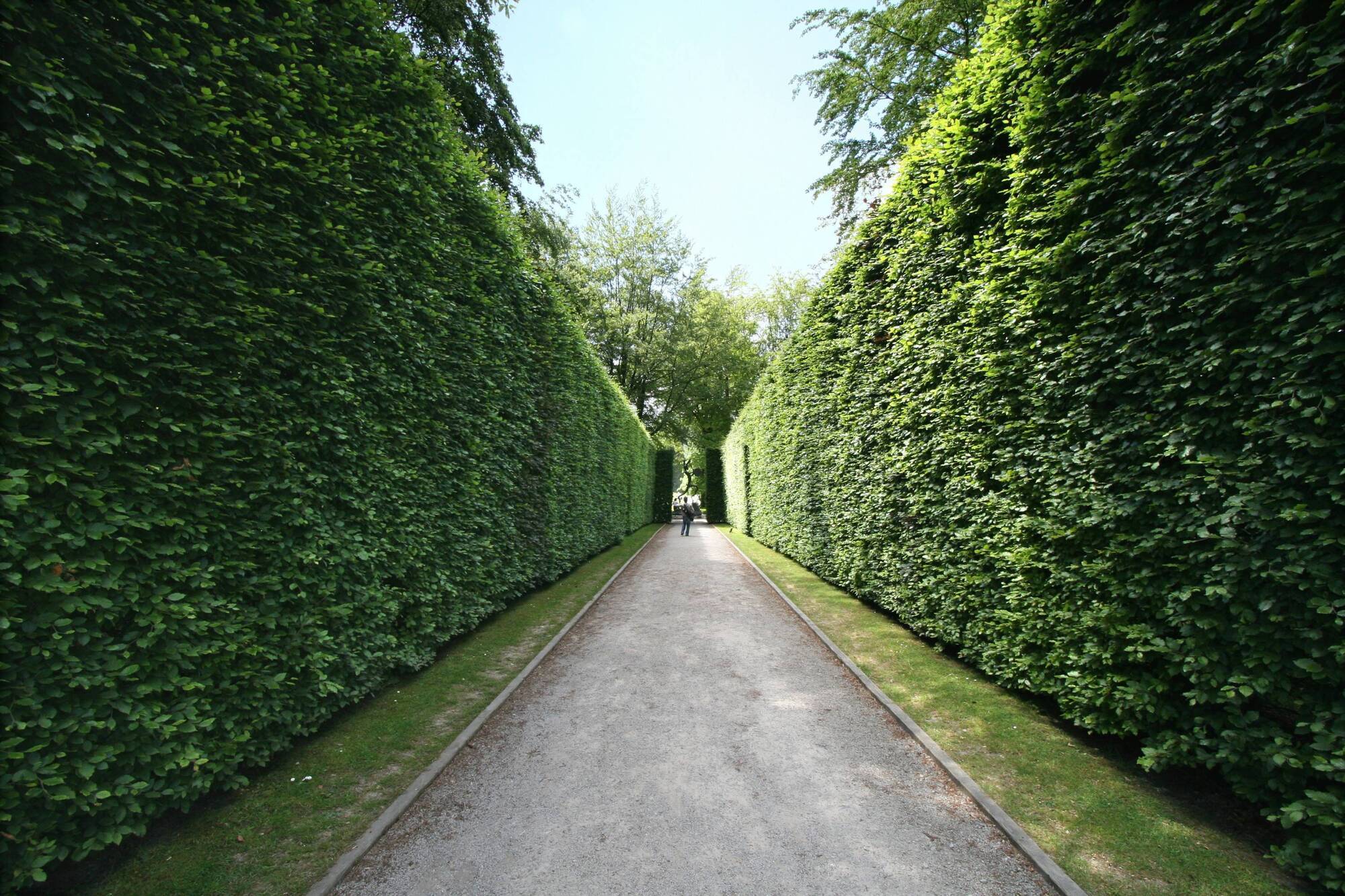
Mixing beech, pictured, with other species can make for a very interesting hedge. Picture: iStock

Back in the last century, most plants were supplied as bare-root specimens — that is, they weren’t grown in pots. They were grown in traditional nurseries in beds in the ground and they were lifted during the dormant season, October–February, for sale. This is where the thinking that you can only plant in a month with an “r” in it came from.

The truth is that you can actually plant during any month of the year but you can only take something out of the ground during these months.

The 1960s and 1970s saw the introduction of the dreaded disposable plastic pots and the onset of modern-day garden centres. The benefit of growing plants in pots is that plants can be grown, planted and sold during any month of the year— and the modern-day consumer would shudder at the thought of soil from bare roots landing on the upholstery of the car boot.

Nowadays, it is really only hedging plants and some trees that are still grown bare root. It is much cheaper to produce plants in this way and as plants for hedges are often needed by the hundred — the saving makes it worth getting the car boot dirty.

If planting a hedge is on your to-do list, then now is the right time to do it. Before you do though, make a checklist to ensure you choose the right species. What eventual height do you want the hedge to get to? This is possibly the most important factor as it is relatively inexpensive to get quick-growing plants such as laurel at one metre in height but bear in mind that they will eventually reach four metres or more if left unchecked with a similar spread.

A slow-growing hedge will require far less maintenance and won’t ever get out of hand if you dare to go away for a week or more but as they are just that, slow-growing, expect to pay more for a one-metre high specimen.

Irish Examiner gardening columnist Peter Dowdall. Picture: John Allen

All you ever really pay for on a nursery is time. It can take less than three years for a laurel to reach one metre whereas something like ornamental box could take twice that length of time to reach 30cm.

Is the garden in an urban, suburban or rural area? Different types of hedge suit different situations. I like a well-maintained single species or mixed hedge in an urban or suburban hedge but in the countryside, I think a mixed hedgerow is nearly essential as single-species hedges are never naturally occurring.

Another important factor to bear in mind is the prevailing environmental conditions. Is the garden very windy or coastal and exposed to salt winds? Is it in an urban area and exposed to high levels of pollution? Perhaps the garden is prone to low temperatures and hard frosts or perhaps it is a very dry and stony site?

Each situation will cross some species off your list so carrying out a bit of research into which hedge will suit your garden will be time well spent.

BEECH HEDGE QUESTION 

I was asked the following question recently: “I planted a beech hedge about four years ago, and while it’s making good progress, I’ve decided it’s not the right choice for me. I’d now prefer to mix it with something that would flower, be suitable for nesting and, overall, more nature-friendly. Any tips for what I could mix it with, and when is a good time to remove some of the beech to make space for new plants?”

I too adore the beech hedge, I love the copper, brown look during the winter and then the fresh new green leaves which will emerge from the seemingly dormant leaf buds over the next couple of months. I also love the idea of mixing beech with one or more other species and one that instantly springs to mind is Ilex aquifolium or common holly.

The dark green, waxy foliage of the holly contrasts beautifully with the brown winter-look of the beech and, of course, the prickly leaves of the holly provide somewhere safe for birds to nest along with providing a food source for some birds with berries during the winter.

It’s important too to plant something with similar growth rates and holly and beech will work together perfectly.

Rosa rugosa will flower during the summer months and provide plenty of food for bees and other pollinators, and Viburnum opulus, the guelder rose, will also provide nectar for the bees earlier in the year and berries later in the autumn/winter.

Finally, and particularly if you want a good choice for a windy garden, include some evergreen, Elaeagnus ebbingei. This will tolerate strong winds and produces sweetly scented flowers towards the end of autumn at an important time for the bees.

Got a gardening question for Peter Dowdall? Email [email]gardenquestions@examiner.ie[/email]

More in this section

Revoiced

Newsletter

Sign up to the best reads of the week from irishexaminer.com selected just for you.

Cookie Policy Privacy Policy Brand Safety FAQ Help Contact Us Terms and Conditions

© Examiner Echo Group Limited