How you can reap rewards of a zero-maintenance garden
Well-chosen flowers and shrubs willrequire little or no maintenance, says
MOST plants, like fine wines or whiskeys, mature and improve with age. Unlike the bottles of grog, they may require a small amount of maintenance to keep them at their best. Saying that, I am firmly of the belief that most plants are low maintenance. Plants, if given the correct requirements and left to their own devices require little and often no maintenance. It’s when we humans get involved that such issues can come to the fore.
Let me put this another way, if I don’t want to block out the light entering the house through a window and I plant some dwarf Japanese azaleas outside said window then, provided the soil type is correct for my plant choice, I have only enhanced my home and garden as their spring display will cheer the soul each year. If, however, I plant a Rhododendron ‘Horizon Monarch’ for example, outside this window, I have now created a maintenance issue. For this cultivar will grow to two metres and more in height with a similar spread so I will be forever cutting it back and instead of enjoying its beautiful blooms during spring and early summer I will be cursing it for blocking so much light. Plant the ‘Horizon Monarch’ somewhere that I am happy for it to reach its eventual height and spread and it will need no attention, just admiration.
In truth, most garden plants work the same way which is why it is so important to choose the correct plants for your garden and why a good plant list is possibly the most essential part of any garden design.
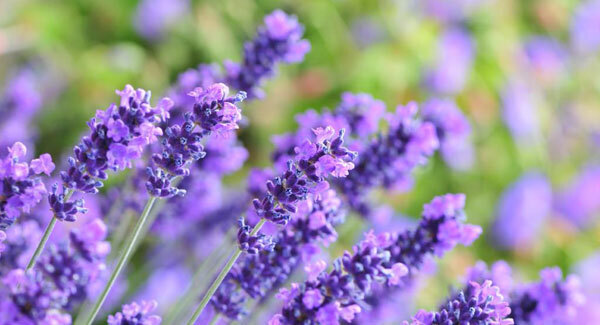
There are though, some plants which, no matter how much TLC you give to them, they still have a life span and unlike the 15-year-old Jameson, they will not mature well. In this, I include Cytisus (Broom), Lavandula (Lavender) and that stalwart of garden plants, Erysimum or Wallflower.
Brooms brighten up the landscape like garden lights in shades of yellow, white and red, depending on the variety at this time of year. Once flowering has stopped, prune them back quite hard to stop them from getting lanky and woody.
Lavenders too need pruning after flowering, however, the issue here is that, unlike the Brooms which have a very definite flowering season, they start in late spring and stop blooming a few weeks later, Lavender continues throughout the summer season and well into autumn. So, when do you cut them back?
Well, my advice is, after the first flush of blooms has finished, follow those flower stems into the foliage and cut back, removing 5cm-10cm of foliage too to maintain a good, dense, bushy plant. You will sacrifice new flower buds but fear not, for new buds will be produced very quickly. Repeat this process at least twice during the growing season.
I give the same advice for wallflowers. These plants literally never stop flowering in this part of the world. Regular pruning is, again essential. Even with that regular maintenance, all of the three plants mentioned will need to be replaced after a few years. If you get five or more years from any of them, I feel you have done well. The good news is, they all take very easily from cuttings. Take cuttings about 10cm-15cm (5cm-10cm for lavender) in length of this year’s growth from May to July. The base of the cutting will need to be at a node which is where leaves meet the stem, remove all bu ttwo or three leaves from the top of the cutting, dip the base node into some rooting hormone, into a pot full of good quality compost and let the magic happen. New roots will be produced in a few short weeks and then when the parent plant does need to be replaced you’ll have the babies to hand.
Because of current restrictions I cannot get from the city to my allotment in Dripsey where I should be setting my maincrop potatoes. When is the latest that I can plant them?
Normally I would advise planting maincrop potatoes anytime from March 17 to the end of April. But obviously current circumstances may not allow for that, this year. There is no definitive “cut-off” date so I would say, plant as early in May as is possible. Provided that the seed potatoes haven’t gone soft and are not showing any signs of decay or rot then you should be fine. You may be harvesting a bit later than normal but you should still be enjoying plates full of beautiful homegrown spuds in the autumn and winter.
CONNECT WITH US TODAY



Be the first to know the latest news and updates