Donal Hickey: Stick to lowland walkways
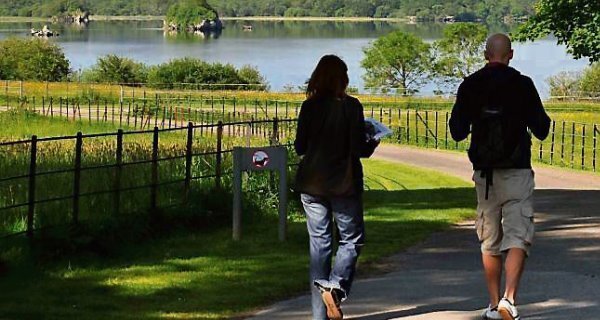
As one of the tens of thousands of people who took full advantage of recent fine weather to walk in the outdoors, it was clear to be seen that the vast majority of people were observing the physical distance advice.
Getting out was a tonic, especially as people feared an imminent closedown of many areas as part of more stringent measures to tackle the Covid-19 emergency.
Now, they are surely delighted with the Government’s decision to allow parks and other public areas to remain open, with the proviso that people obey the restrictions.
Indeed, the people out in parks and hilly areas were doing much better than some of those in other places and examples of the worst behaviour, with people bunching closely together, appeared to be in built-up areas.
On Sunday, many people were walking on the Co Kerry mountain pass known as the old road between Killarney and Kenmare. It was not overcrowded and they were keeping well apart, making the most of spring weather.
This 18th century road is fine for walkers but is too rough for motor traffic and the thought did strike: What would happen if someone out there suddenly needed medical attention? How would an ambulance get in and was there any ground on which a rescue helicopter could land?
Sure enough, a woman walker became ill, five or six kilometres in.
Luckily, it was not a life-or-death situation and she was helped by other walkers before a doctor, who was also out walking, came to her aid.
Eventually, after delays in contacting the emergency services because much of the area in question does not have mobile phone reception, Killarney National Park staff provided a vehicle which brought ambulance personnel to the woman.
Given the large numbers of people out and about, any messages from the mountain rescue, lifeboat and Coast Guard services need to be heeded. By their nature, rescues require close contact between both volunteer rescuers and casualties, exposing everyone to the risk of infection.
For that reason, walkers are asked by the rescue team to forego their enjoyment of the hills for now and to stick to lowland paths and walkways, while strictly observing social distancing advice.
If people are uninjured or lost, they will be asked to consider waiting until morning, or to extricate themselves when better visibility comes, while the ‘walking wounded’ should try to get themselves off the hills.
When people are seriously injured, an absolute minimum number of team members will attend the scene, but the overall time to transport a casualty to medical attention will be much longer.
Helicopter support will only be requested if a time-critical injury is sustained.

CONNECT WITH US TODAY



Be the first to know the latest news and updates