Tuning into the cycles of nature is all part of lunar gardening
discovers what it’s like to tune into the cycles of nature for a spot of lunar gardening.
IF you're a gardener who follows astrology, you may be interested to know your garden could perform better if you plan your gardening schedule according to the path of the moon, through the zodiac each month. So says astrologer Jane Struthers, whose book Moon Power offers an introduction to lunar gardening.
The basic principle is that the moon has a pulling effect on all water. This includes the sap in plants, which rises during the ascending moon and falls towards the roots when it descends.
When the sap rises, it’s a good time to sow seeds; when it descends, it’s time to do work that involves the plant’s root system, such as planting seedlings, thinning them out, and propagating .
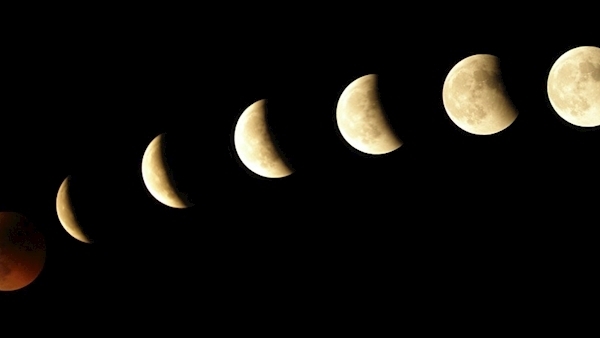
Lunar gardening tracks the 27.3-day sidereal path of the moon, which is its journey around the zodiac in relation to the constellations, not the path which consists of one complete cycle of the moon’s phases.
How do you work out which phase you’re in?
The easiest way for newcomers to lunar gardening is to download an app such as Moon & Garden (iPhone and Android), which gives details of the lunar calendar.
Where do signs of the zodiac come in?
Each sign of the zodiac belongs to a particular element — Air, Earth, Fire, or Water. The theory behind lunar gardening is that as the moon moves through each sign, it transmits the energy of that element to the earth. Whether you’re digging, sowing seeds, weeding, hoeing, or pruning, always do it when the moon is in the appropriate element.
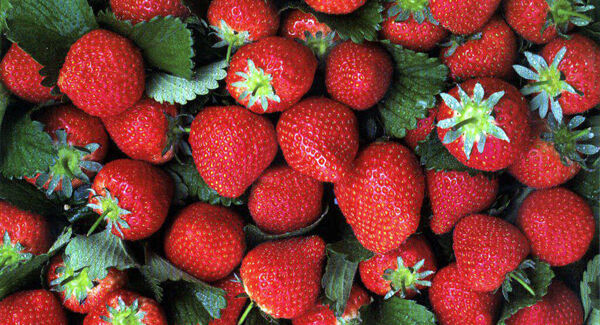
These are plants grown for their fruits or seeds, including soft fruits such as strawberries, stone fruits like apricots, and top fruits such as apples and pears, as well as tomatoes, cucumbers, chillies, peppers, and beans.
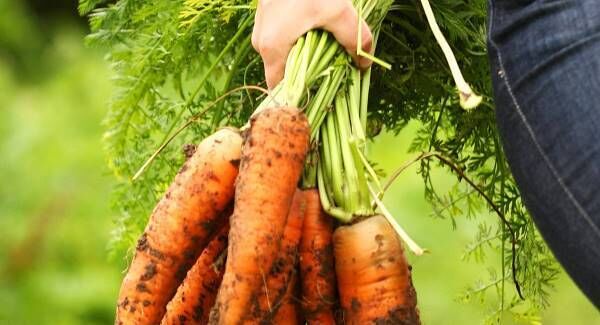
These are grown for their roots and include carrots, parsnips, potatoes, and onions.
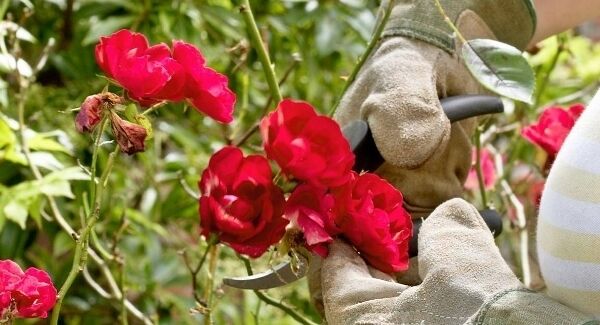
These are plants grown for their flowers, such as geraniums, violets, and roses, as well as flowering bulbs and rhizomes. In the vegetable garden air plants include broccoli and artichokes, because their heads are flower buds.
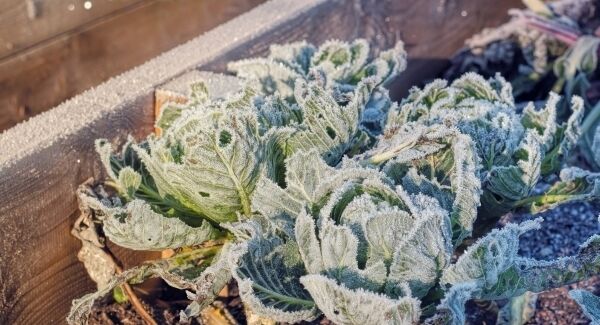
These are all grown for their leaves. Lettuces, cabbages, leeks, and leafy herbs are in this category. The idea is to only work on plants that belong to a particular element, or the soil in which the plants will be grown, when the moon is in that element.
When should I harvest?
Harvest fire element plants on fire days, preferably when the moon is ascending, but not on air days. Harvest root plants on earth days but not on water days. air element plants should be harvested on air days but not on fire days, and water plants are best harvested on fire or air days.
The moon’s influence regulates the amount of moisture in the plants, so storing them at the wrong time can mean they will be either too dry when you eat them, or too wet when you store them.
Are there any times I should avoid gardening?
Don’t do any gardening at least six hours either side of a new or full moon, and at least 12 hours either side of an eclipse, because the moon’s energy is too strong and may adversely affect the plants and the soil.

CONNECT WITH US TODAY



Be the first to know the latest news and updates