Swifts need nest sites
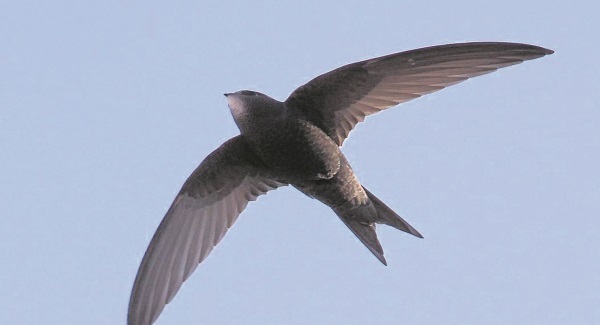
One of our summer visiting birds, the swift, can now be seen flying madly, usually round houses and rooftops.
Often swooping low along the streets, it can rise suddenly and noisily in graceful, aerial displays.
An appeal has gone out to help the bird which has declined in numbers by about 40% in the last decade, mainly due to a loss of nest sites.
When buildings are renovated or torn down, swift nest sites and, sometimes, huge nesting colonies can be lost overnight, says Birdwatch Ireland.
Swifts and swallows are similar. The swift is slightly bigger, brown in colour and has long wings, shaped like the curving blade of a scythe. It flies rapidly and can hit more than 100km per hour.
Swifts, which arrive from southern Africa in late May and stay for about three months, nest in buildings where small gaps allow them into roof space or cavities in masonry.
Nest sites are often in older and sometimes dilapidated buildings and hidden behind facia boards and gutters.
Ideally, work on such buildings should take place between September and May to ensure site protection, urges Birdwatch.
Swifts return generation after generation to the same buildings to nest.
There are many opportunities to create new nesting sites in new buildings by installing nest boxes, or specially-designed nesting bricks.
Using swift boxes is also practical and groups such as IRD Duhallow, in north Cork, have been providing funds to communities for this purpose.
In Newmarket, for instance, boxes have been placed on the eaves of roofs and in other places around the town, including church buildings.
In Killarney, Co Kerry, boxes with special audio effects to attract swifts to nest have been erected, while pupils in Scoil Mhuire NS, Schull, West Cork, are also using boxes and monitoring the swifts.
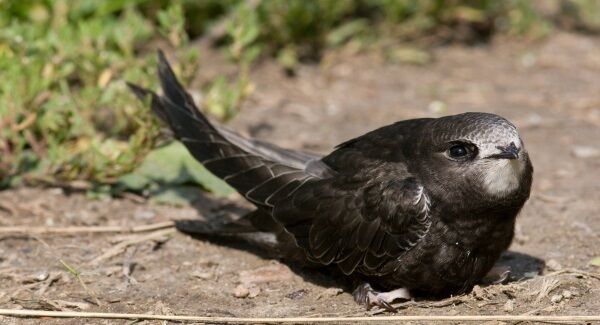
According to experts, swifts only land to breed. When a swift leaves its nest, it will fly for two years without landing.
Most adult swifts spend almost their entire lives in the air. Except for breeding, adults typically eat, drink, sleep and mate while flying.
You’ll hear high-pitched “srrrriii” when they are flying at speed in pairs. They don’t rest on wires as their feet are short and weak.
They use their feet to cling to vertical surfaces and this allow them access areas not reached by other birds.
Swift surveys are being conducted around the country to provide more information that will help the conservation of these fascinating birds, says Ricky Whelan, Birdwatch project officer.
A new booklet to help communities has been launched by Birdwatch and local authority heritage officers.
The Saving Swifts guide is available as a PDF download from Birdwatch and local authority websites, or by emailing swifts@birdwatchireland.ie.

CONNECT WITH US TODAY



Be the first to know the latest news and updates