Danes put in their spoke
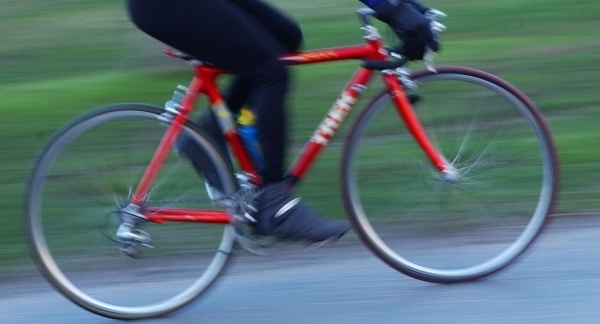
In penning this column over many years, there has been quite a bit of reaction to certain issues raised but nothing to come near the response to last week’s piece on cycling in Copenhagen.
I suggested it might be a good idea for senior civil servants working on the Government’s grand plan for action on climate change to go to the Danish capital to see the city’s bike lane network and learn from it.
However, the Irish Embassy there has since been in contact to say that, on May 10 last, a delegation from here visited Copenhagen to look at cycling infrastructure.
The group included people from the Department of Transport, Transport for Ireland, Road Safety Authority Ireland, Health Service Executive, Sport Institute Ireland and the Department of Health.
They had meetings with the heads of the Bicycle Program at the City of Copenhagen, other executives in charge of cycling services and Gehl Architects, who are experts in urban design to facilitate cyclists and pedestrians.
“A key part of their trip to Copenhagen was to bike from meeting to meeting and learn more about the features that make Copenhagen such a great biking city such as the elevated and separated bike paths, thecycling bridges, safety at junctions and at bus stops,” according to the embassy.
With the upcoming Bus Connects project in Dublin, which will have separated bike paths, and the Liffey Cycle route, the visit to Copenhagen was a key part of their research into looking at best practice in the area.
It was the first time a delegation from so many Irish government bodies visited Copenhagen to look at cycling facilities.
The arrangements were made by the Irish Embassy. By all accounts, everyone was extremely impressed by what a really great cycling city feels like.
In Copenhagen, the emphasis is on putting the cyclist first and they start young. You’ll see children of six or seven out cycling with their parents, having been taught in school how to cycle safely on the streets, the rules of the road and how to use traffic lights.
The Danes have adapted the bike to myriad uses. Cargo bikes are common, for instance.
These are tricycles, with the two front wheels supporting what looks like a large box in which children can be taken to school and the shopping brought home. If you call a local tradesman, he could arrive on a cargo bike containing his tools rather than in a van.
Historically, Danish cyclists have refused to be pushed aside by motorists and, almost a century ago, insisted on a metre-wide margin of road being reserved for the bike only.
However, the truly serious development of cycle lanes began there in the 1970s and is expanding all the time.
CONNECT WITH US TODAY



Be the first to know the latest news and updates