Tolerance for a rural way of life
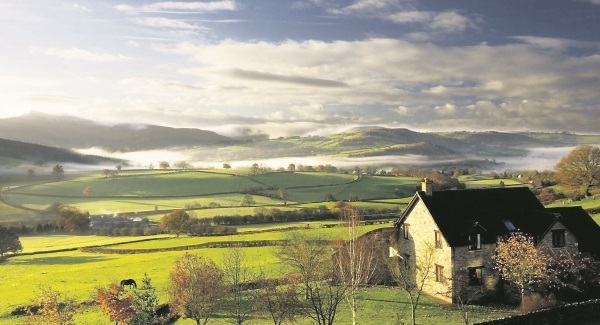
Some people moving from cities and towns to live in the countryside can be blissfully ignorant of the sounds and smells they will inevitably encounter.
Rural Ireland is not always a quiet idyll. Cows moo, often at night-time in winter when they are in sheds; there are constant bird and dog noises; tractors can be going at all hours, especially during the silage season. Worst of all, perhaps, is the pervasive stink of slurry being spread, often at this time of year.
Poets such as John Clare, whose work is so descriptive of rural life, often painted a romantic picture. You think of Clare’s ‘Summer Morning’:
Nothing highlights the urban/rural divide better than rows between farmers and newly-arrived townies to an agricultural parish. Farmers, whose kith and kin may have lived in the same place for generations, are deeply resentful of ‘’blow-ins’’ who object to their long-established practices and way of life.
The mayor of a village in the Gironde, south-west France, recently requested the Ministry of Culture to issue heritage site protection to rural sounds including cocks crowing, church bells ringing, donkeys braying and cows mooing. His action followed several cases of people moving to the country and then complaining about the noise.
Bruno Dionis du Séjour, mayor of the small village of Gajac, wants rural noises added to France’s list of intangible cultural heritage.
“If we get this ranking, it will be a guarantee for a farmer not to find himself in front of the judges because his cows moo too much before being fed or because his donkey brays during the hot season,” he said.
We don’t have a ‘’sounds’’ register here because many people have rural backgrounds and tolerate life’s realities. As someone who has lived much of his life in rural Ireland, might I offer a few tips to people thinking of heading for the green fields:
CONNECT WITH US TODAY



Be the first to know the latest news and updates