Perilous life cycle of salmon
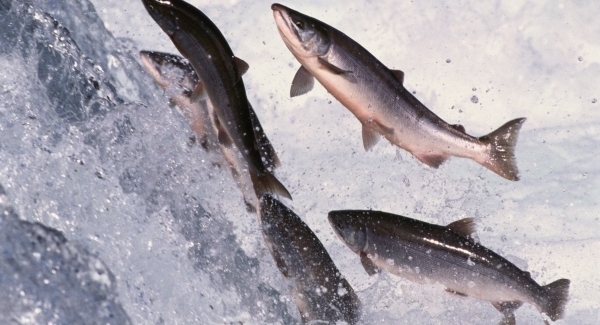
Given all the obstacles the wild salmon has to face, the only wonder is that it is managing to survive at all. While the farmed salmon industry is thriving, the situation facing the wild fish is precarious, experts warn.
It’s a never-ending story — the uphill struggle by campaigners to save a fish that is so much part of Irish life and mythology, and efforts by scientists using modern technology to establish the causes of ongoing decline in stocks.
Salmon Watch Ireland is calling for support for an international petition to ban open net fish farms which, it claims, are causing environmental devastation here and in Iceland, Norway, and Scotland. The organisation is
demanding an immediate ban on new open-net farms and the phasing out of existing ones elsewhere. The petition will later be presented to the Government.
‘
Environmental organisations have been pushing back against the use of open nets for many years and finally governments are realising that action is needed, but they are not moving fast enough
- says Salmon Watch.
According to supporters of the petition, we are now at a critical turning point in Europe where the entire industry could shift away from methods of growing salmon in open nets which, they claim, allow diseases, parasites, and pollution into the environment.
At the same time, young wild salmon leaving rivers on their perilous journey to the sea are being tagged in a bid to learn more precisely the threats to their survival.
A new study in rivers across Europe shows low salmon survival while leaving fresh water is an important factor in declining salmon populations.
While it was already accepted that salmon are affected when they go to sea by climate change, lack of feeding opportunities, and sea lice from fish farms, the low survival rate in rivers is seen as a new development.
Poor survival rates in some rivers could be attributed to changes in temperature and flow, while predators have also been shown to impact on the numbers entering the sea.
The SmolTrack Project aims to determine the survival rates of young salmon as they move from rivers to the sea. Early results show that survival on this journey is lower than expected.
The international project sees scientists from each participating country tag salmon smolts with technology and radio transmitter tags in rivers in their own country and track their migration journey through the lower parts of rivers, estuaries and coastal areas.
This study includes populations in southern Europe which are most vulnerable to climate change. In Ireland, this work is being carried out in the River Erriff, Co Mayo.
CONNECT WITH US TODAY



Be the first to know the latest news and updates